MitoSynthesis
Biological and engineering architecture for cellular energy, membrane potential, redox balance, organelle quality, reserve, stress response, and safe support boundaries.
 AURORA DESIGN SYSTEMSBio-Synthesis · MitoSynthesis · SMSU
MitoSynthesis is a layered architecture for understanding, measuring, supporting, and—only where evidence and authorization permit—augmenting cellular energy and organelle quality. SMSU extends that work into bounded cellular or tissue-interface support, while SVOS addresses body-scale vascular and organ-support needs.

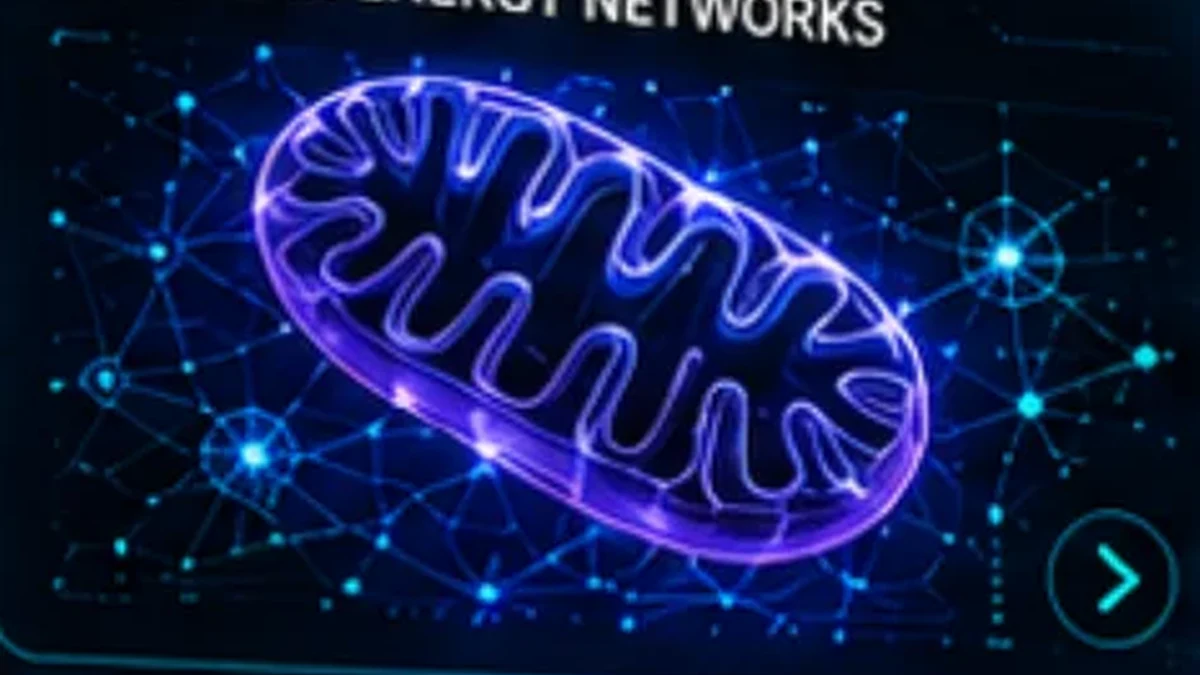
The source architecture treats the system as a layered ecosystem: cellular state first, bounded support second, organ-level distribution third, and qualified fabrication and clinical integration around all three.
Biological and engineering architecture for cellular energy, membrane potential, redox balance, organelle quality, reserve, stress response, and safe support boundaries.
A bounded support platform—not an autonomous nanorobot—designed around local limits, monitoring, staged deployment, defined mission duration, and a declared end-of-life path.
Vascular and organ-support architecture that augments oxygen, nutrients, waste removal, diagnostics, and therapeutic routing without becoming an unbounded replacement circulation.
Scaffold, tissue, vascular, organ-component, verification, and clinical-integration programs that translate research architecture into controlled care pathways.
These are application directions, not capability claims. Each domain requires its own evidence, safety boundaries, patient-specific modeling, verification, and regulatory pathway.
Support concepts for high-duty-cycle cardiac tissue, energy reserve, ischemia recovery, rhythm-aware monitoring, and interfaces to vascular and organ-support systems.
Retinal bioenergetics, continuous metabolic load, low-energy sensing, tissue protection, and future ocular-support architectures that respect the retina's distributed processing role.
Energy-state support, protection and recovery research for high-demand neural tissue, with conservative boundaries around cognition, identity, consent, and control.
Long-life implant support concepts linking local sensing, energy management, biocompatibility, monitoring, and future neuroprosthetic, cardiac, sensory, and organ-assist devices.
Biohybrid scaffolds, tissue organization, vascular interfaces, local support, maturation, and controlled replacement or degradation strategies across regenerative applications.
Research into preserving or restoring organ function while maintaining cancer surveillance, apoptosis, immune signaling, patient autonomy, and biological limits.
Future use spans acute, chronic, surgical, rehabilitation, isolated-environment, and clinical-manufacturing settings.
Time-sensitive support and recovery research focused on preserving function, monitoring biological stress, and maintaining an exit path.
Persistent but bounded support for conditions where cellular energy, organ function, or implants require ongoing assistance and surveillance.
Integration with organ components, perfusion, regenerative materials, implants, and controlled clinical manufacturing.
Restoration-oriented monitoring and support linked to tissue repair, mobility, adaptive care, and measurable functional recovery.
Resilient support and local fabrication concepts for environments with limited evacuation, specialist access, or medical logistics.
Traceable, verified, patient-specific fabrication and support workflows connected to quality systems and long-term follow-up.
The controlling architecture uses explicit evidence classes so a plausible concept is never presented as a validated medical capability.
The source architecture repeatedly treats monitoring, failure behavior, consent, end-of-life, and provenance as part of the product—not paperwork added afterward.
Higher-level supervision may coordinate care, but safe local behavior, output ceilings, staged activation, and defined withdrawal or clearance paths remain essential if networking or prediction fails.
These routes connect cellular-energy architecture to organ support, biofabrication, regenerative medicine, and clinical integration.
Dedicated support-unit page and document queue.
Open SMSU → SVOSBody-scale support architecture and organ-system relationships.
Open SVOS → BioForgeScaffolds, tissue organization, maturation, vascular networking, and verification.
Open BioForge → Clinical IntegrationIntegrated medical environment for diagnosis, treatment, manufacturing, research, and recovery.
Enter Alpha Hospital →