Medical Systems › Adaptive CPAP Mask Systems
Sleep Respiratory Interface
Adaptive CPAP Mask Systems
Low-profile patient-interface concepts for nasal, nasal-pillow, and oral–nasal positive-airway-pressure therapy, with emphasis on side-sleeping comfort, reliable sealing, cleanability, and replaceable patient-contact components.
Reality-GroundedSide-Sleeper FocusPublic Concept SetValidation Required
Program Role
Patient-interface research within the Adaptive Sleep Platform, focused on the practical problems that often determine whether positive-airway-pressure therapy is tolerated and sustained.
- Low-profile geometries for back and side sleepers
- Nasal, nasal-pillow, and oral–nasal interface families
- Washable, replaceable patient-contact components
- Controlled seal pressure, hose-load isolation, and movement accommodation
Architecture Focus
- Reliable pressure sealing without excessive strap compression.
- Soft, biocompatible patient-contact materials and easy weekly cleaning.
- Headgear that minimizes pillow interference and facial pressure points.
- Public concepts remain generalized; detailed proprietary mechanisms stay in controlled engineering documents.
Clinical Boundary
- Concepts are not cleared medical devices and make no superiority claim.
- Final materials, venting, anti-asphyxia features, pressure performance, and cleaning methods require formal verification.
- Pediatric, central-apnea, and complex comorbidity use requires separate clinical evidence and controls.
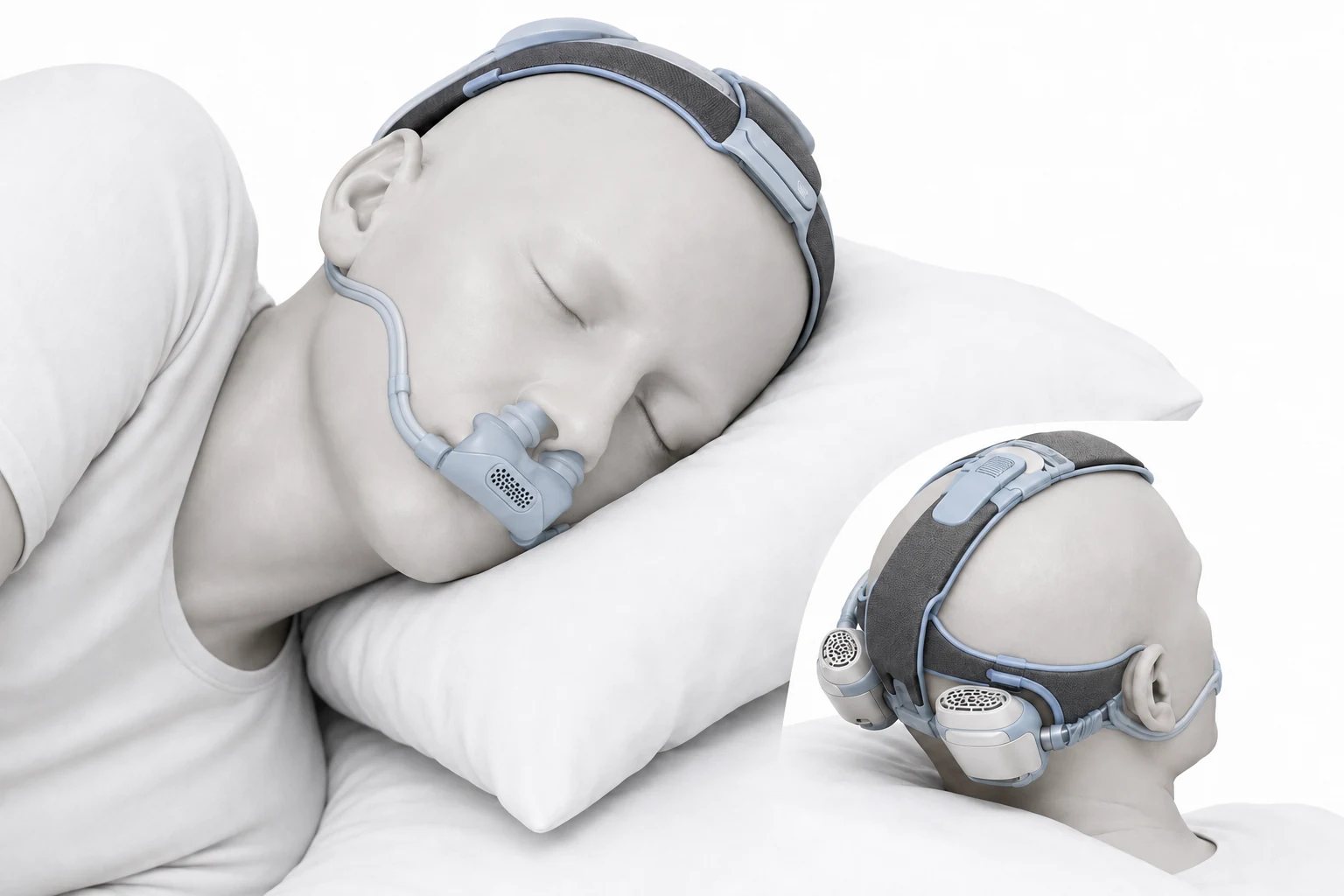
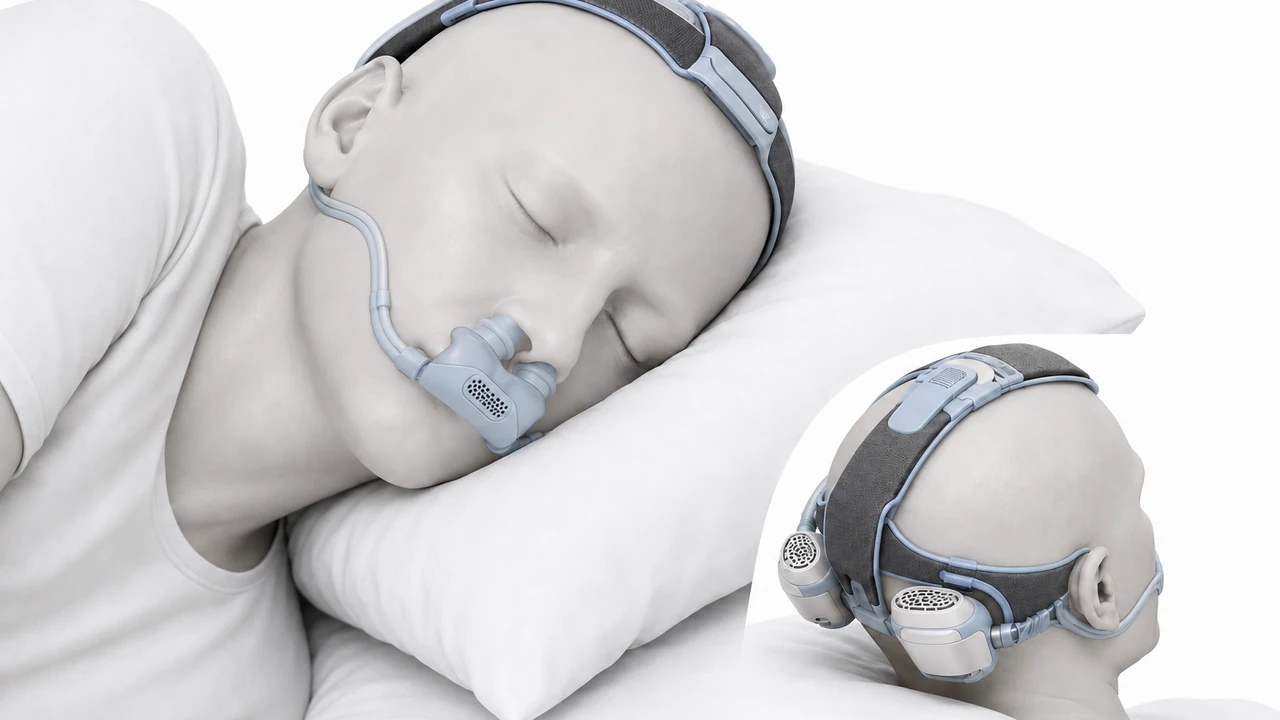
AirFrame Nasal
Minimal facial footprint with nasal sealing and load distributed through the headgear rather than concentrated on the face.
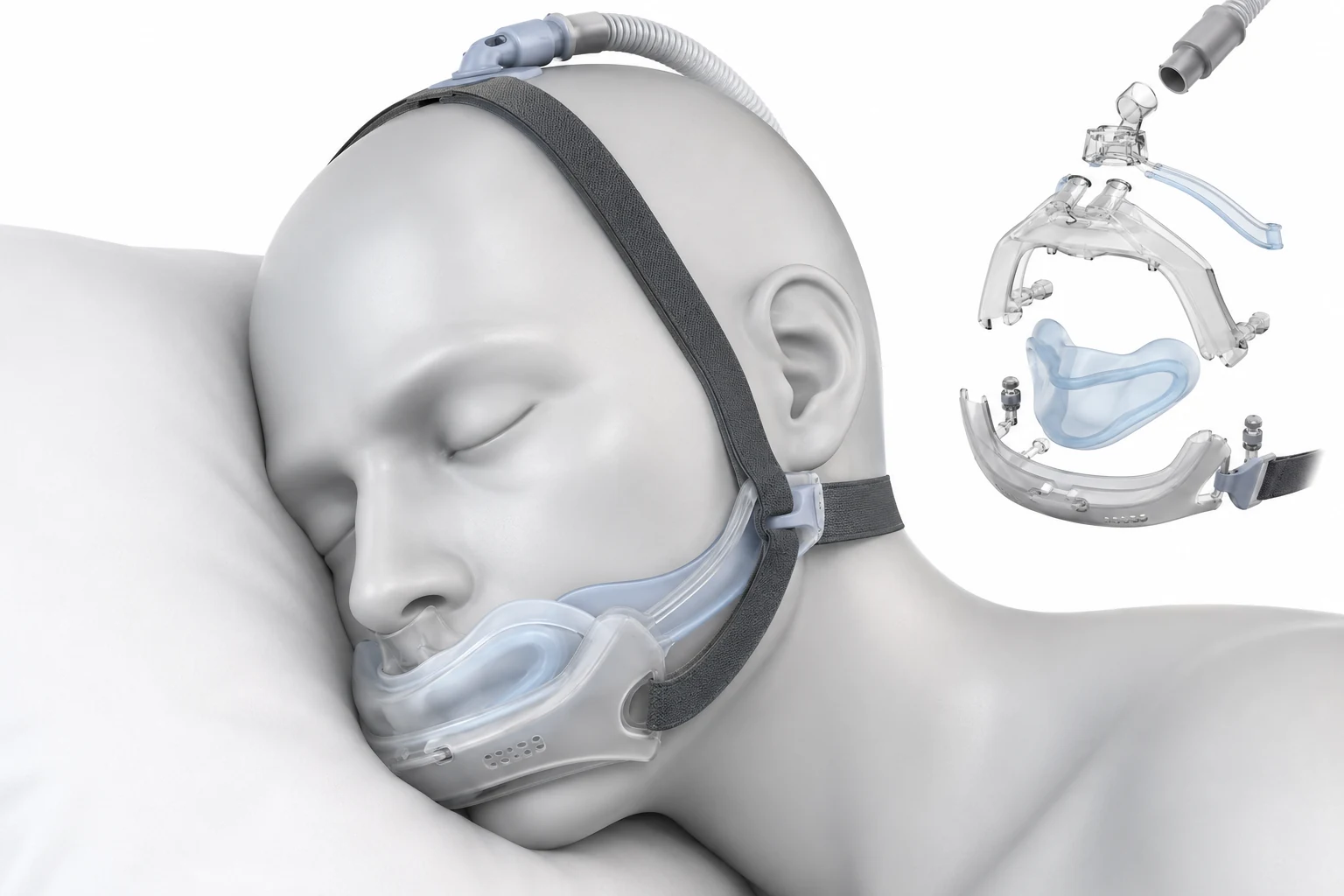
LateralFloat
Side-sleeper-focused geometry intended to reduce pillow leverage, mask displacement, and unwanted seal loading during head movement.
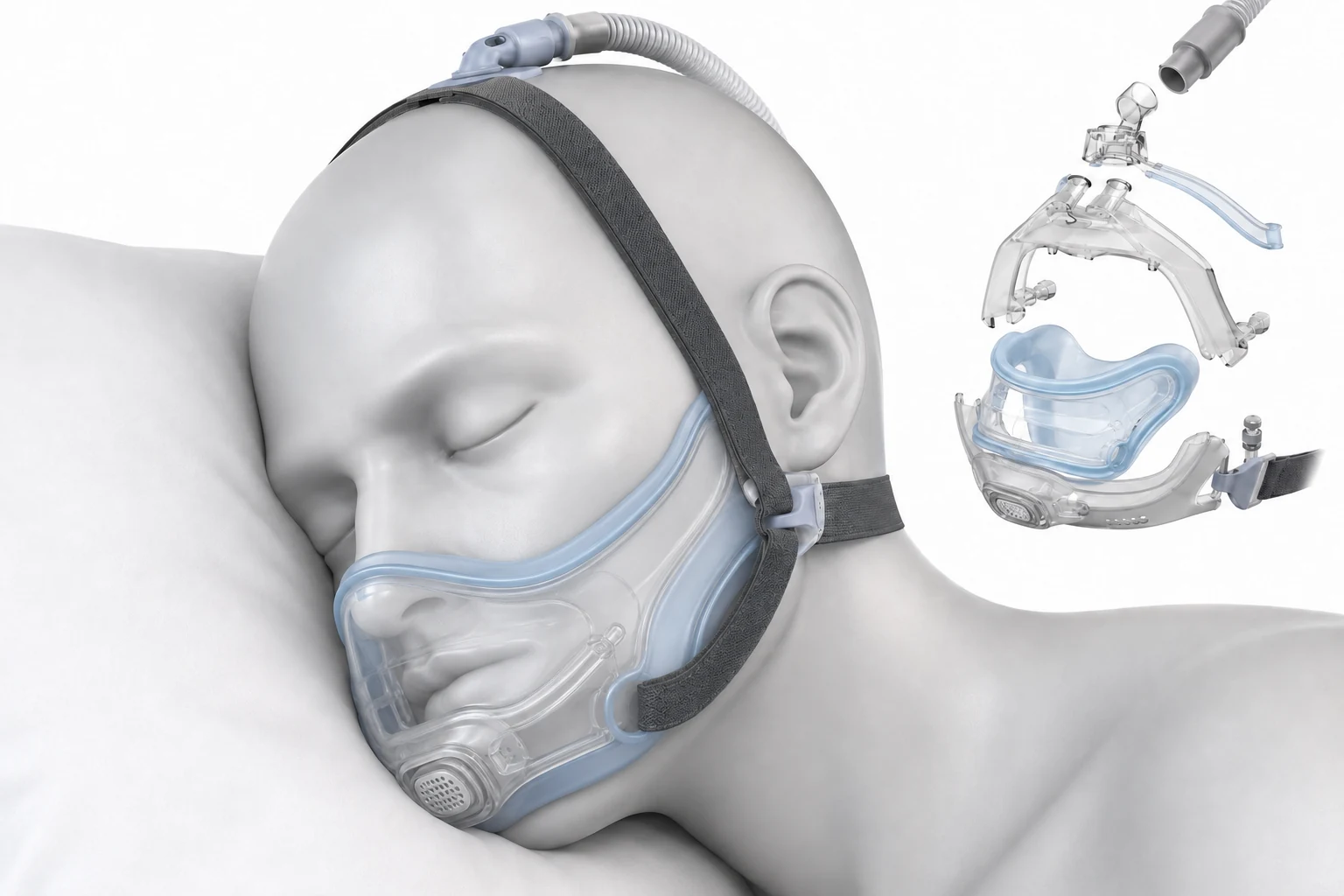
Oral–Nasal Interface
Full breathing-path coverage for patients who require oral–nasal support while retaining a compact, replaceable, cleanable interface architecture.
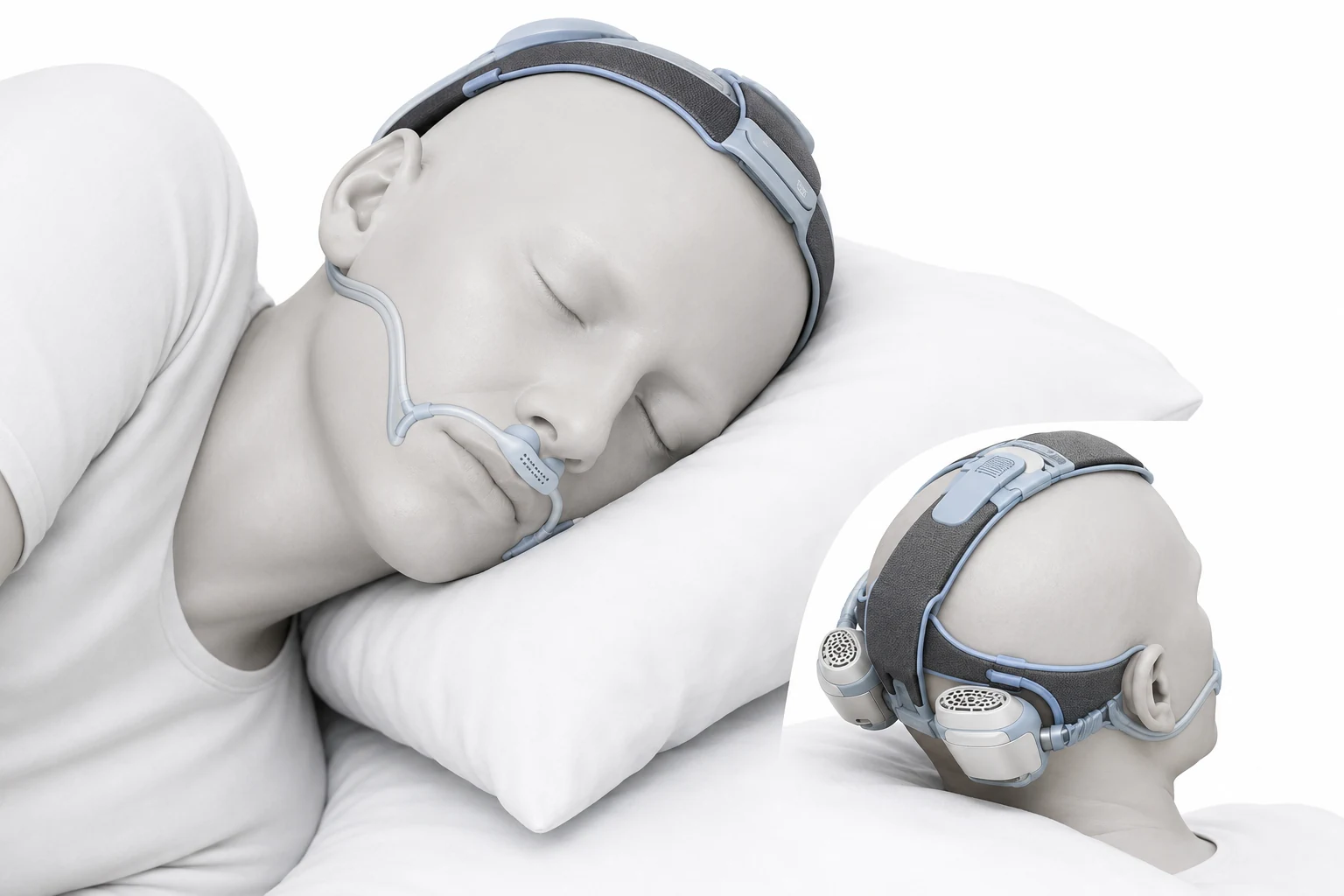
Distributed Support Architecture
Explores routing and support strategies that keep rigid hardware away from pressure-sensitive side-sleeping zones.
Public-Safe Development Direction
The near-term engineering priority is the mask and patient interface—not replacing clinically proven PAP therapy outright. The platform should improve fit, comfort, sealing, cleaning, travel practicality, and adherence while retaining rigorous medical-device safety and validation requirements.