
Physics Research & Systems Theory
Public-safe research architecture for temporal frameworks, quantum sensing, resonance systems, crystalline storage concepts, matter-learning architectures, zero-point boundary studies, and advanced theoretical models.
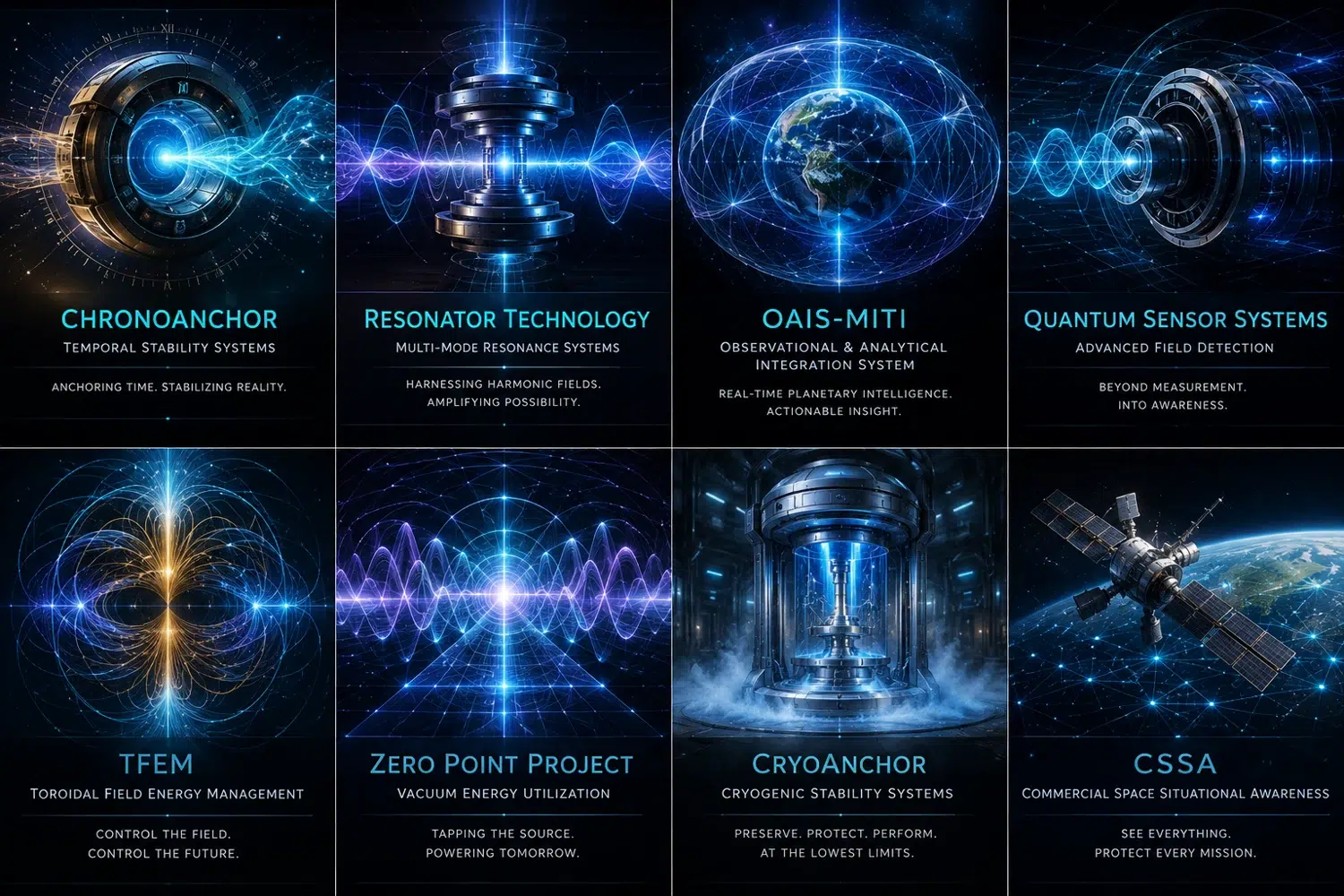
Chrono-Anchor Research Expansion
The Physics Research branch now separates the technical book and white-paper architecture from the fictional Chrono-Anchor universe. The updated hub includes philosophy of time, higher-dimensional physics, experimental validation, black holes, cosmology, and explicit reality classifications.
32 top-level sections
Public compression & white papers
No claim of demonstrated time travel
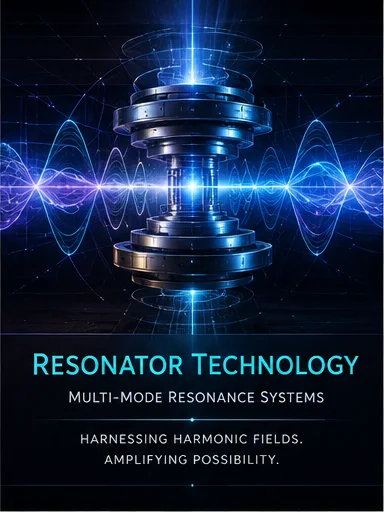
Resonator Technology
Multi-mode resonance systems for harmonic fields, standing-wave control, energy transfer concepts, and applied resonance architecture.
Open Section →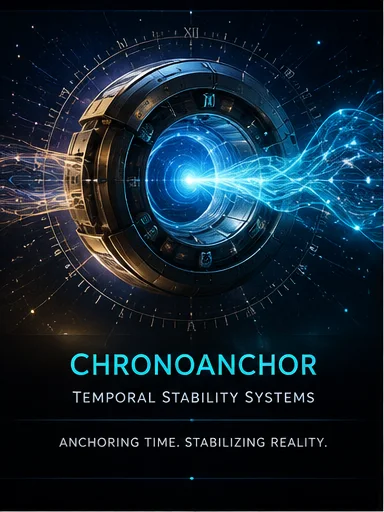
Chrono-Anchor Time Research
A 32-section research framework covering clocks, causality, dimensionality, quantum time, Temporal State Topology, Multi-Layer Temporal Architecture, observables, and speculative engineering.
Open Section →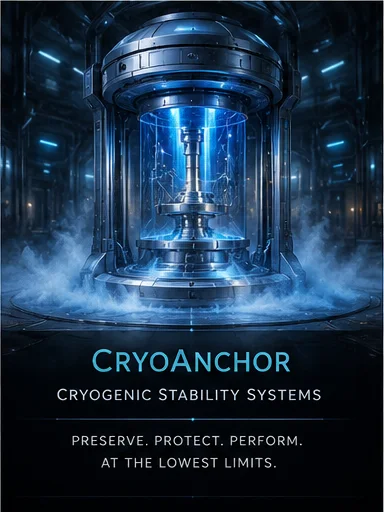
CryoAnchor
Cryogenic stability systems for preserving, protecting, and performing at the lowest thermal limits.
Open Section →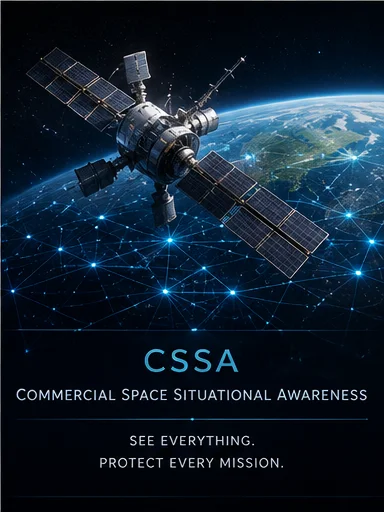
CSSA Crystalline Systems Storage Architecture
Crystalline storage and situational-awareness architecture for seeing mission states, protecting data, and organizing field intelligence.
Open Section →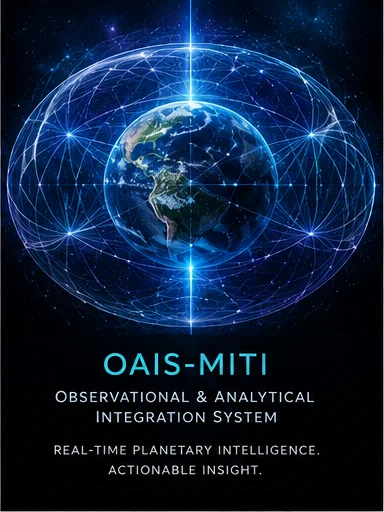
OAIS-MITI
Observational and analytical integration framework for planetary intelligence, environmental pattern recognition, and actionable insight.
Open Section →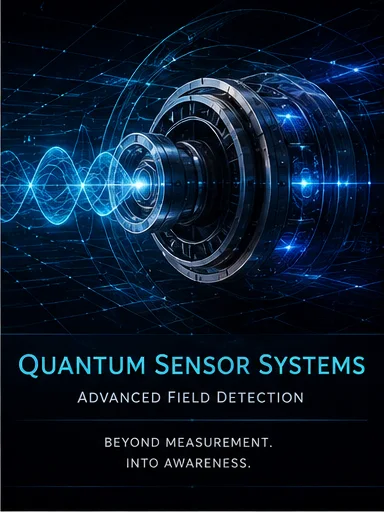
Quantum Sensor Systems
Advanced field-detection framework for precision sensing, quantum-adjacent measurement logic, and awareness beyond conventional instrumentation.
Open Section →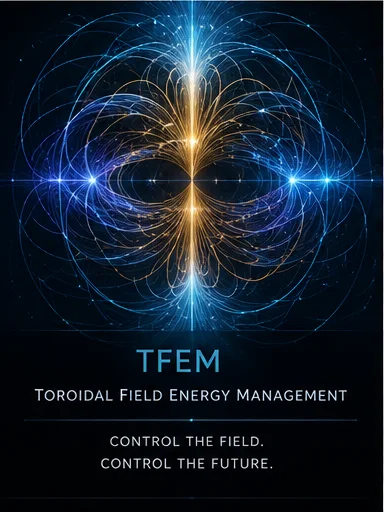
TFEM Topologically Frozen Energy Memory
Toroidal field-energy management concept for stable field states, topology, and future energy-memory frameworks.
Open Section →
Zero Point Project
Vacuum-energy boundary research for field fluctuations, source-state models, and disciplined zero-point concept framing.
Open Section →
NexaLoom
Active matter-learning and controlled-fabrication program spanning technology transfer, CME component families, Resonator integration, simulation, ultrafast control, tunneling sensing, metrology, subatomic electronics, safety, and long-horizon manufacturing.
Open Section →