Mission Profile

Warp Probes are deployed on high-priority missions to:
- Explore distant star systems
- Map gravitational anomalies
- Test warp field stability
- Pioneer probe networks
- Conduct long-duration autonomous surveys
 AURORA DESIGN SYSTEMSEngineering Systems • Applied Research • Product ArchitectureContact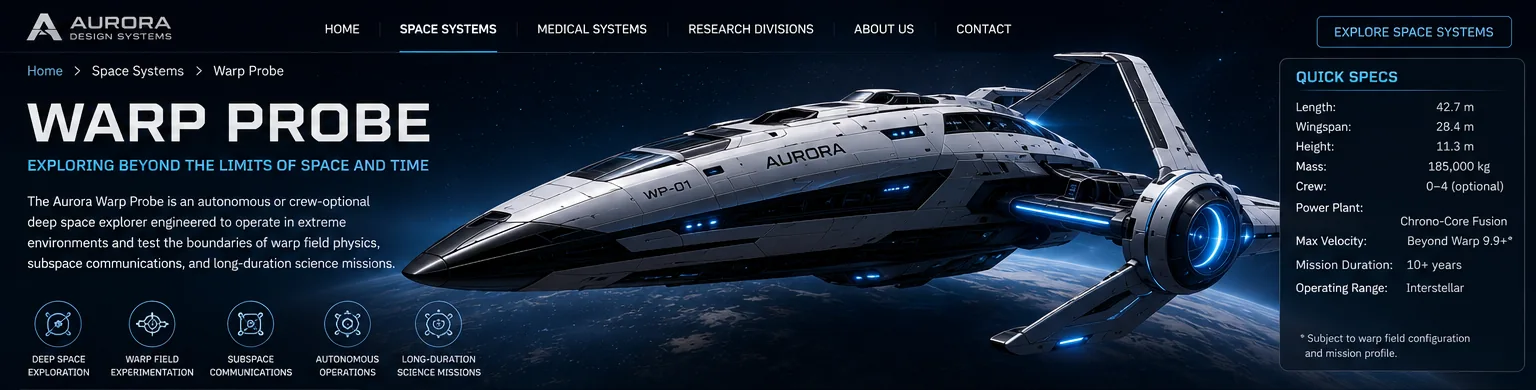
Exploring beyond the limits of space and time. The Aurora Warp Probe is an autonomous or crew-optional deep-space explorer engineered to operate in extreme environments and test the boundaries of warp-field physics, subspace communications, and long-duration science missions.
Warp Probes are deployed on high-priority missions to:
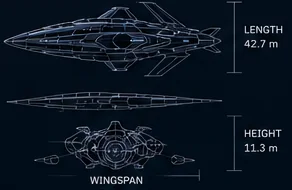
Length 42.7 m • Height 11.3 m • Wingspan 28.4 m
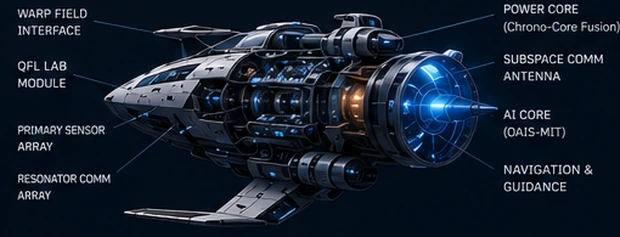

Crew-optional command and science module with immersive mission systems.
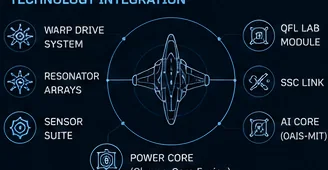
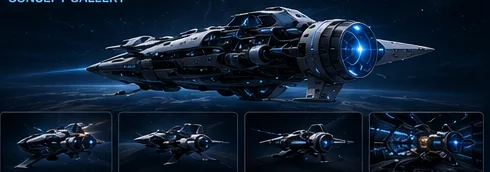
Open the grouped visual index for warp theory, Warp Probe ship development, AWP baseline sheets, alternate concepts, drones, and Icarus X11.
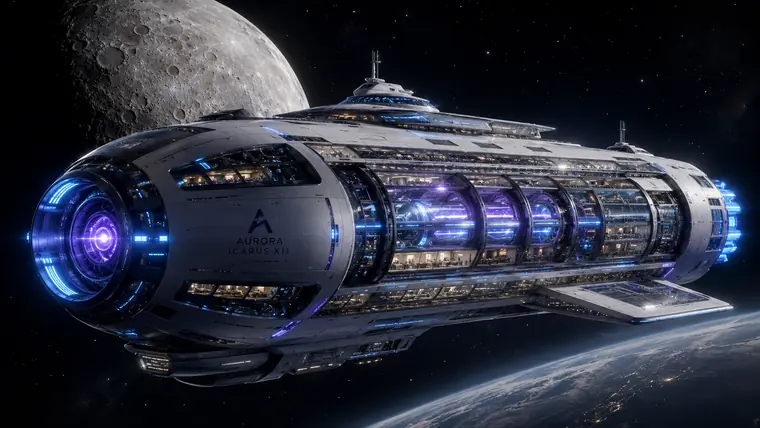
Crew-rated flagship vessel with deep-space profile, lunar landing, and bridge/habitation concept imagery.