
Aurora BioSystems / Synthetic Organ Systems
Replacement pathways organized by physiology.
Eight public daughter pages now lead with the organ itself, followed by the internal target state and supporting SMSU, vascular, fabrication, and clinical architecture.
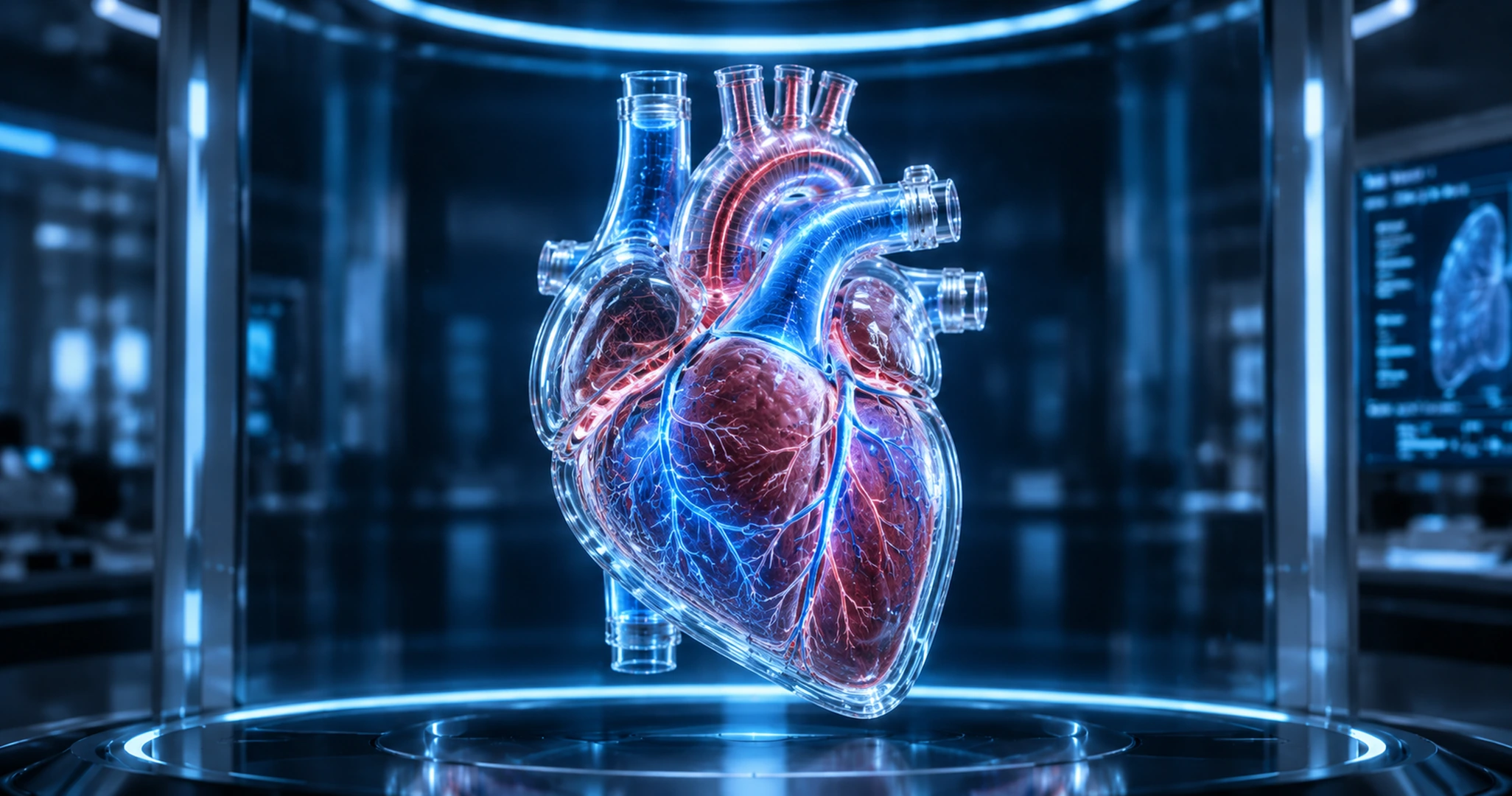
Heart Systems
Synthetic and bioengineered cardiac replacement pathways designed around circulation, durability, and whole-body integration.
Explore system →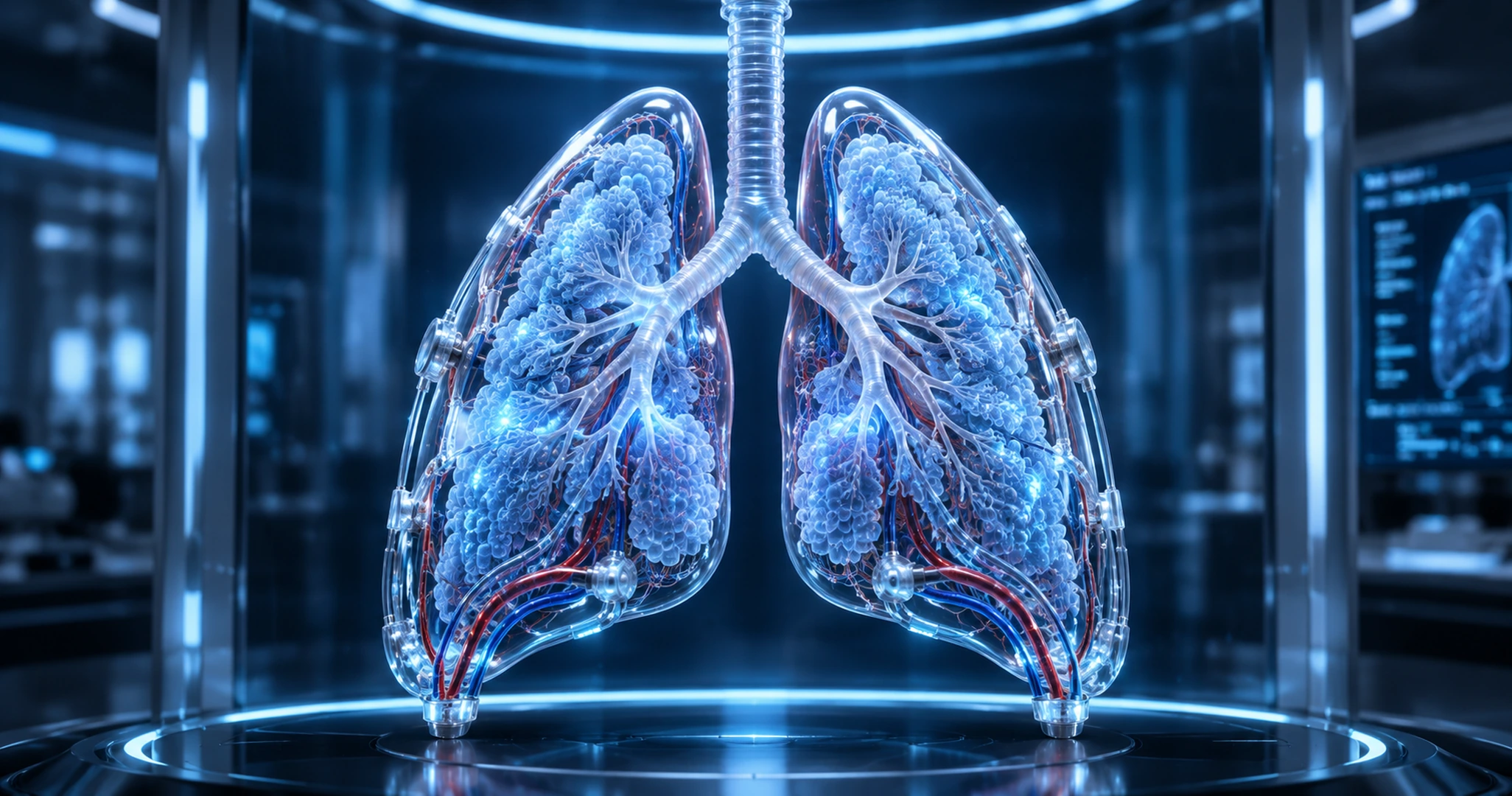
Lung Systems
Advanced pulmonary support and replacement concepts centered on gas exchange, perfusion, and long-term function.
Explore system →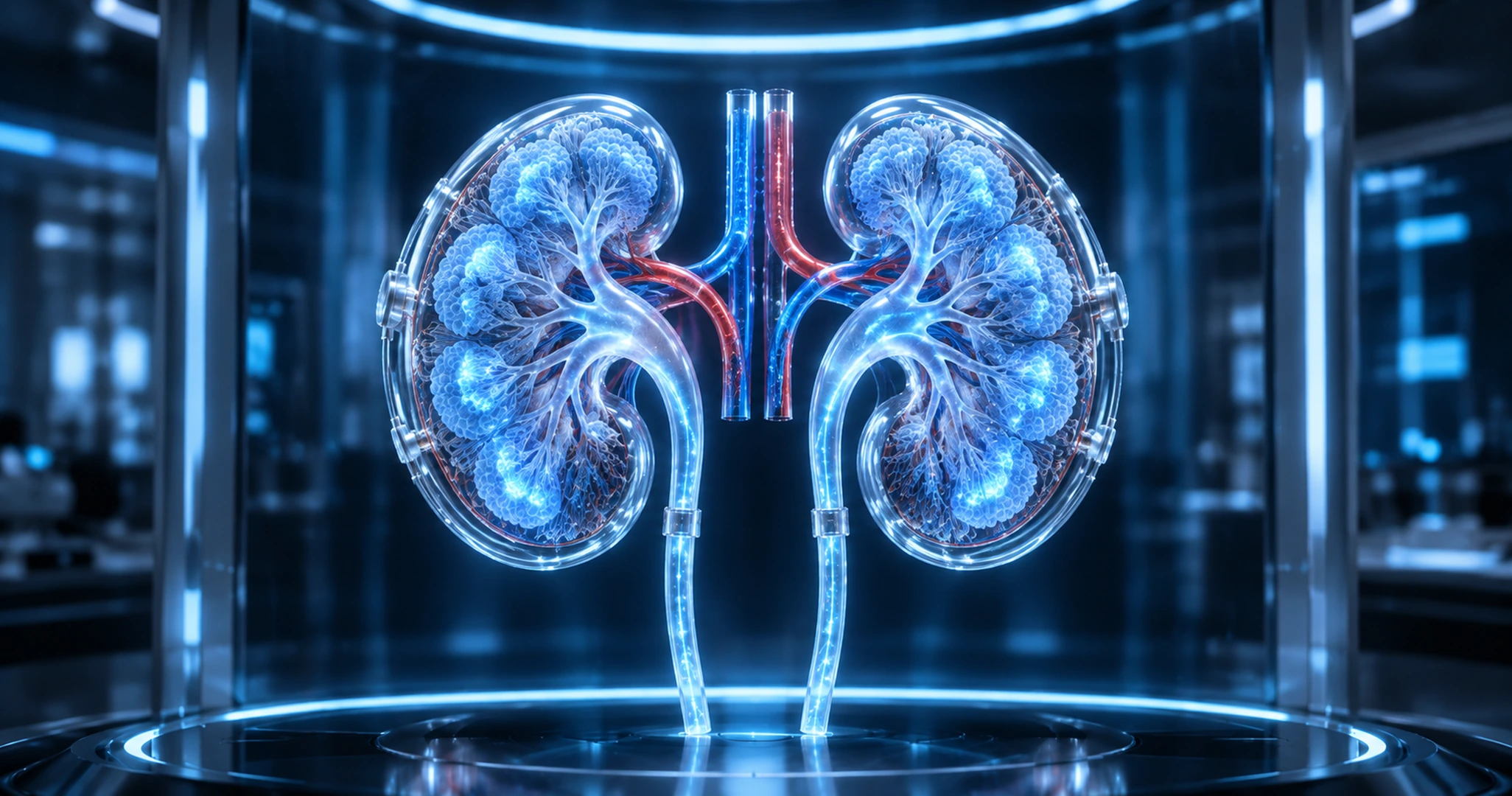
Kidney Systems
Filtration, fluid balance, waste handling, and integrated renal replacement architecture.
Explore system →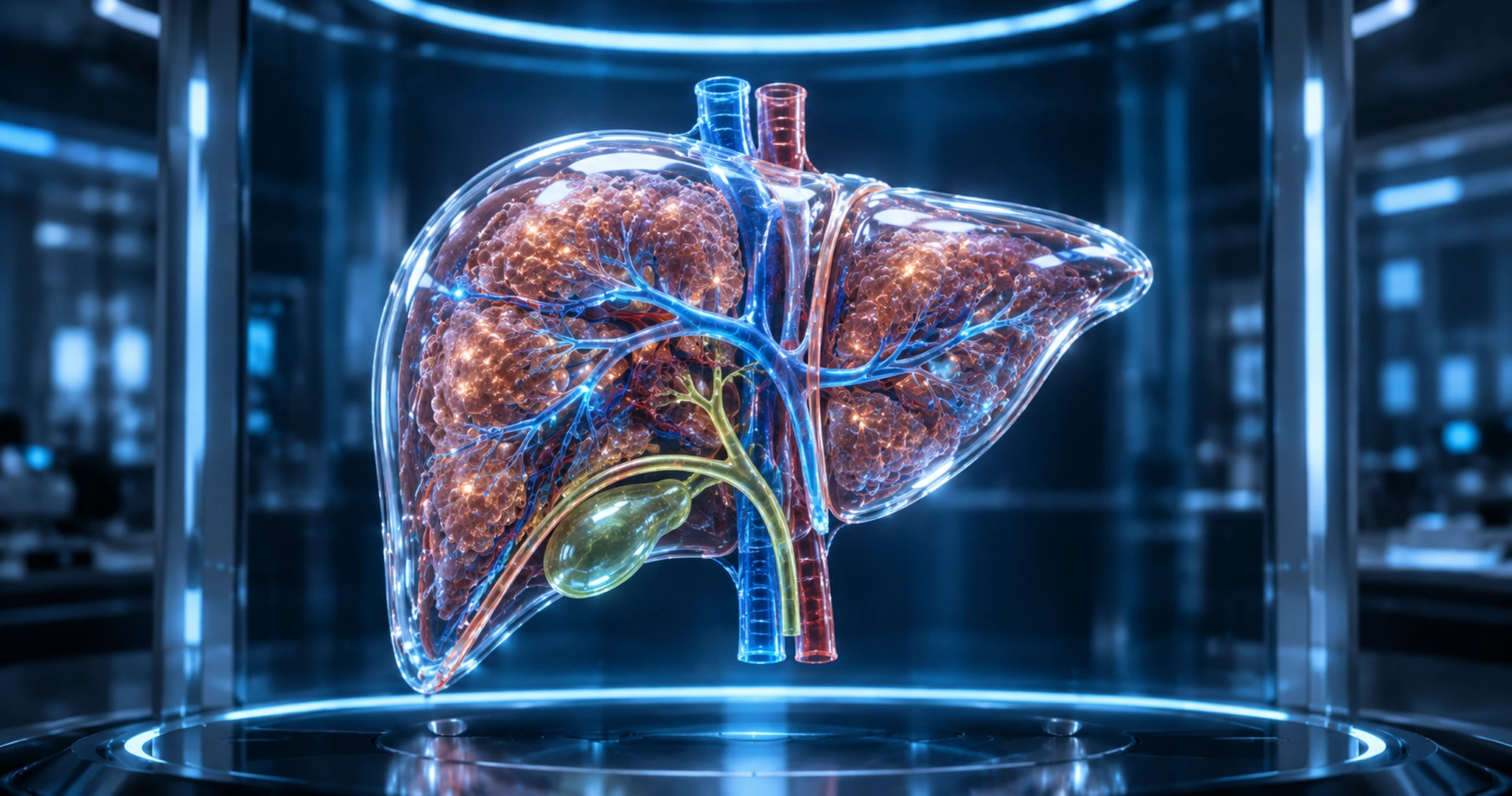
Liver Systems
Detoxification, metabolism, biosynthesis, and regenerative hepatic support.
Explore system →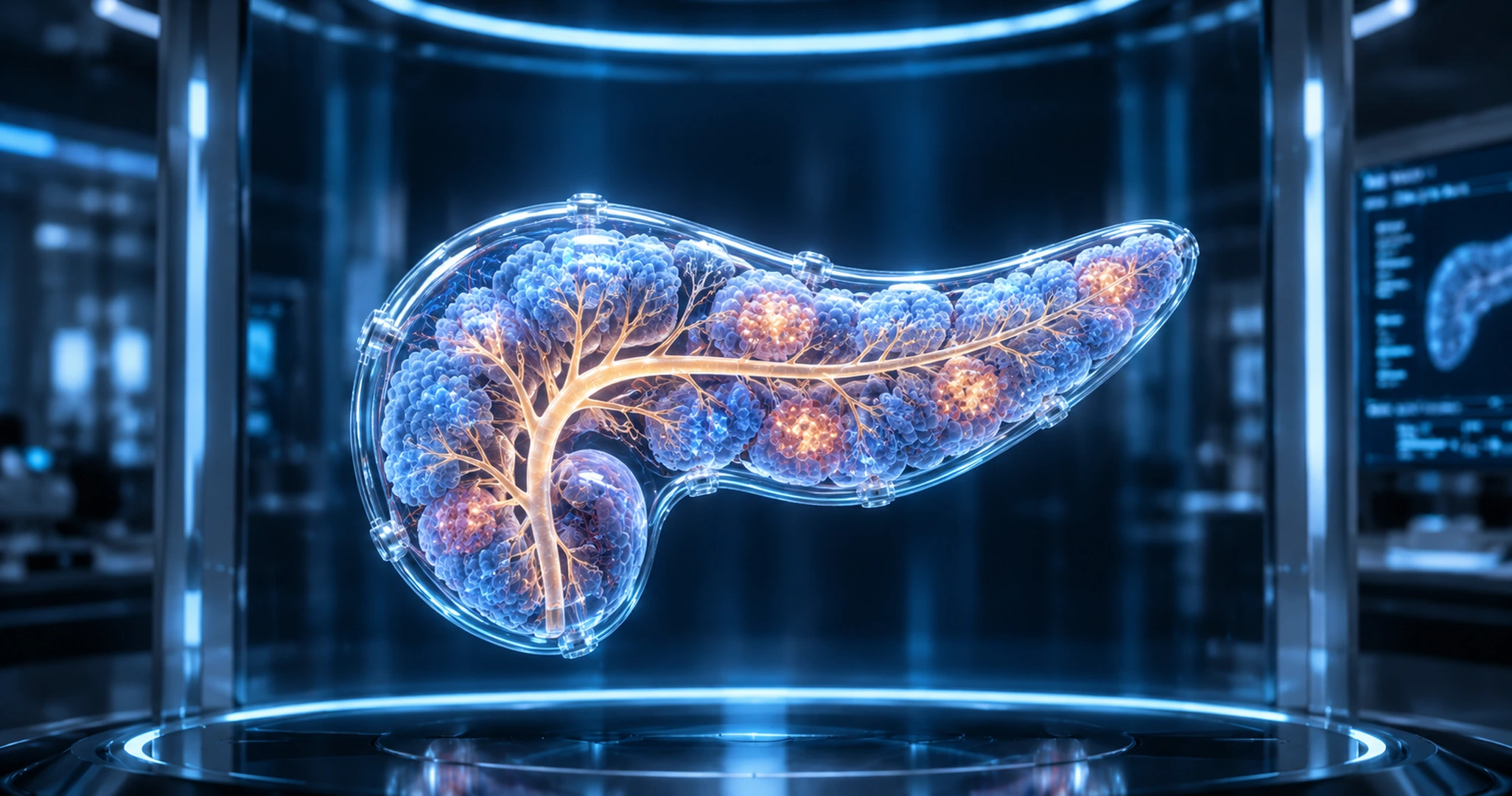
Pancreas Systems
Glucose regulation, endocrine support, metabolic balance, and internal control architecture.
Explore system →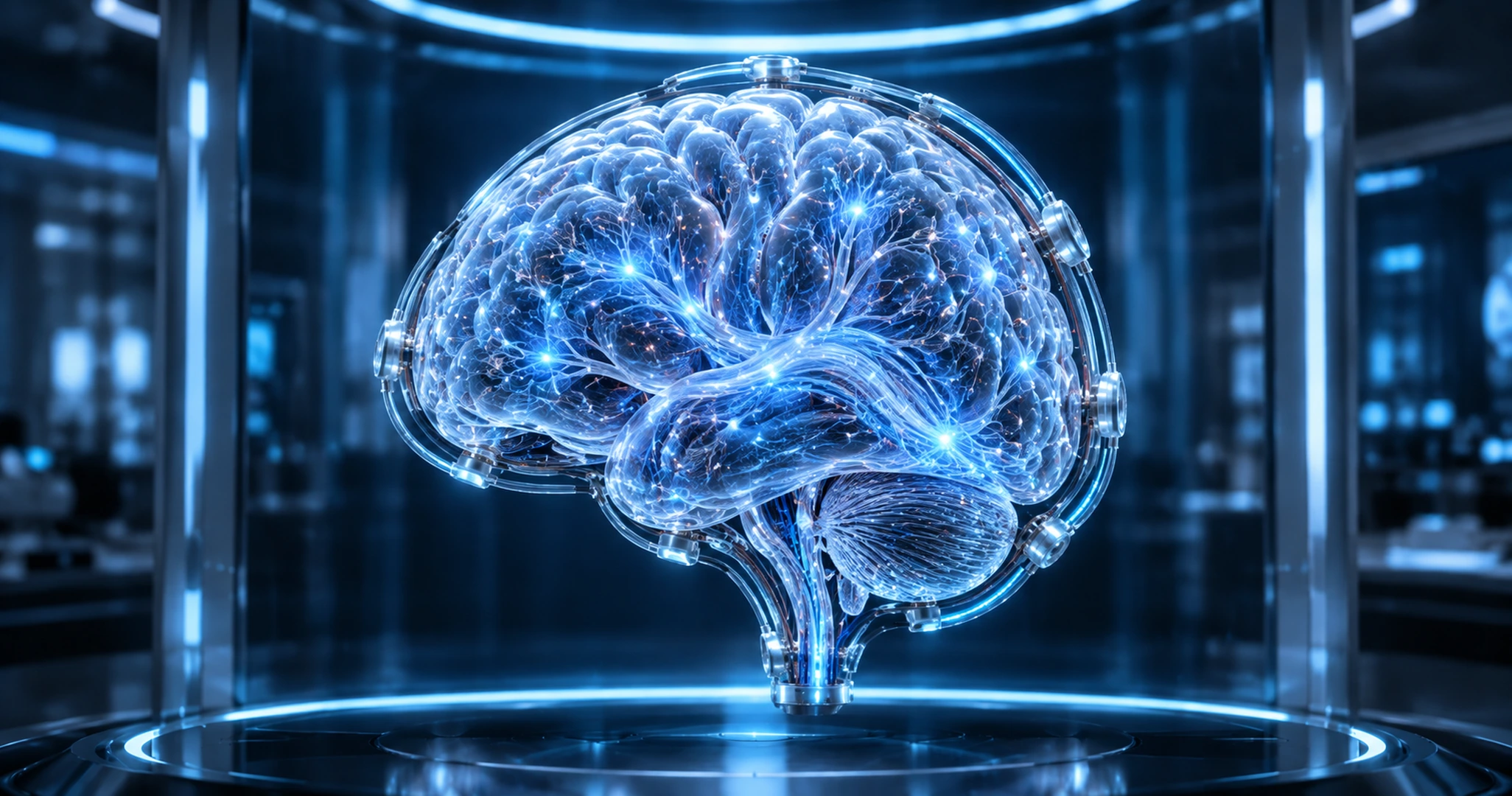
Neural Systems
Protection, repair, monitoring, and neuro-interface support for high-demand neural tissue.
Explore system →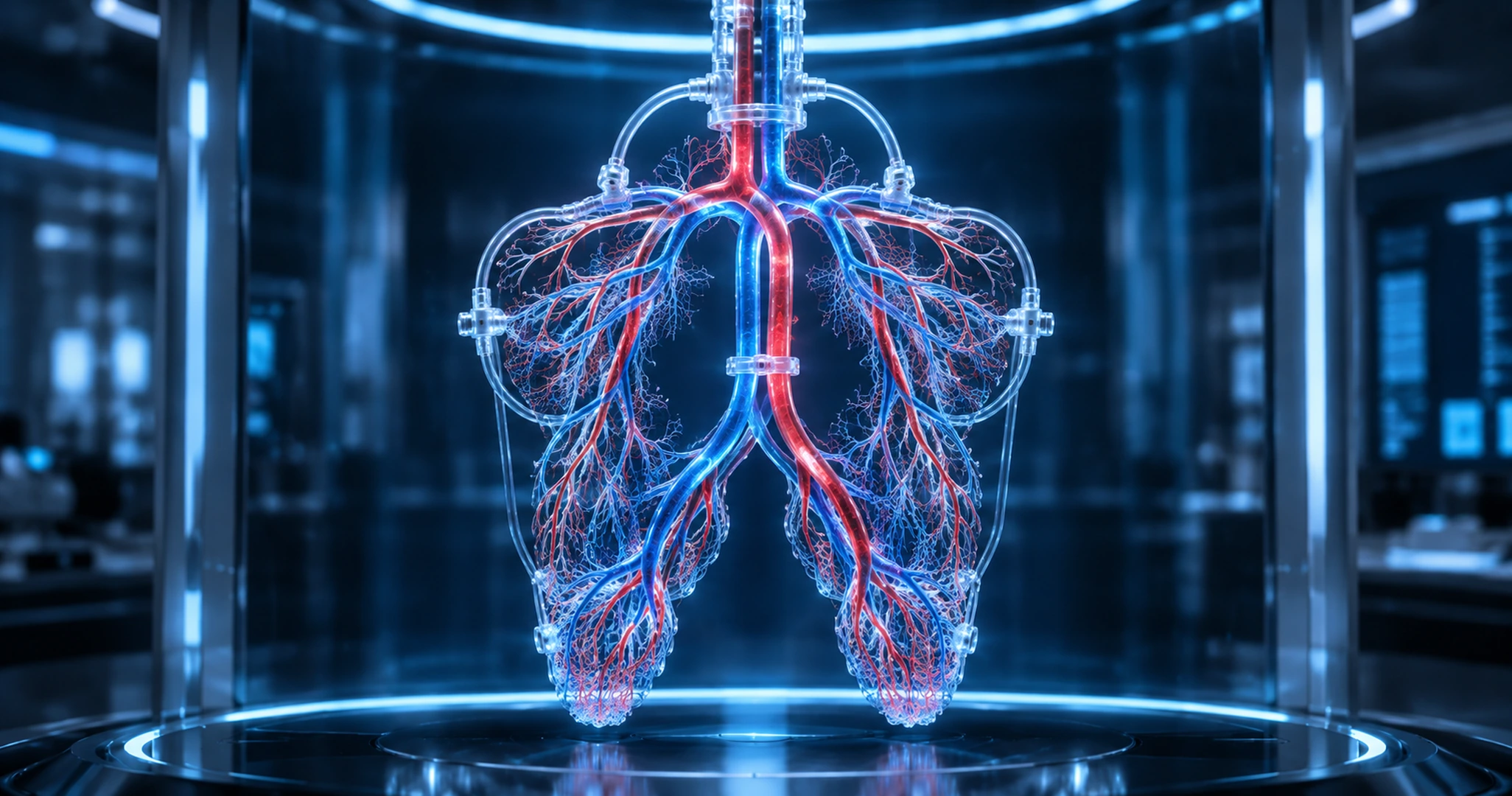
Vascular Systems
Engineered perfusion networks and vessel interfaces that connect organs to the whole body.
Explore system →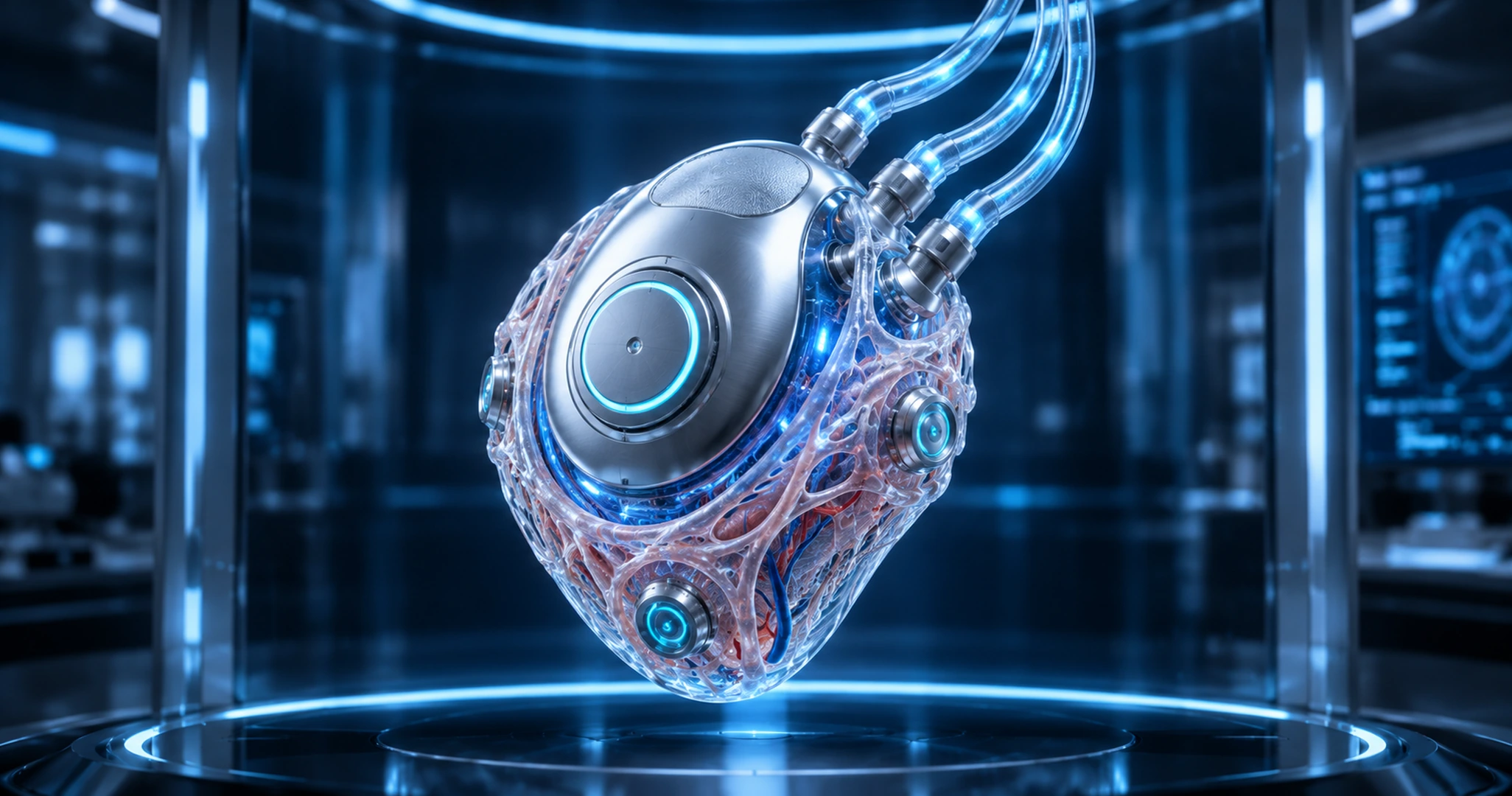
Implant Systems
Long-life sensing, access, serviceability, and tissue-device interfaces for integrated medical systems.
Explore system →External support is transitional—not the destination.
This distinction is explicit because early prototypes can visually resemble dialysis or extracorporeal support. The program goal is to eliminate those routine external dependencies.
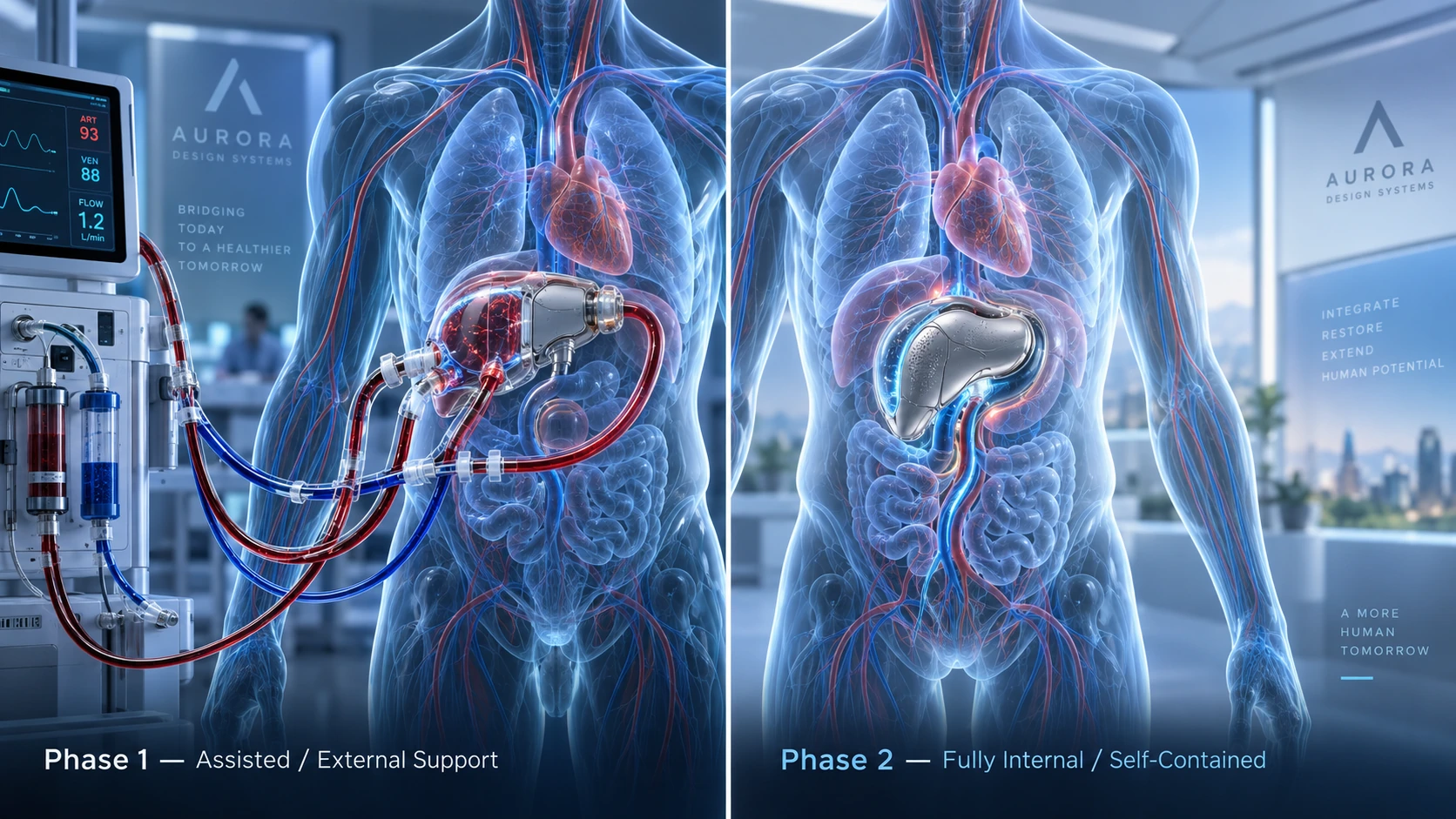
SMSU replaces the idea of one bulky external power source.
The conceptual architecture distributes support at the tissue and cellular level so organ function, sensing, control, and resilience can be local rather than tethered.
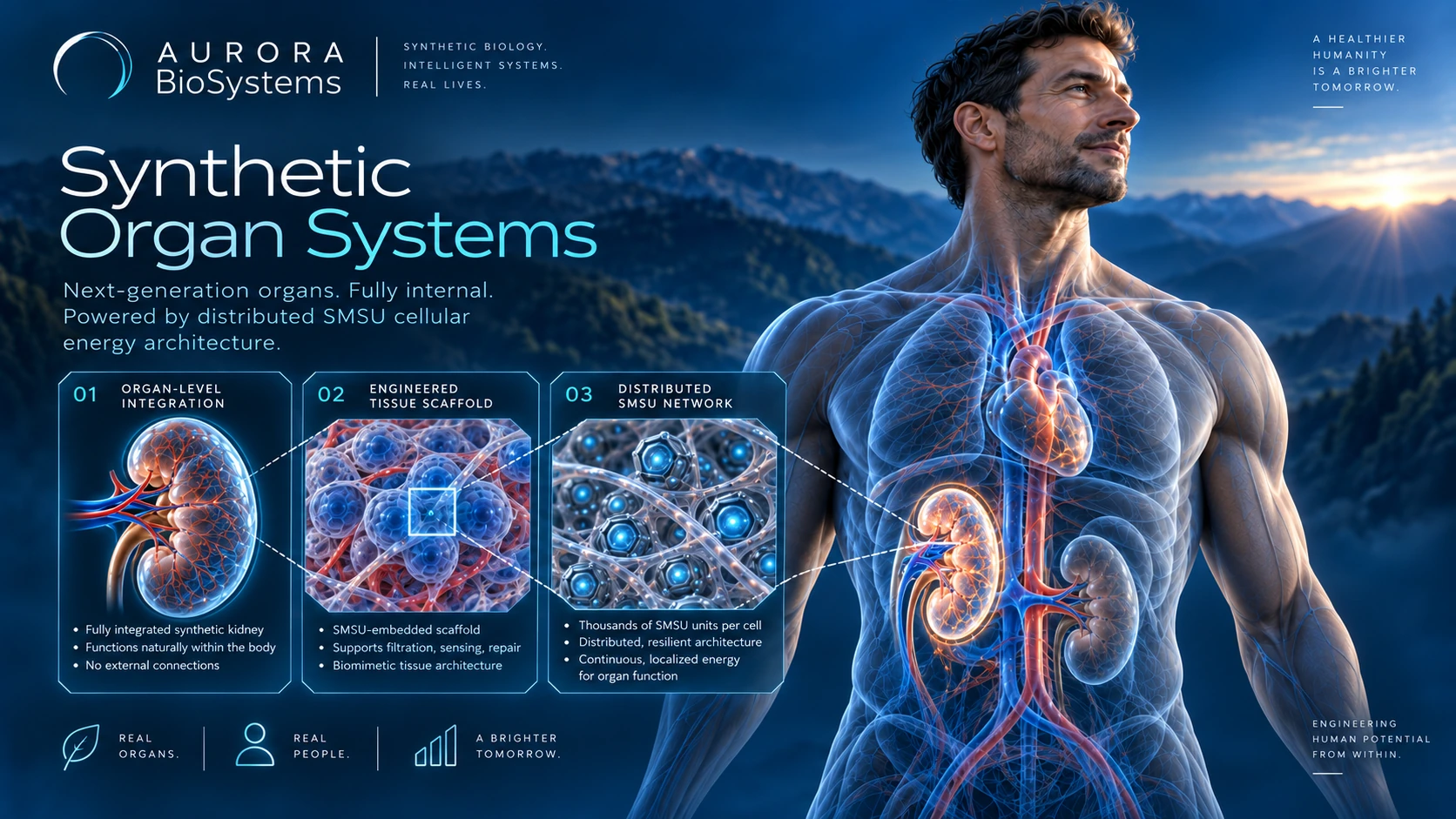
Integrated architecture
Perfusion, organ function, sensing, and energy support treated as one system.
Open technical page →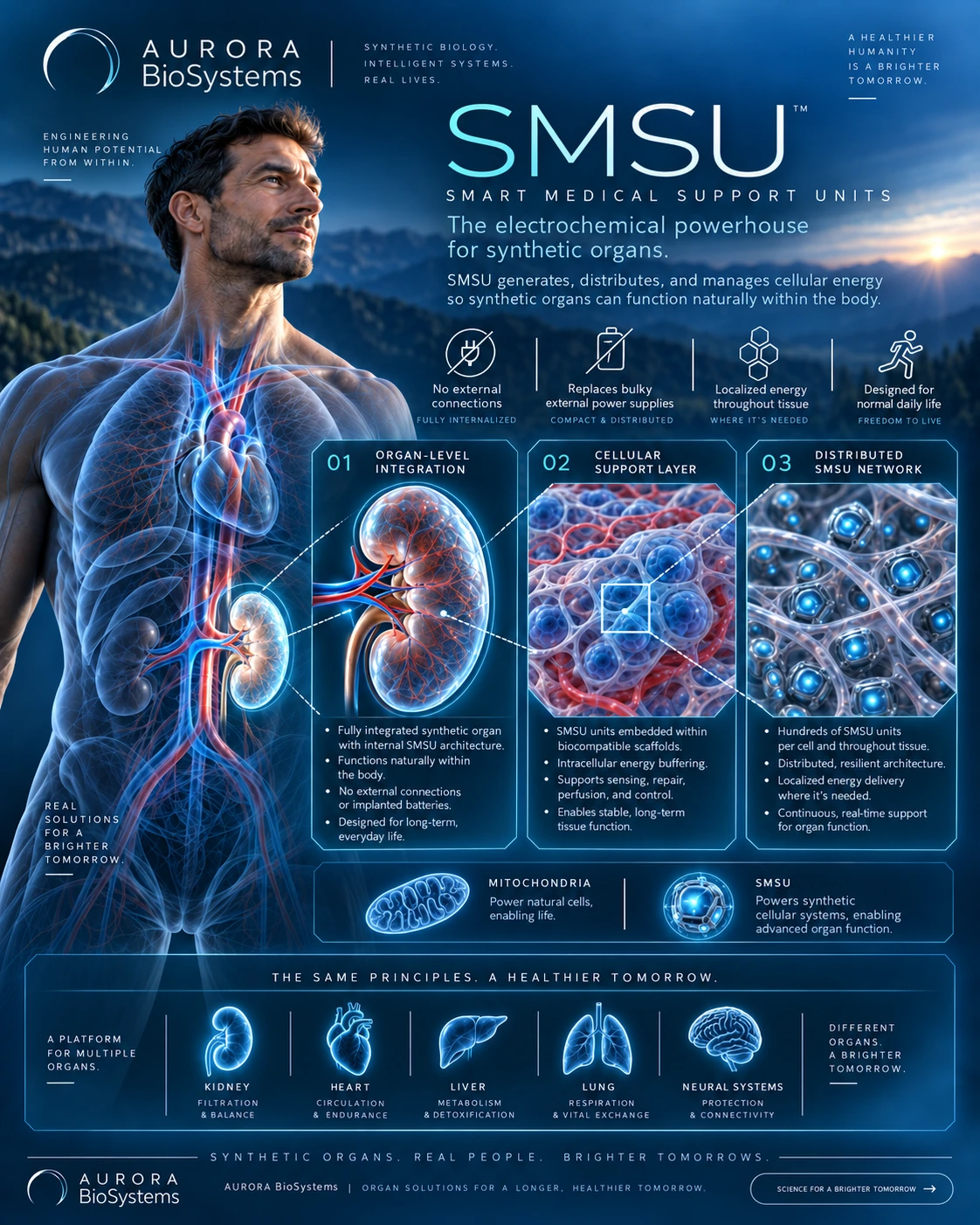
Distributed support layer
Localized energy buffering and control distributed through synthetic tissue.
Open technical page →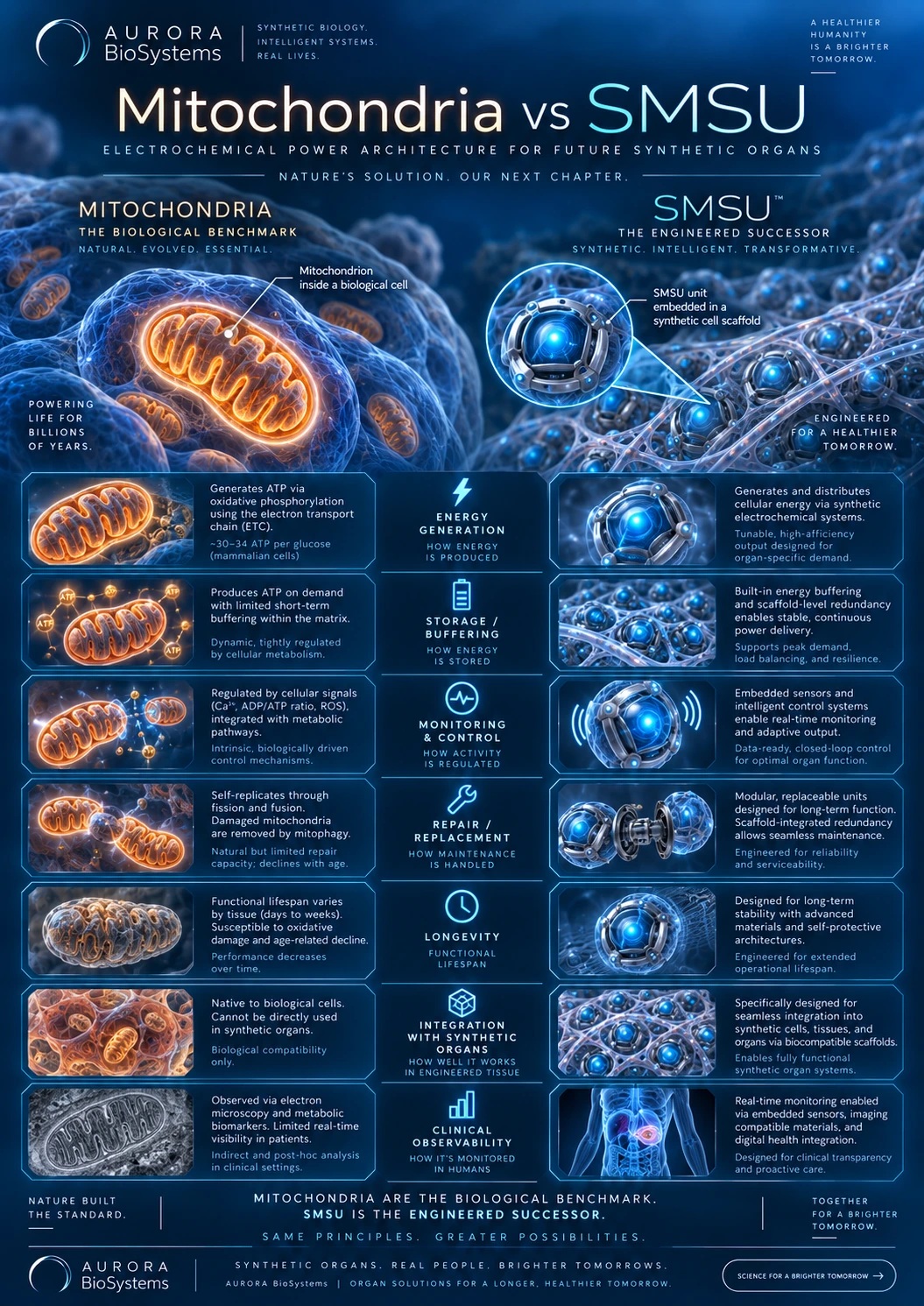
Mitochondria vs. SMSU
Biological electrochemical power compared with the conceptual engineered analogue.
Open comparison →