APR-PWR-001 / Aurora Prime Infrastructure

Energy & Power

A fault-tolerant power ecology for an orbital city that cannot safely depend on one generator, one bus, or one control room.

Generation, storage, distribution, heat rejection, and emergency recovery are treated as one coupled station system. Independent districts can isolate damage, preserve life-support loads, and rebuild the grid without waiting for the entire complex to recover.

Distributed Generation Segmented Ring Buses Black-Start Storage Thermal Cascade
System-of-Systems Principle

Power continuity is designed as a network—not a heroic single reactor.

Aurora Prime distributes generation and storage across protected districts. High-capacity trunk buses move energy between rings, while local microgrids keep medical, environmental, communications, shelter, and command loads alive when a trunk segment is isolated.

The architecture deliberately couples electrical dispatch to heat rejection. A power source is not considered available unless its associated cooling path, switching protection, storage buffer, and control authority are also available.

Design Priorities
No single-point city lossGeneration, control, storage, and distribution are physically separated.
Graceful degradationNonessential loads shed before habitat safety margins are threatened.
Local survival islandsEach major district retains independent emergency power and control.
Auditable recoveryBlack-start and reconnection sequences are verified before buses are tied together.

Power Delivery Architecture

Conceptual functional flow. Final source mix and ratings remain engineering-development items.

01 Generation Clusters

Multiple protected primary and supplemental sources serve independent station sectors.

02 Power Conditioning

Conversion, protection, synchronization, and isolation prepare energy for controlled transfer.

03 Segmented Ring Buses

Cross-linked trunks reroute power around damaged or maintenance-isolated segments.

04 District Microgrids

Habitat, civic, industrial, docking, and medical districts manage local reserves and loads.

05 Priority Loads

Life support, thermal control, communications, command, safe-haven, and recovery systems.

Four Coupled Infrastructure Layers

Each layer must remain available—or fail safely—for the grid to claim operational readiness.

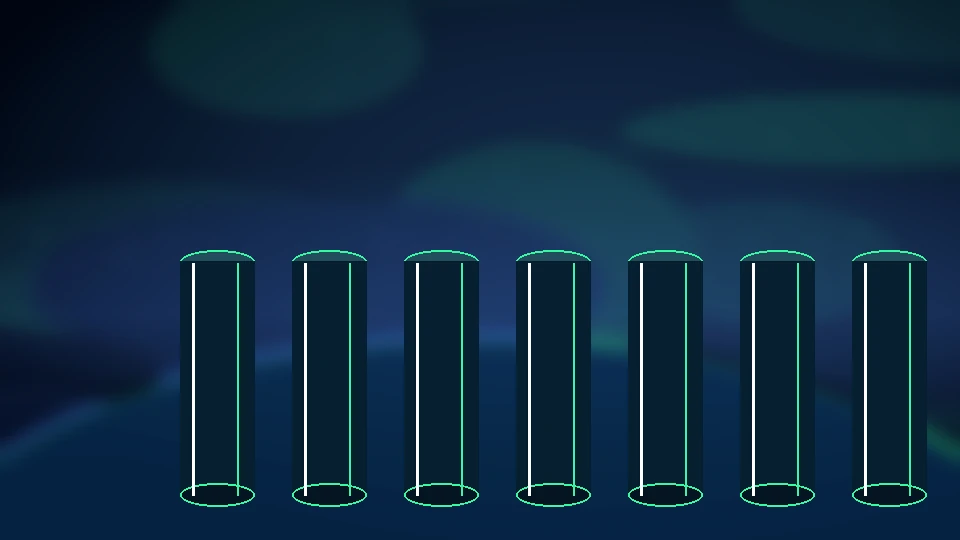
Concept diagram of a protected station generation core
01 · Generation

Protected Power Districts

Primary sources are separated by shielding, structure, fire boundaries, controls, and maintenance access. A source trip should reduce capacity—not erase the station.

Concept diagram
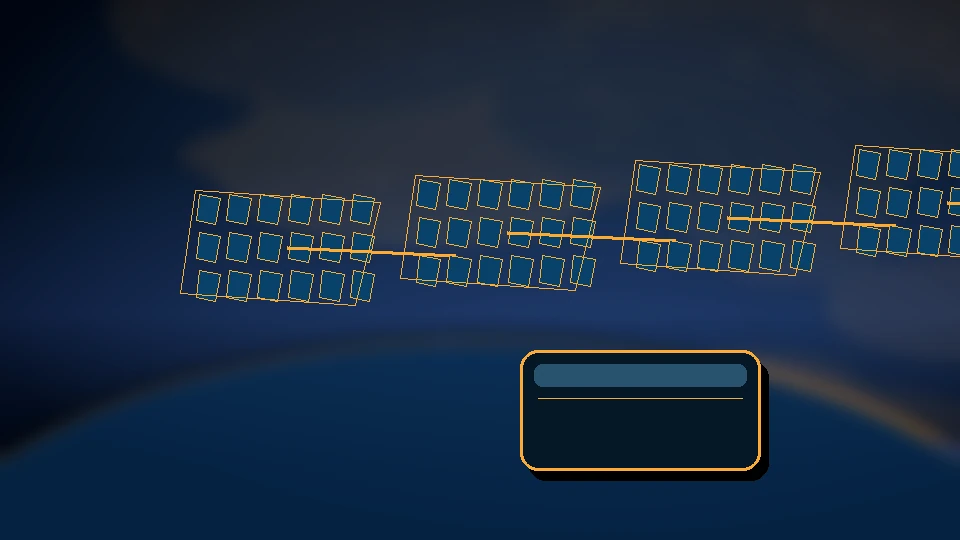
Concept diagram of segmented station power distribution
02 · Distribution

Cross-Ring Distribution

Protected trunks, transfer nodes, and sectionalizing switches create alternate paths while preventing an electrical fault from cascading around the city.

Concept diagram
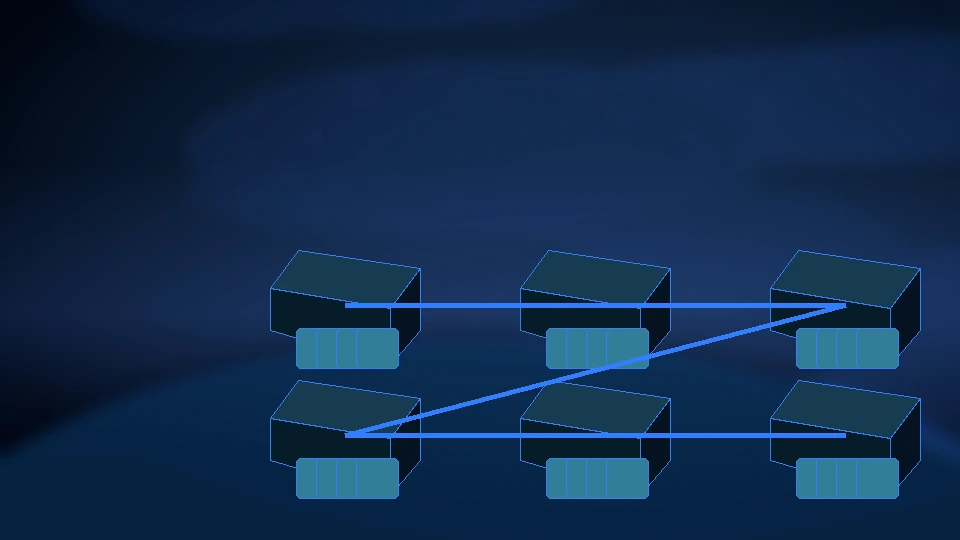
Concept diagram of modular energy storage
03 · Storage

Fast Reserve & Black Start

Distributed storage bridges generator transitions, supports peak loads, sustains safe shutdown, and energizes recovery controls after a wide-area outage.

Concept diagram
Concept diagram of power-system thermal control
04 · Thermal

Heat Rejection & Recovery

Regenerative use, thermal storage, radiator dispatch, and emergency heat sinks are scheduled with the electrical load plan.

Concept diagram
Emergency Load Doctrine

Keep people alive, preserve control, then rebuild capacity.

  1. Tier 1 — Immediate survival: atmosphere, pressure control, medical critical loads, fire protection, emergency lighting, command, and communications.
  2. Tier 2 — Stabilization: thermal loops, water processing, safe-haven districts, navigation support, damage assessment, and black-start equipment.
  3. Tier 3 — Recovery: food systems, logistics, docking support, manufacturing, public services, and controlled reconnection of isolated districts.
  4. Tier 4 — Deferrable demand: high-energy industry, discretionary transport, entertainment, and noncritical experimentation.
Reality: segmented grids, protection zones, microgrids, black-start reserves, load shedding, and thermal management. Frontier: station-scale high-density storage, advanced superconducting distribution, and deeply integrated thermal recovery. Speculative: any future source whose availability or performance exceeds demonstrated engineering capability.
Status: public concept architecture. Purpose: systems communication, story-world continuity, and future CGI/visual-development reference. Boundary: no construction-ready ratings or protection settings are published here.