Bladeless & Oscillating Wind
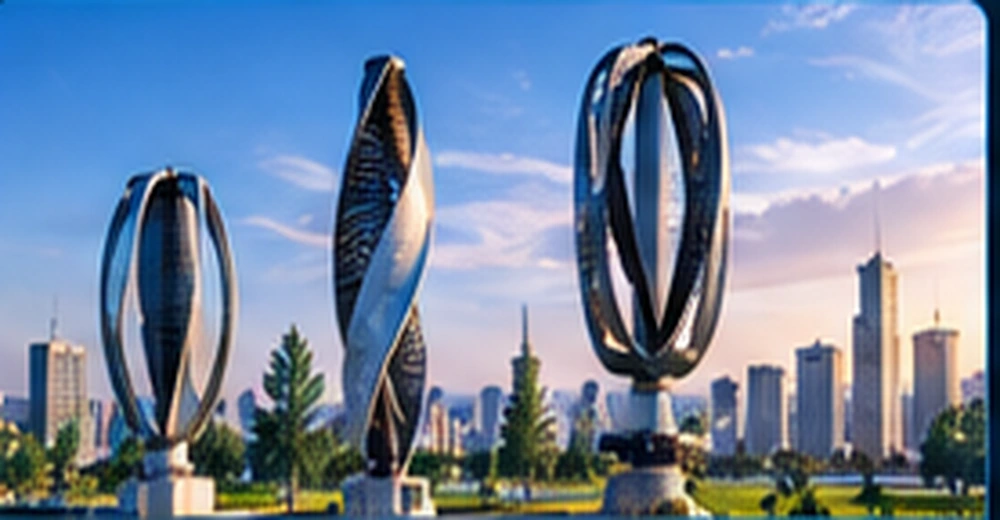
Oscillating mast, vortex, ducted, and motion-based concepts explore reduced rotating-blade exposure, smaller footprints, and distributed power roles where conventional turbines may not fit.
Alternative wind capture← Back to Sustainability & Infrastructure

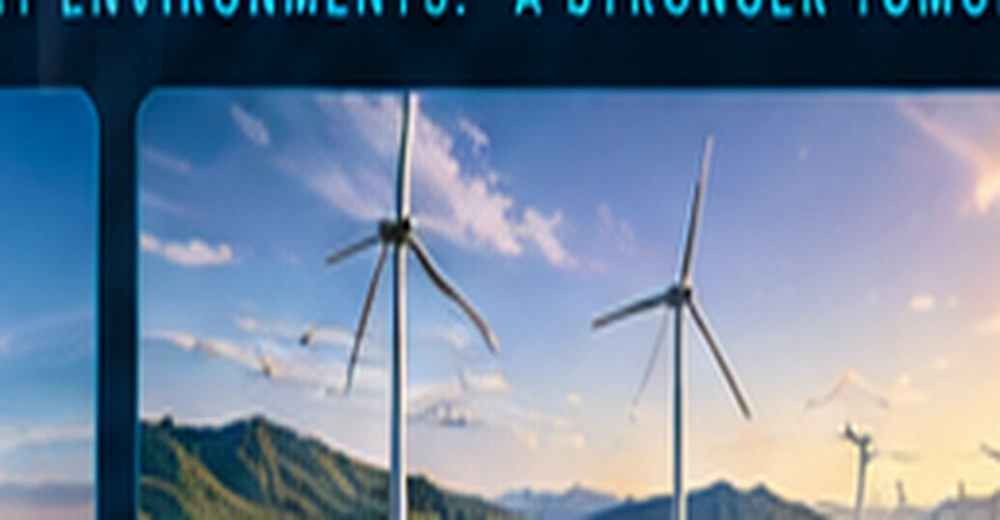
Wind infrastructure spans proven utility-scale turbines and emerging alternatives—from urban and vertical-axis capture to high-altitude concepts, micro-wind, offshore systems, and hybrid renewable networks.
The six original architecture areas are retained, but each now has a clearer visual identity and a stronger systems-engineering role inside a mixed generation portfolio.

Oscillating mast, vortex, ducted, and motion-based concepts explore reduced rotating-blade exposure, smaller footprints, and distributed power roles where conventional turbines may not fit.
Alternative wind capture

Building-mounted systems use rooftop flow, parapet acceleration, architectural channels, and urban wind corridors to supplement solar, storage, and facility microgrids.
Urban + campus integration
Vertical-axis, coaxial, and compact rotor systems widen the design space for urban, industrial, coastal, and specialized settings where standard horizontal-axis machines are not ideal.
Compact rotor architectures
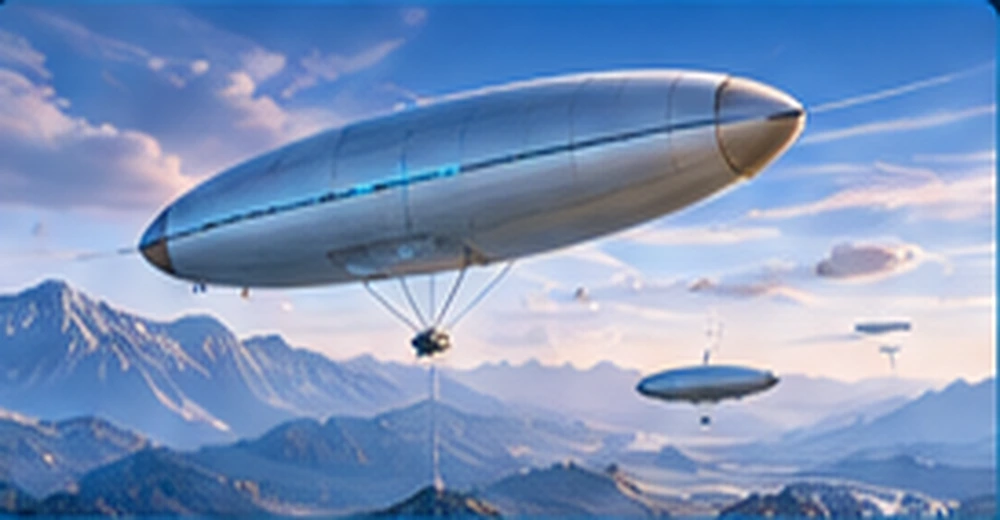
Kite, tethered-wing, and lighter-than-air concepts seek access to stronger, more persistent winds above conventional tower heights while remaining an emerging research and deployment category.
High-altitude wind research
Small-format and visually integrated devices can support campuses, farms, industrial parks, roadside assets, remote nodes, and community-scale hybrid systems.
Distributed generation
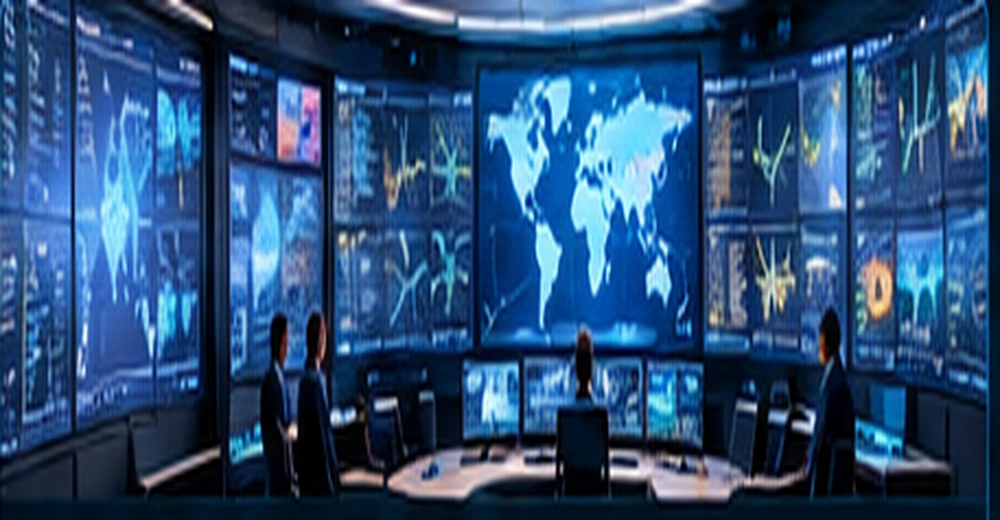
Forecasting, controls, transmission interfaces, storage, and hybrid generation convert variable wind resources into more useful grid and facility-level power services.
Grid + storage coordination
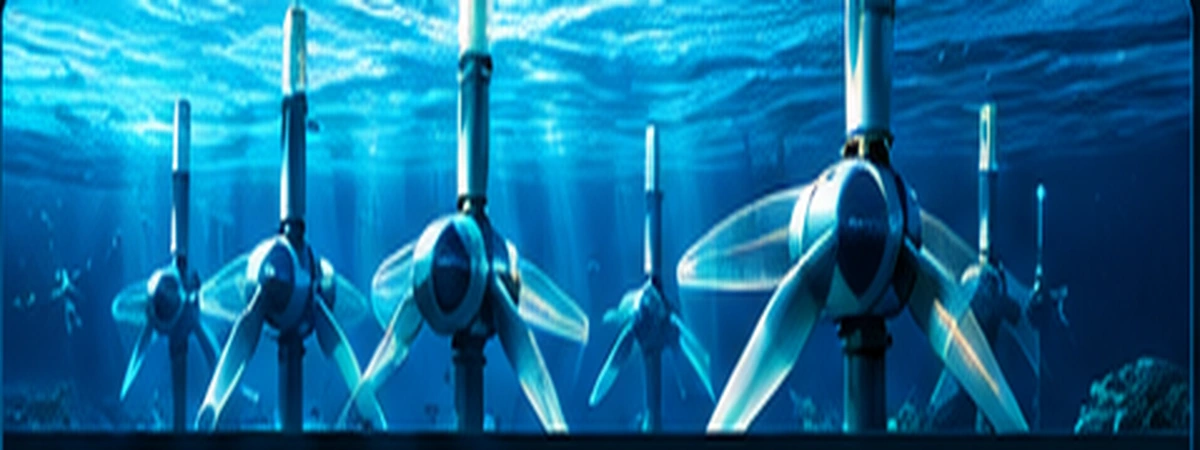
Fixed-bottom and floating offshore wind can access stronger coastal resources, while marine-current concepts remain a distinct adjacent research area within broader ocean-energy infrastructure.

Siting, wildlife protection, community engagement, service access, materials, decommissioning, and lifecycle stewardship belong inside the engineering architecture—not outside it.
Onshore, offshore, urban, airborne, micro-wind, and alternative architectures have different maturity levels, cost structures, maintenance needs, visual footprints, and grid roles. Aurora treats them as complementary options rather than a single universal solution.