← Back to Sustainability & Infrastructure

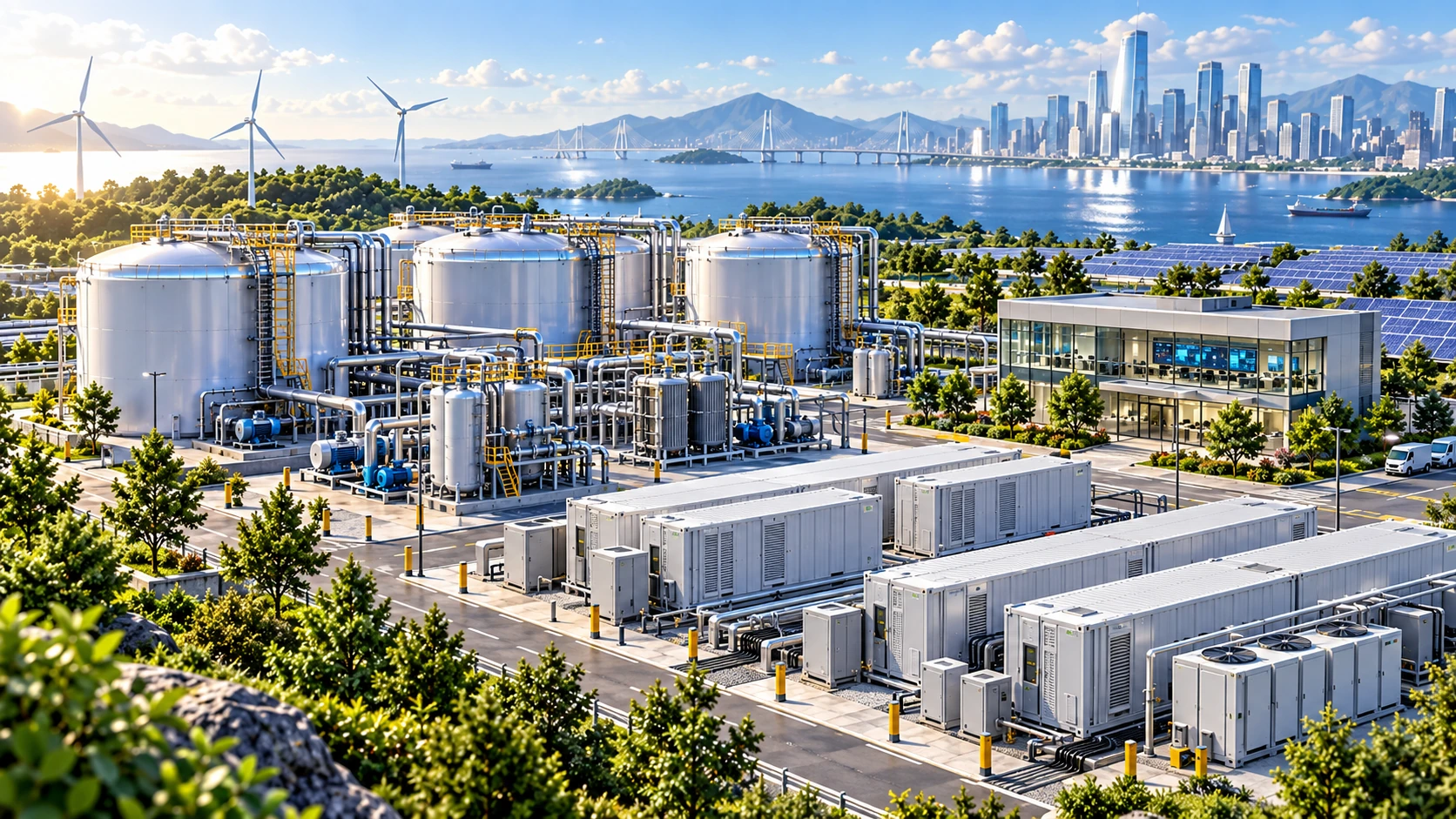
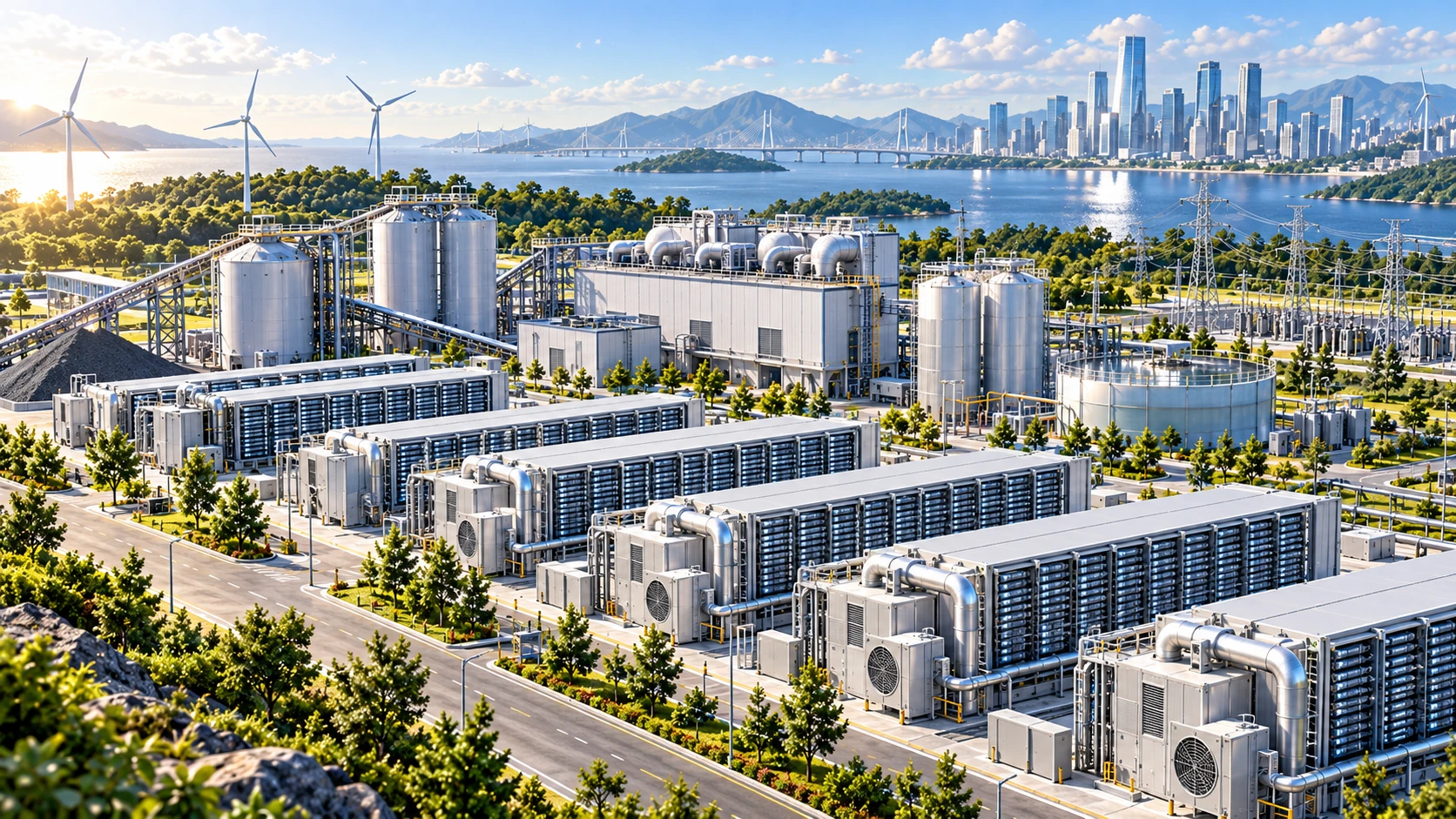
Text-free rendering of a grid-scale battery energy campus integrated with solar, wind, and utility infrastructure.
Phase 3 · Energy Storage Technology

Battery
Technology

Grid-scale storage, utility systems, industrial resilience, and emerging chemistries.

From established lithium-ion and lead-acid systems to flow batteries, sodium-ion, metal-air, solid-state research, and circular recovery, this page organizes the battery landscape by chemistry, duration, application, and maturity.

Reliable gridsIndustrial resilienceLong-duration storageCircular recovery
Battery Technology Families

Current, scaling, and established storage technologies.

The page separates electrochemical battery families from broader storage-system architecture so chemistry and infrastructure are not mixed together.

Battery module concept rendering
Cell-Based & Solid-State

Cell-Based & Solid-State Batteries

Conventional and next-generation rechargeable cell families spanning mature and emerging chemistries.

  • Lithium-ion
  • LFP (Lithium Iron Phosphate)
  • NMC (Nickel Manganese Cobalt)
  • Sodium-ion
  • Lead-acid
  • Nickel-based (NiCd / NiMH)
  • True solid-state batteries

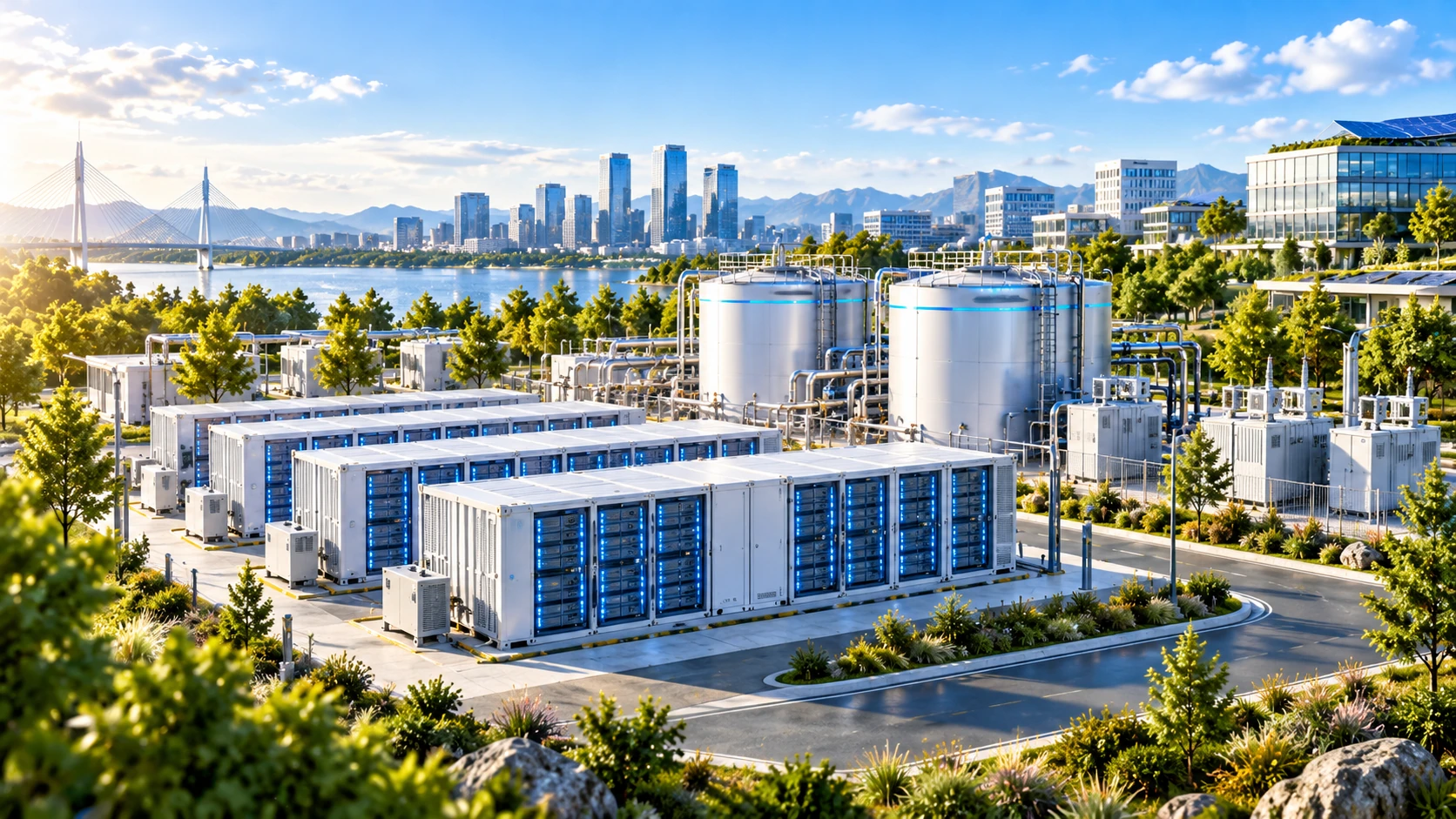
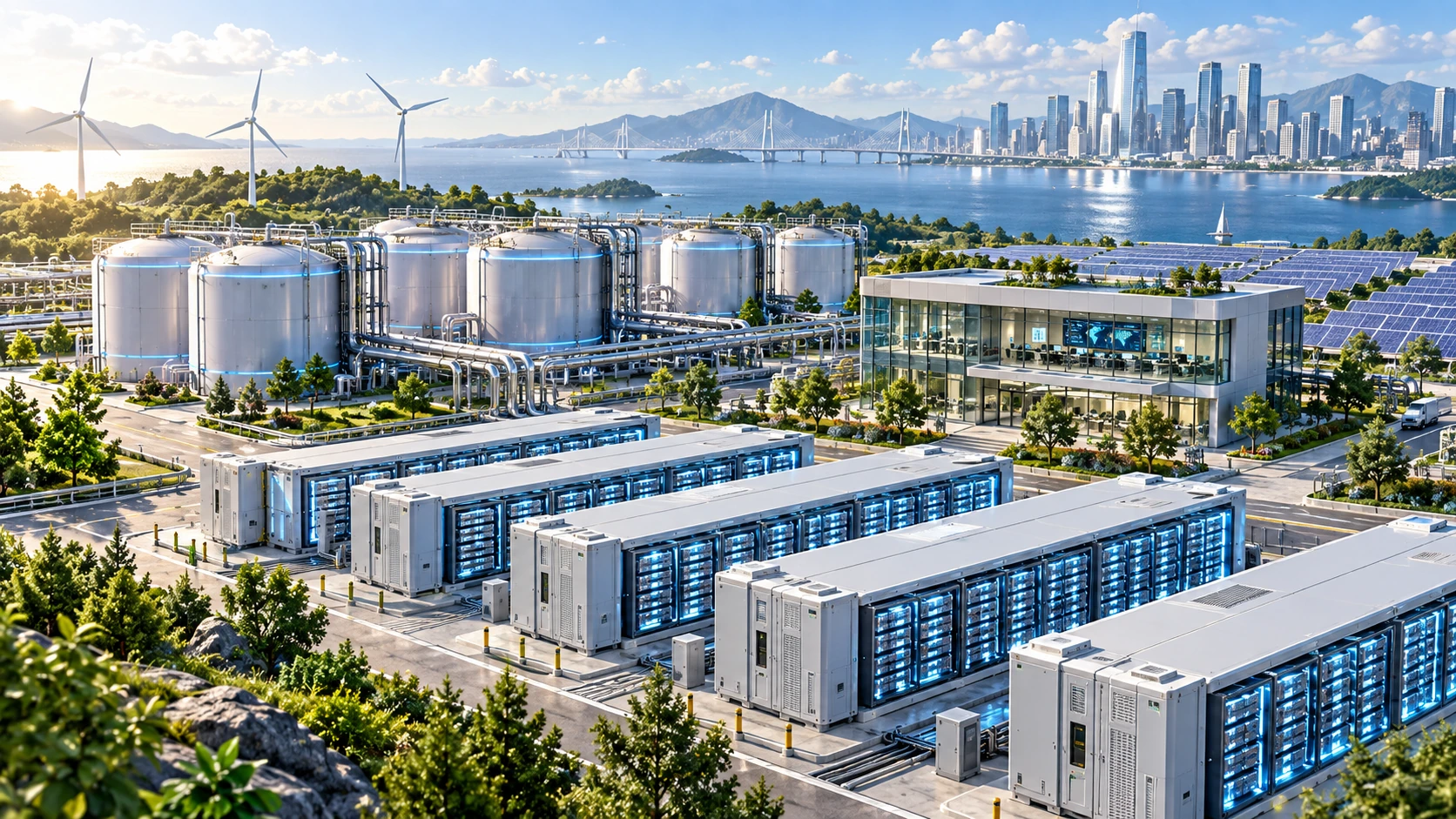
Text-free vanadium and flow-battery storage facility rendering
Flow Batteries

Flow Batteries

Tank-based electrochemical storage with energy capacity that can scale separately from cell-stack power.

  • Vanadium redox flow (VRFB)
  • Iron-flow systems
  • Zinc-based flow systems
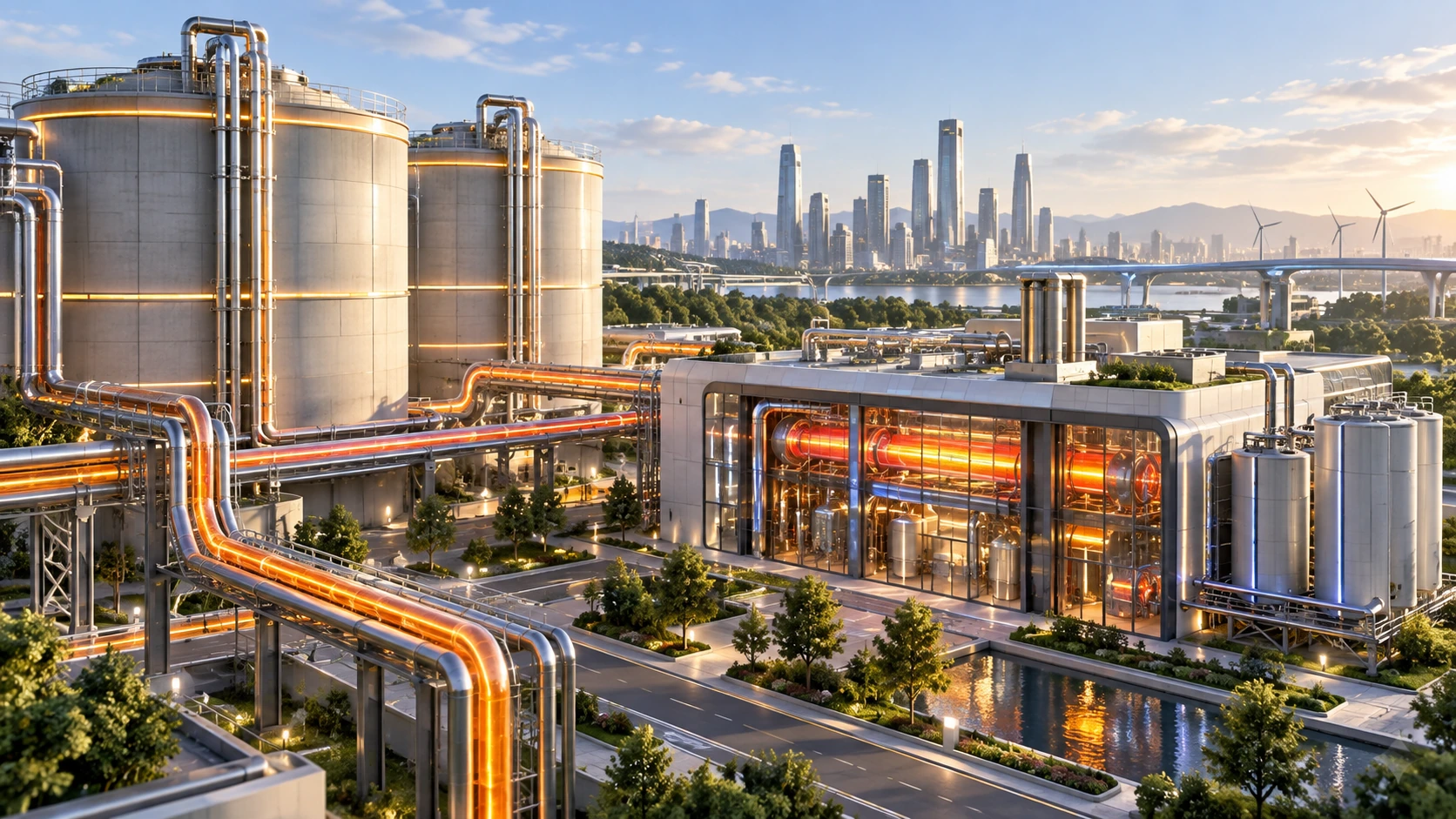
Text-free high-temperature thermal storage facility rendering
High-Temperature / Molten

High-Temperature & Molten Systems

Storage technologies using elevated-temperature electrochemistry or thermal media for longer-duration operation.

  • Sodium-sulfur (NaS)
  • Molten-salt thermal storage
  • Industrial heat-storage pathways
Metal-air energy-storage concept rendering
Metal-Air Systems

Open-Air / Metal-Air Systems

Electrochemical systems that use atmospheric oxygen as a reactant, potentially reducing stored active-material mass.

  • Zinc-air
  • Iron-air
  • Aluminum-air
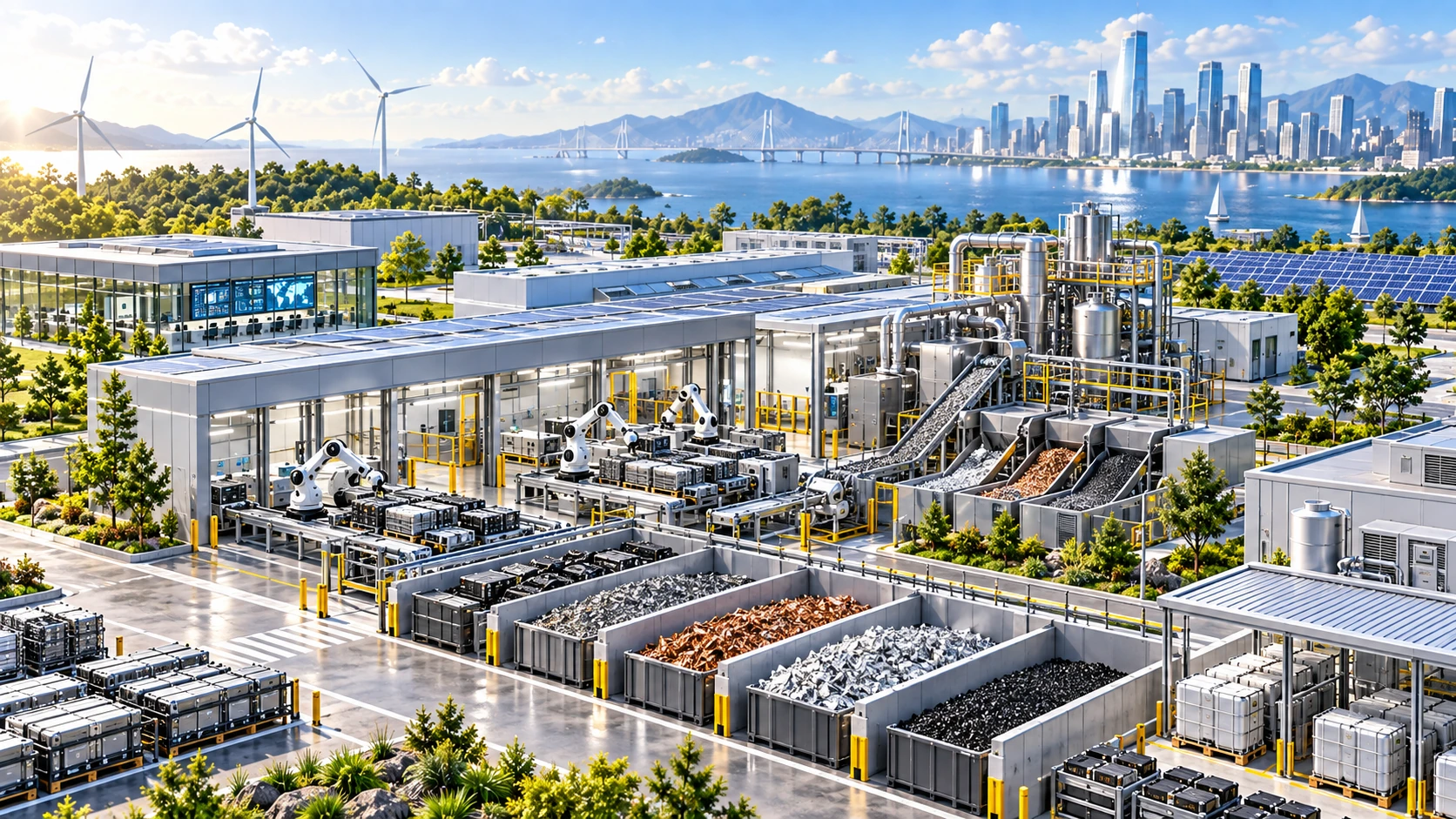
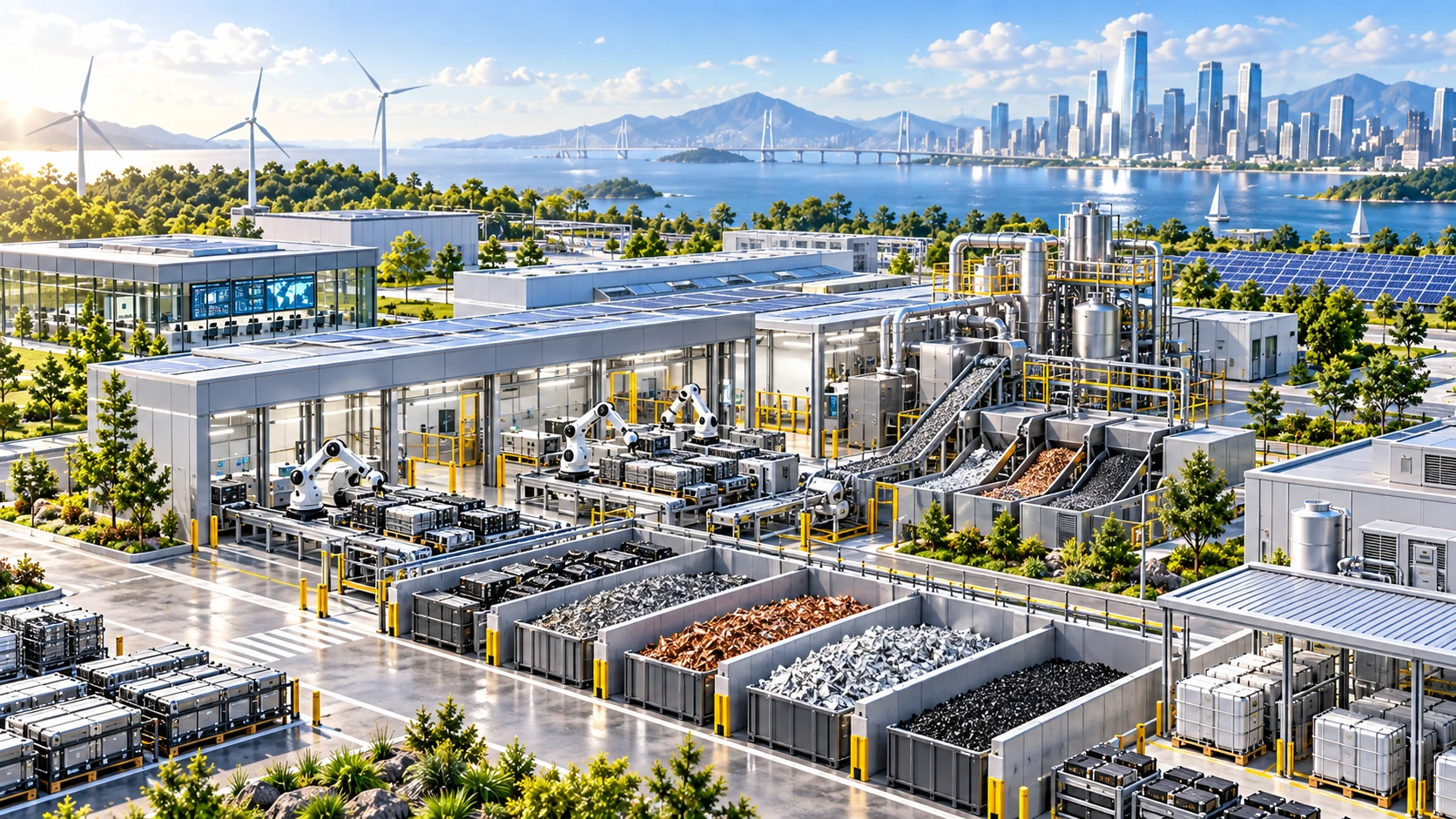
Text-free battery recycling and materials-recovery campus rendering
Circular Systems & Recovery

Circular Systems & Recovery

Lifecycle architecture that keeps valuable battery materials in circulation and supports a more resilient supply chain.

  • Battery recycling
  • Critical-material recovery
  • Second-life systems
  • Design for disassembly
Grid Application Bands

Storage for every timeframe.

Duration, duty cycle, power response, siting, safety, and lifecycle requirements determine which storage architecture fits a given application.

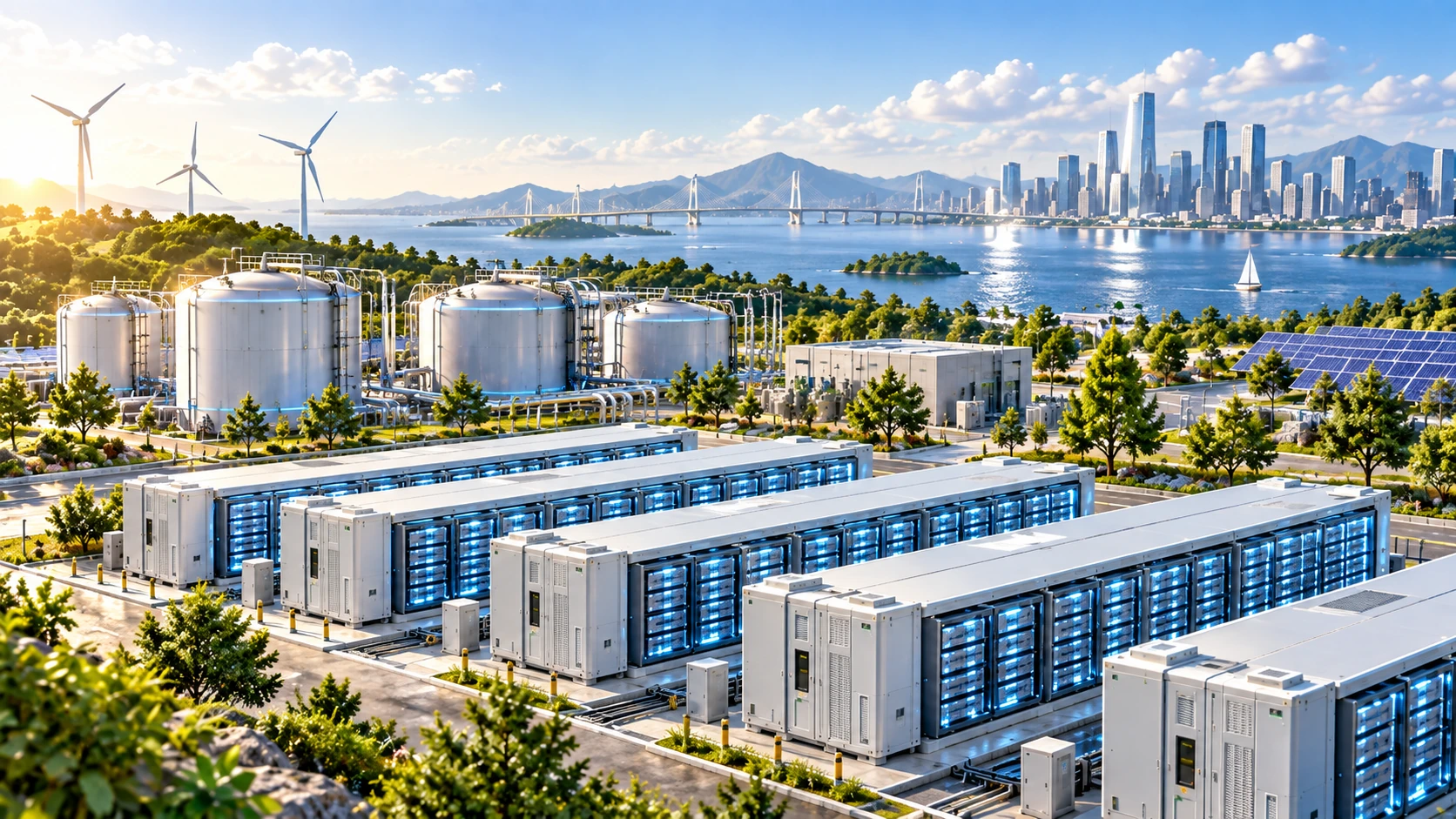
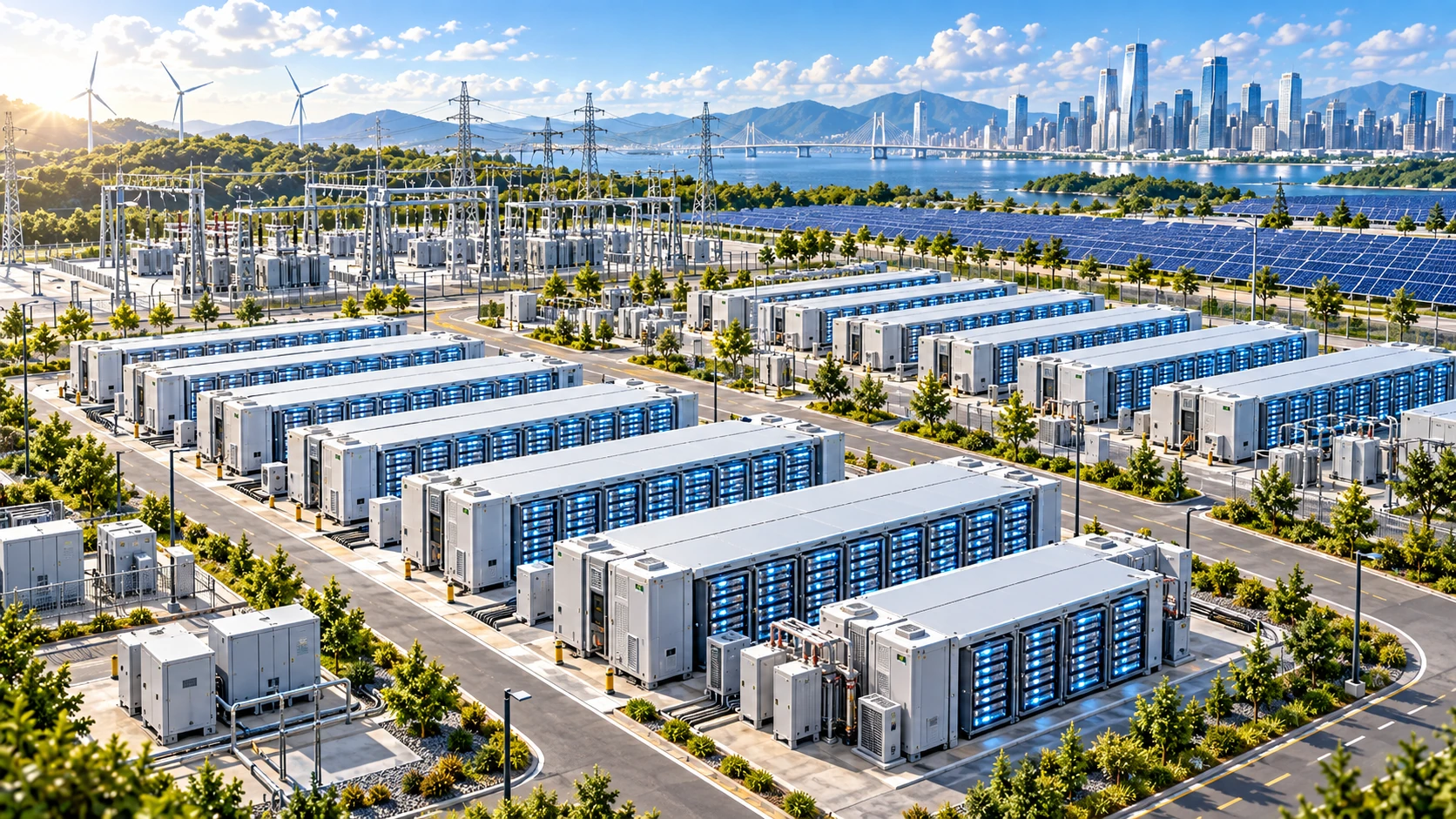
Text-free grid-scale storage campus rendering
Duration Bands

Short → medium → long → multi-day

Fast-response systems can support frequency and peak services, while long-duration systems target renewable firming, reserve energy, and multi-day resilience.

Seconds → 100+ hours
Text-free energy-storage campus rendering
Storage Today

Stronger grids and healthier communities

Storage can improve continuity for renewable generation, campuses, hospitals, water systems, transportation, and industrial facilities.

Resilience + flexibility
Text-free clean-energy storage campus rendering
Clean Energy at Scale

Utility, industrial, and regional systems

Battery technology operates inside a broader energy architecture that includes generation, transmission, protection, controls, and lifecycle planning.

System-level integration
Technology Comparison

Different strengths for different jobs.

These are broad application bands for public-facing comparison, not project procurement or site-specific engineering values.

Technology classTypical duration bandPrimary strengthsRepresentative uses
Lithium-ion (LFP / NMC)Minutes – hoursHigh efficiency, fast response, modular scalingGrid services, renewables, commercial & industrial
Sodium-ionMinutes – hoursAbundant-material pathway, cold-weather potentialStationary storage, commercial & industrial
Flow batteries (VRFB / iron / zinc)Hours – long durationHigh cycle life, scalable energy capacityUtility storage, renewable firming, microgrids
High-temperature / molten systemsHours – multi-hour / long durationIndustrial duty, thermal integration, long-duration pathwaysGrid shifting, industrial heat, hybrid energy systems
Metal-air systemsLong-duration potentialAbundant reactants, high theoretical energyLong-duration and reserve-energy concepts
Lead-acidMinutes – hoursMature, low initial cost, established supply chainBackup power, industrial and legacy systems
Nickel-based (NiCd / NiMH)Minutes – hoursRuggedness, high discharge capabilityIndustrial, transport, remote and harsh environments
Solid-state (emerging)Application dependentSafety and energy-density potentialNext-generation transport and stationary applications
Next-Generation & Emerging Batteries

Research horizons and technologies moving toward scale.

Future concepts are deliberately separated from commercial and scaling technologies so maturity is visible rather than implied.

The Future

Next-Gen & Emerging Technologies

Long-horizon research concepts and material systems that could change how energy is stored.

Quantum tunneling battery research concept

Quantum Tunneling Batteries

Frontier concept using atom-scale barriers and quantum-enabled transport ideas.

Aurora concept potential · 9.5 / 10
Structural battery composite concept

Structural Battery Composites

Load-bearing carbon-fiber structures that also function as electrochemical storage.

Aurora concept potential · 9.0 / 10
Tungsten-enhanced battery electrode concept

Lithium-Tungsten Electrode Research

Tungsten-carbon nanostructure concepts aimed at faster charge/discharge pathways.

Aurora concept potential · 8.5 / 10
Lithium-sulfur battery concept

Lithium-Sulfur (Li-S)

High-specific-energy sulfur chemistry with ongoing work on cycle life and material stability.

Aurora concept potential · 8.0 / 10
The numeric values above are Aurora internal concept-comparison indicators for this public portfolio, not investment ratings, market forecasts, or engineering guarantees.
Today

Commercialized & Scaling Technologies

Technologies with active industrial development, scaling programs, or near-term deployment pathways.

All-solid-state battery concept

All-Solid-State (ASSB)

Solid-electrolyte systems aimed at improved safety and higher energy density.

Aurora scaling indicator · 9.0 / 10
Silicon-anode lithium-ion concept

Advanced Silicon-Anode Li-Ion

Silicon-rich anodes target greater capacity while engineering around expansion and cycle-life challenges.

Aurora scaling indicator · 8.5 / 10
Quasi-solid sodium-ion concept

Quasi-Solid Sodium-Ion

Sodium-based storage using gel, quasi-solid, or advanced electrolyte concepts for safety and materials availability.

Aurora scaling indicator · 8.0 / 10
LMFP battery material concept

LMFP

Lithium manganese iron phosphate extends the phosphate-family design space beyond standard LFP.

Aurora scaling indicator · 7.5 / 10
Technology status changes quickly. This page uses maturity labels as a portfolio-organizing tool; detailed claims should be refreshed against current technical and commercial sources before external engineering use.
Explore in Depth

From chemistry to infrastructure.

Battery cells are only one part of storage architecture. Recycling, long-duration systems, microgrids, and thermal storage connect chemistry to resilient infrastructure.

Battery recycling and material recovery rendering

Battery Recycling

Recover critical materials, support second-life pathways, and design storage around lifecycle accountability.

Long-duration energy storage campus rendering

Advanced Energy Storage

Move from chemistry into grid reserve banks, long-duration systems, continuity buffers, and integrated storage architecture.

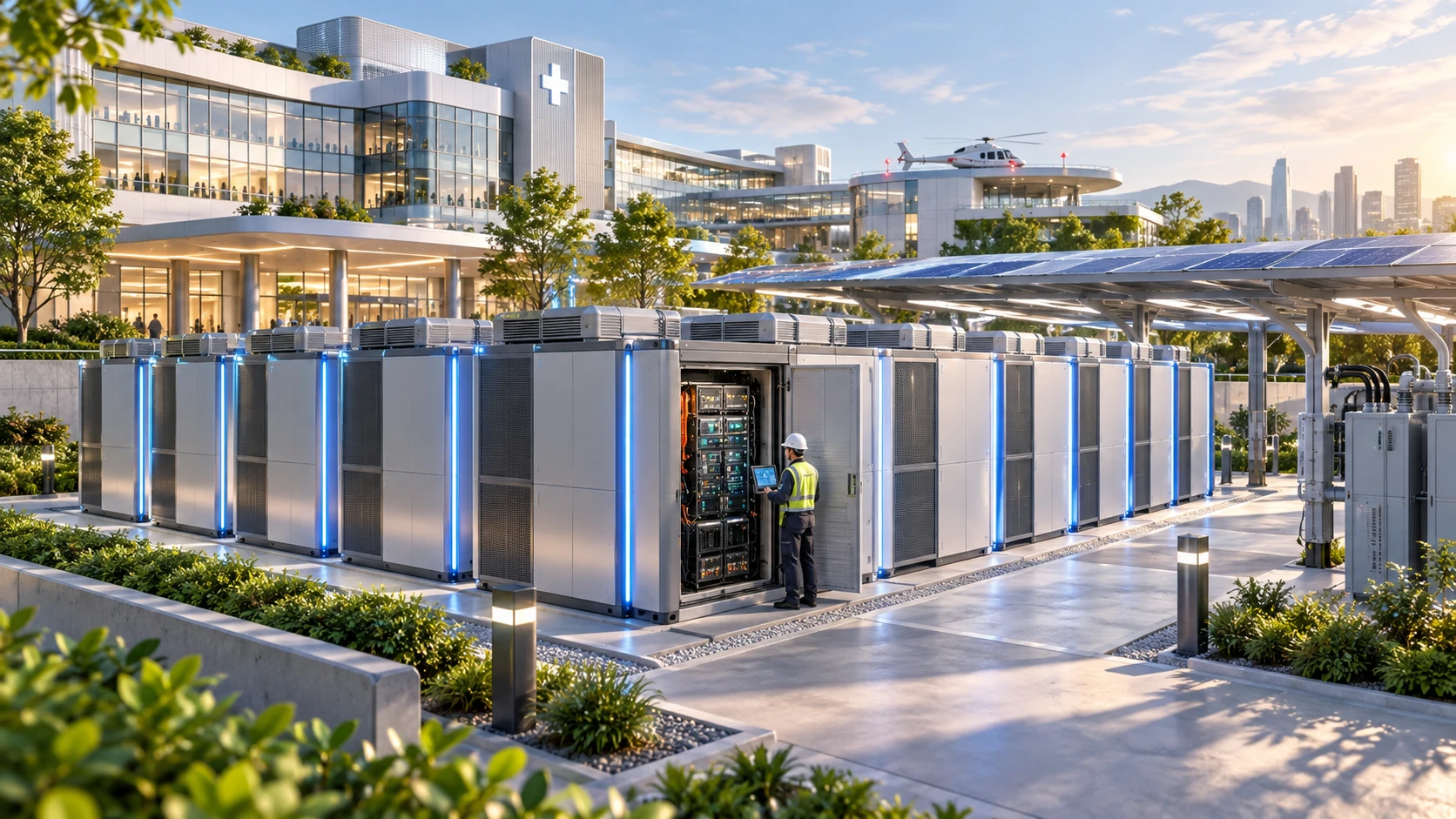
Hospital microgrid and battery storage rendering

Microgrid Applications

Use storage with local generation and critical-load management to support hospitals, campuses, shelters, and public services.

Thermal energy storage rendering

Thermal Energy Storage

Complement electrochemical storage with thermal media and industrial heat pathways where long-duration heat matters.