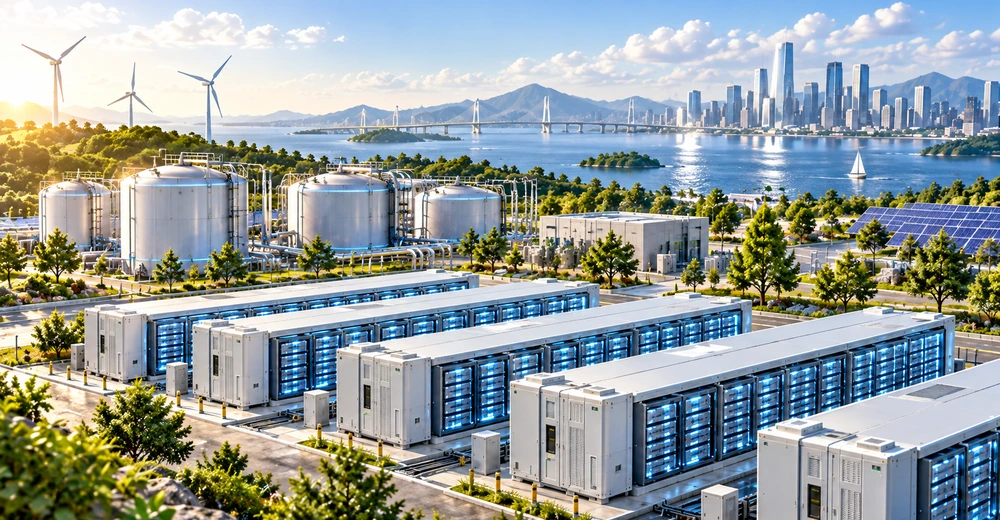
Utility / Regional Planning
Solar Energy Zones
Large generation districts positioned around strong irradiance, compatible land use, transmission access, environmental review, and nearby industrial or community demand.
Regional generation districts AURORA DESIGN SYSTEMSEngineering Systems • Applied Research • Product ArchitectureContact
← Back to Sustainability & Infrastructure
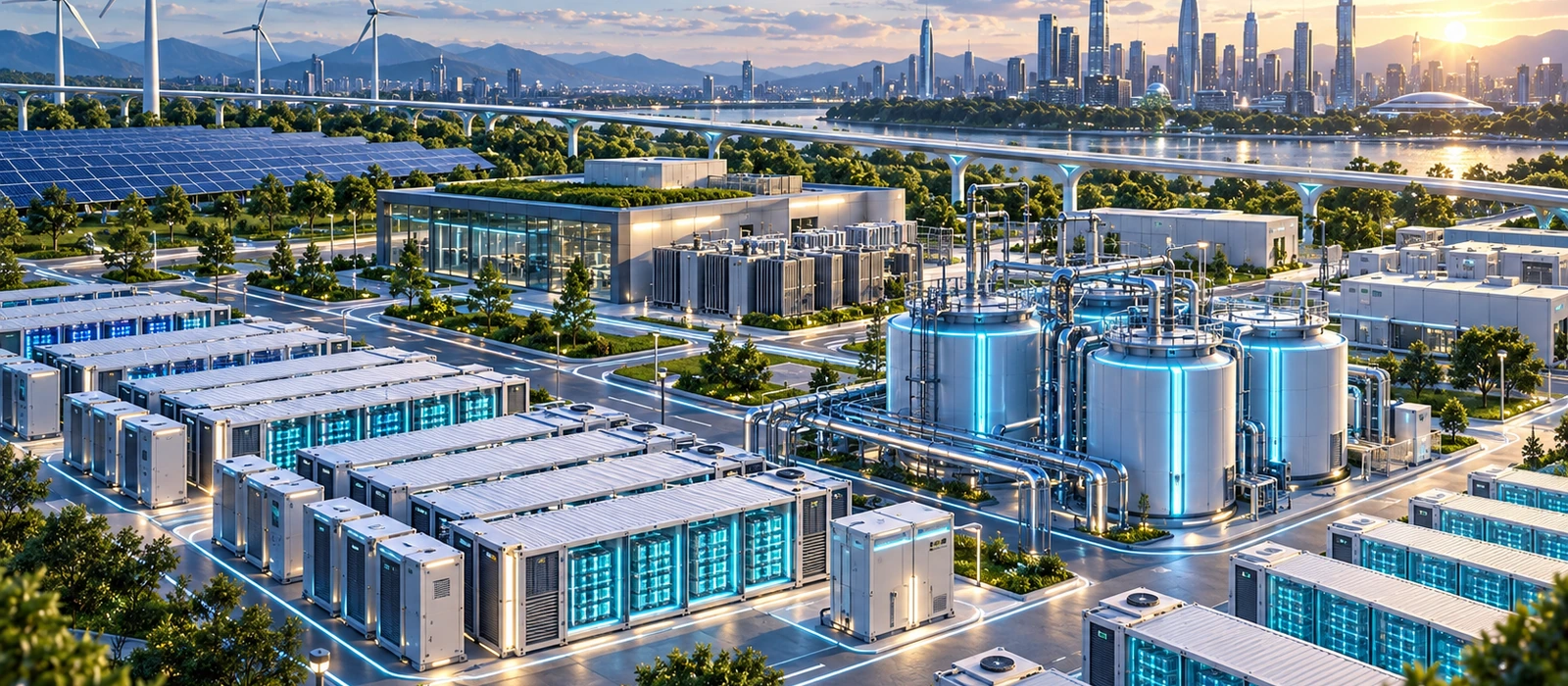
Large solar districts can combine high-efficiency photovoltaic generation, storage, grid interconnection, industrial loads, and regional resilience into one coordinated infrastructure system.
The upgraded page keeps the existing six areas while giving each one a distinct visual and clearer systems-engineering role.
Large generation districts positioned around strong irradiance, compatible land use, transmission access, environmental review, and nearby industrial or community demand.
Regional generation districts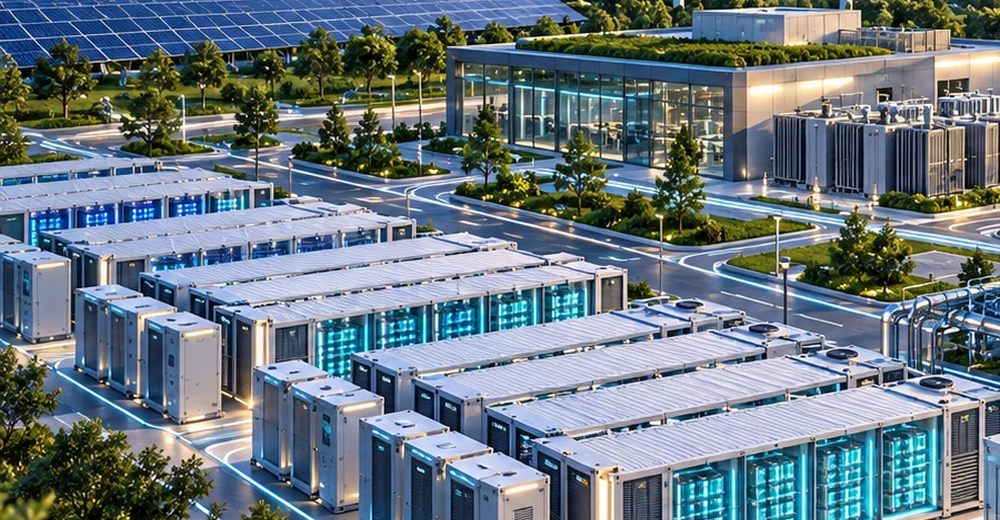
Tracking photovoltaic fields, high-density inverter architecture, service corridors, inspection access, and modular generation blocks designed for utility operations.
Tracking + modular PV fields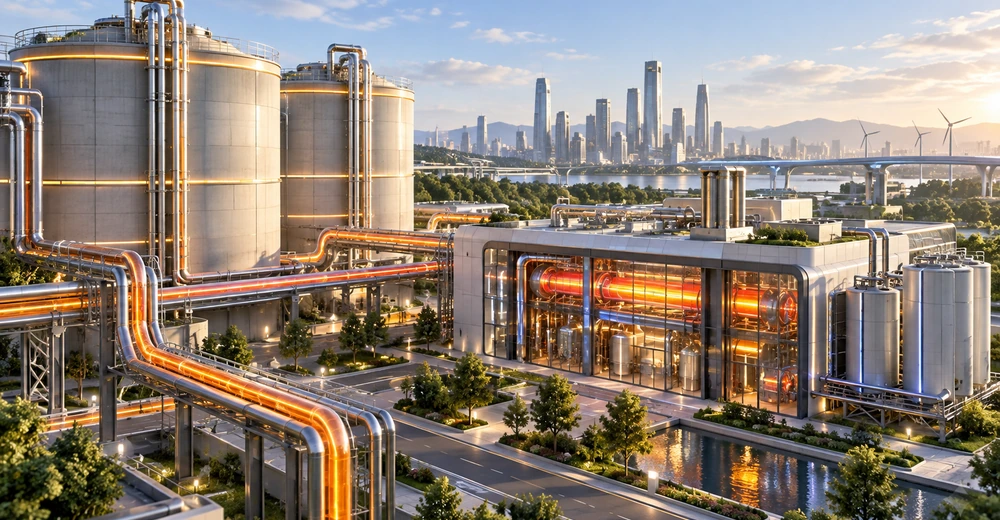
Concentrated solar and heat-capture pathways can support thermal storage, industrial process heat, desalination, or hybrid power systems where the resource fit is strong.
Heat capture + storage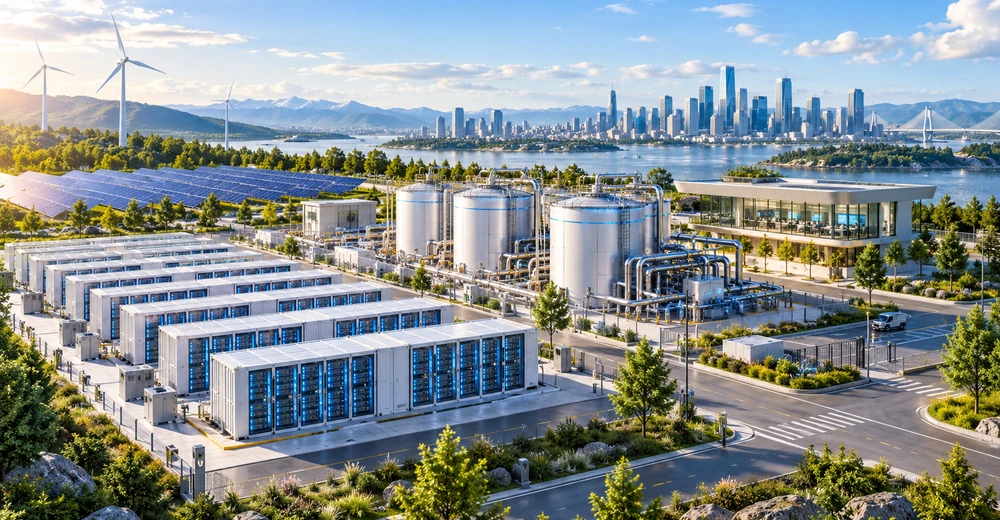
Battery, flow, thermal, and longer-duration storage systems shift daytime generation into evening demand, reserve service, continuity support, and grid balancing.
Battery Technology linked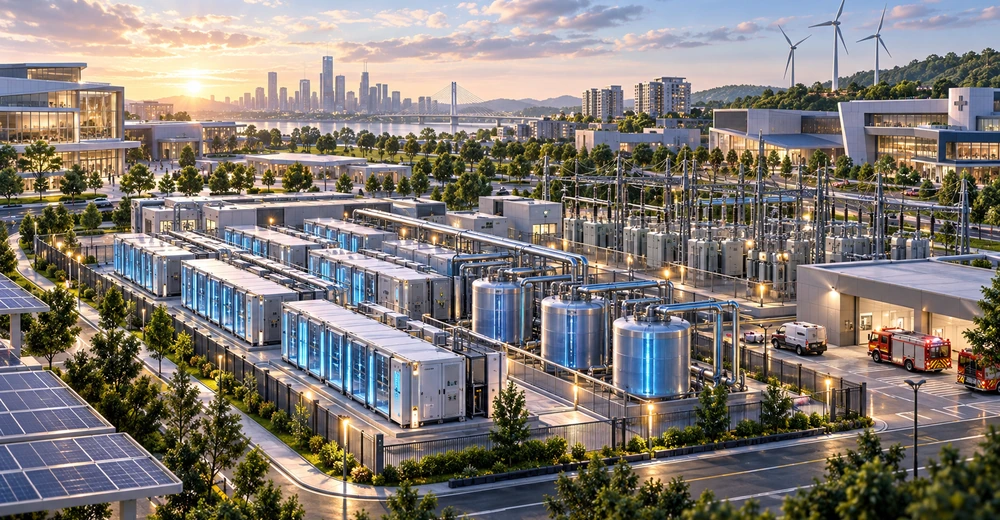
Substations, high-voltage corridors, protection systems, and regional grid interfaces move generation from high-resource zones to cities, campuses, and industrial loads.
Grid interface + delivery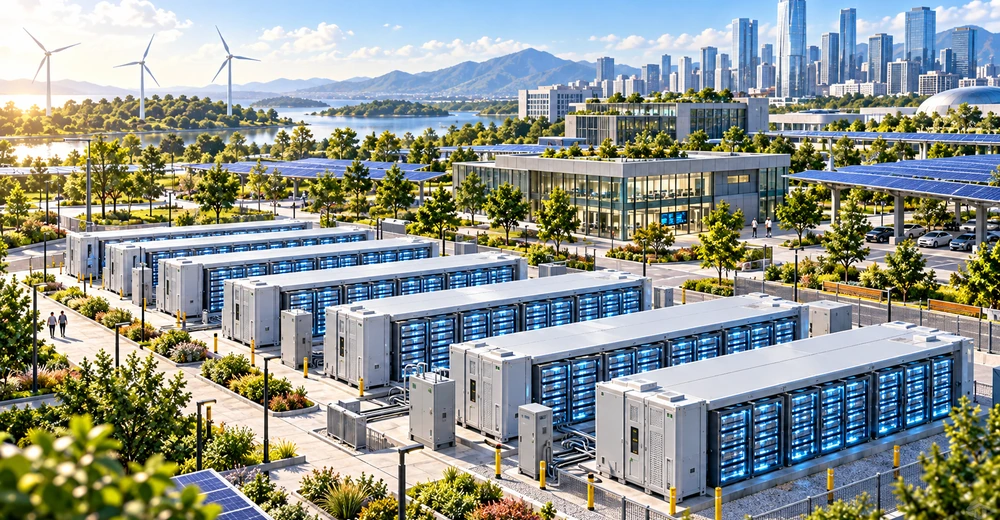
Public-safe siting considers irradiance, compatible land, service access, habitat and water constraints, transmission proximity, maintenance logistics, and lifecycle restoration.
Siting + stewardshipUtility solar connects directly with battery technology, wind generation, thermal storage, water systems, microgrids, resilient communities, and grid modernization. The architecture is intentionally technology-plural: different regions need different mixes.