Resource
Deep-Earth Heat Access
Public-facing concepts for accessing stable subsurface heat as a resilient energy resource, spanning naturally productive fields and advanced resource-access approaches.
Subsurface thermal resource AURORA DESIGN SYSTEMSEngineering Systems • Applied Research • Product ArchitectureContact
← Back to Sustainability & Infrastructure
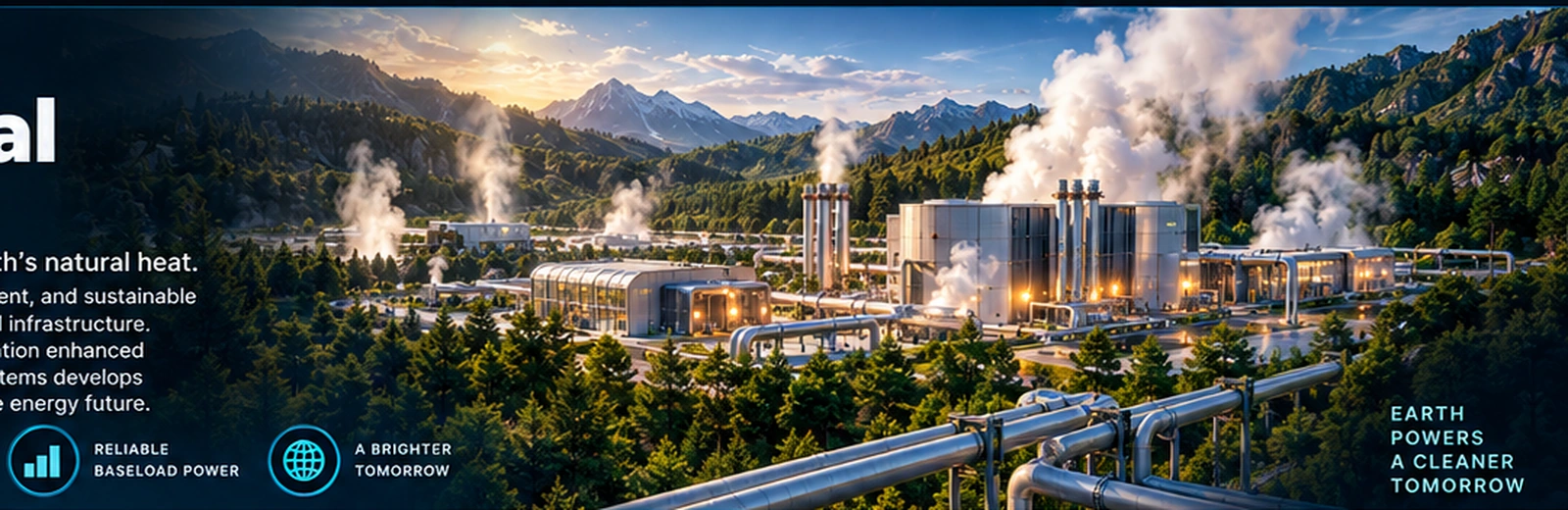
Geothermal infrastructure organizes deep-earth heat, district thermal loops, monitored fields, industrial process heat, and water-system integration into a resilient energy family that can complement solar, wind, storage, and community infrastructure.
The six original geothermal architecture areas are preserved, now with distinct visuals and clearer systems roles across community, industrial, and water infrastructure.
Public-facing concepts for accessing stable subsurface heat as a resilient energy resource, spanning naturally productive fields and advanced resource-access approaches.
Subsurface thermal resource
Thermal networks connect geothermal heat to campuses, neighborhoods, hospitals, public facilities, greenhouses, and industrial parks.
Community thermal networks
Closed-loop and conduit concepts move useful heat through civic and industrial infrastructure while keeping the public architecture modular and serviceable.
Closed-loop heat movement
High-level sensing and monitoring concepts track system health, thermal trends, equipment condition, and long-term maintenance needs without exposing proprietary controls.
Field health + maintenance
Geothermal heat can support facilities that need dependable thermal energy, including process loads, food systems, district utilities, and selected industrial applications.
Firm thermal energy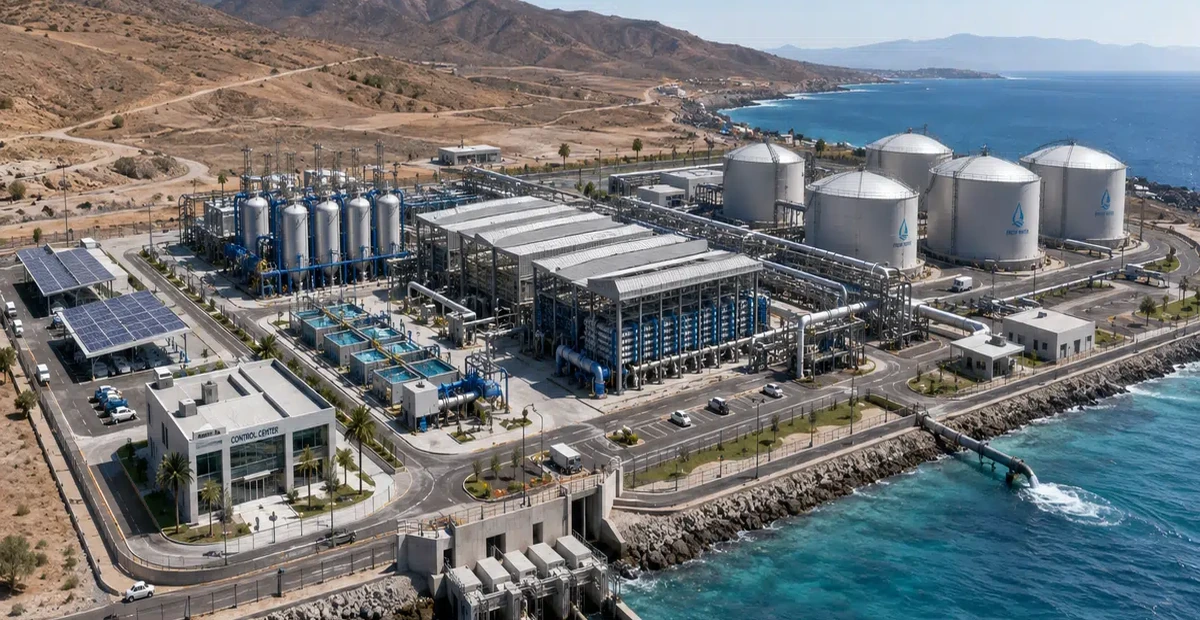
Geothermal heat can support desalination, wastewater, greenhouse, and food-hub infrastructure where water security and reliable thermal supply intersect.
Heat + water resilience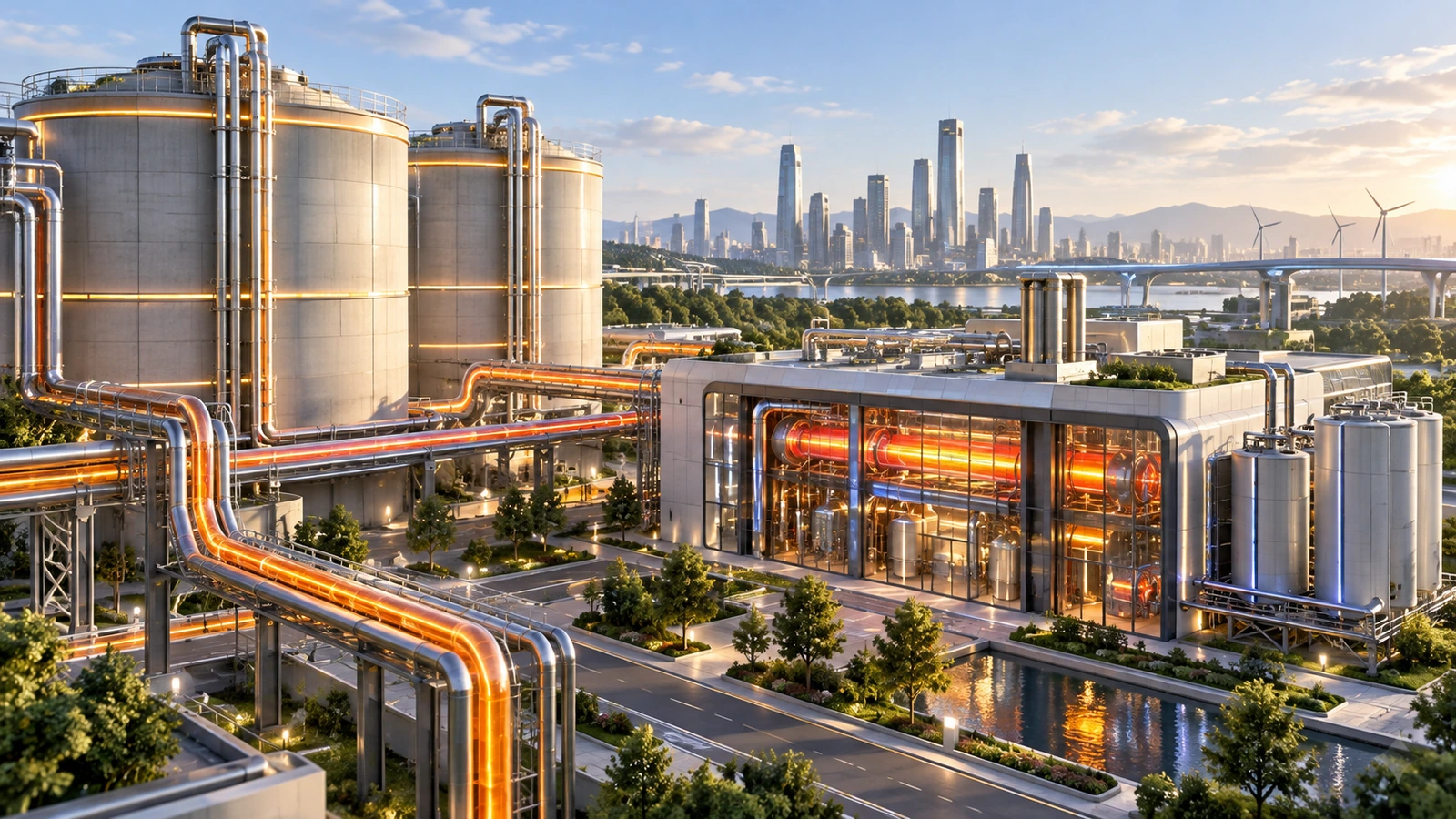
Geothermal works particularly well inside infrastructure portfolios where firm heat, thermal storage, district loops, and industrial loads must operate together across long duty cycles.
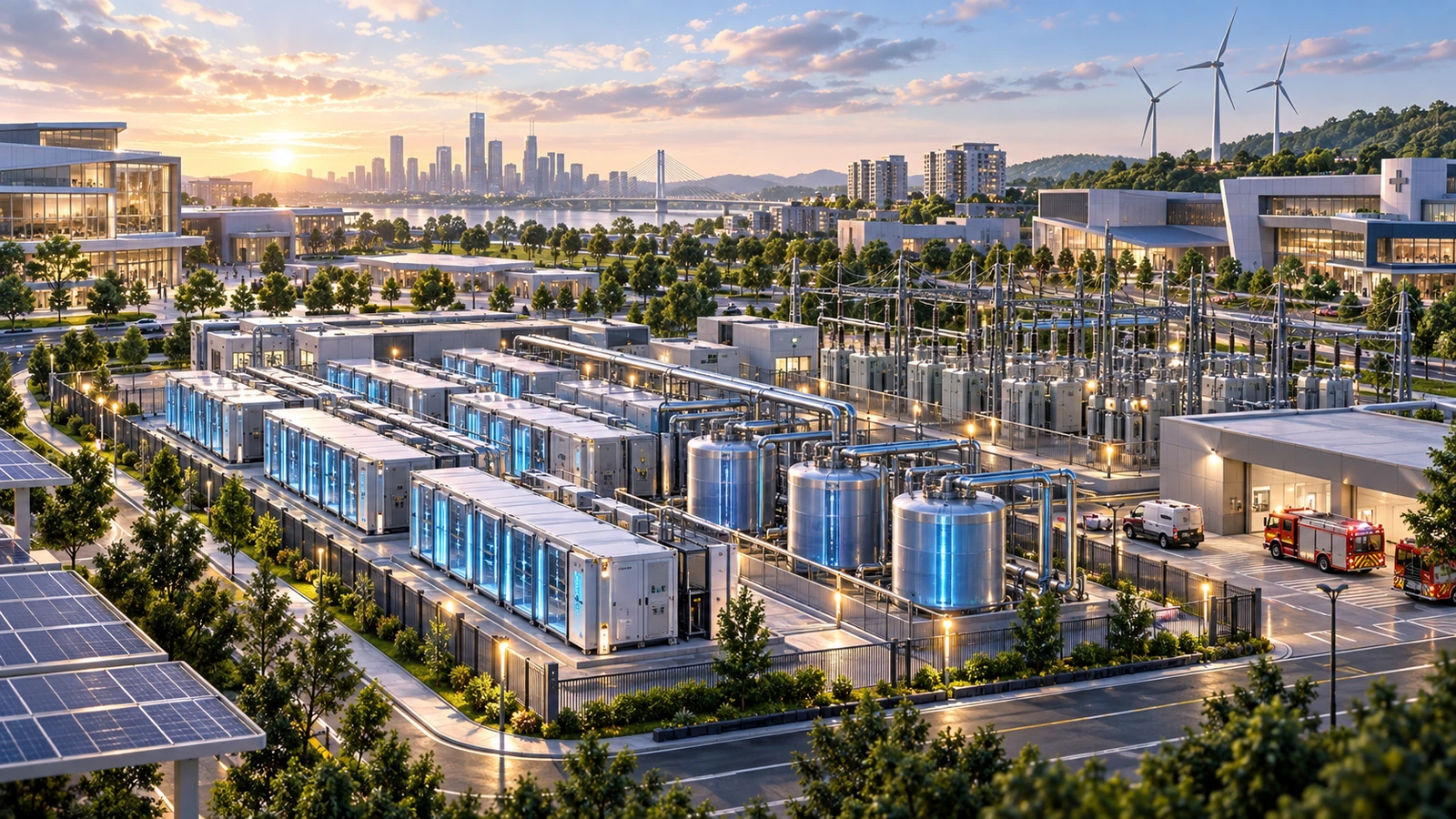
Geothermal complements variable renewable generation by adding steady thermal resources, district-scale services, and resilient infrastructure support for communities and critical facilities.
Resource temperature, geology, thermal demand, water demand, infrastructure density, and lifecycle requirements determine whether a project emphasizes electricity, direct-use heat, district loops, water systems, or hybrid infrastructure.