
Engineering
Systems
Standalone technical architecture for mechanical, optical, electrical, materials, software/AI/computational, bioengineering & biosynthesis, prototyping, and cross-project engineering development.
Open Engineering Site ↗Aurora Design Systems advances integrated architectures across science, engineering, applied research, product development, and long-horizon technology programs. Start with twelve featured programs or continue into the complete division map below.
A visual engineering resume spanning mechanical, electrical/EWIS, optical/photonic, aerospace, semiconductor, defense, deep-ocean, and multidisciplinary systems work.
View Digital Work Portfolio →These cards do not replace the existing Systems divisions. They are direct shortcuts into mature or fast-growing programs that otherwise sit several layers deep inside the full technical site.

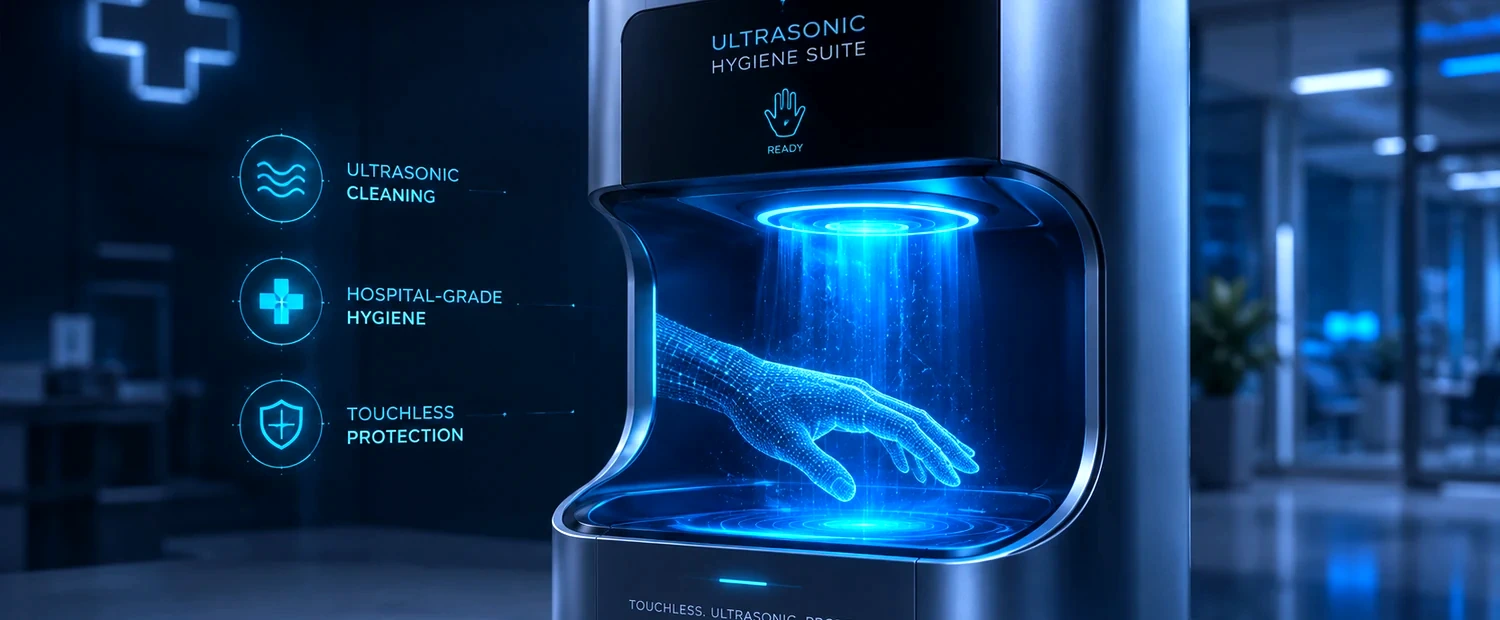
A product family exploring controlled ultrasonic cleaning for showering, textiles, dishwashing, drying, water reduction, closed-loop sensing, and accessible hygiene.

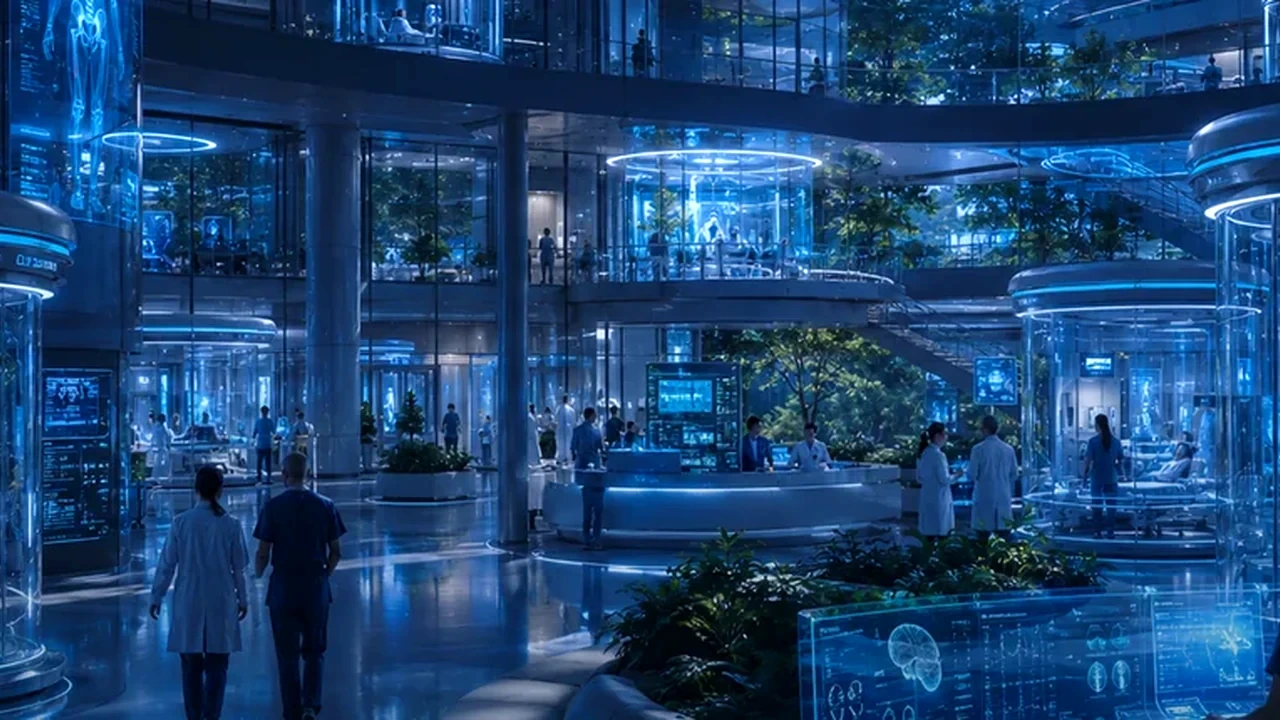
Advanced hospital architecture spanning emergency medicine, surgical systems, regenerative care, diagnostics, biosecurity, AI support, research, and off-world medicine.

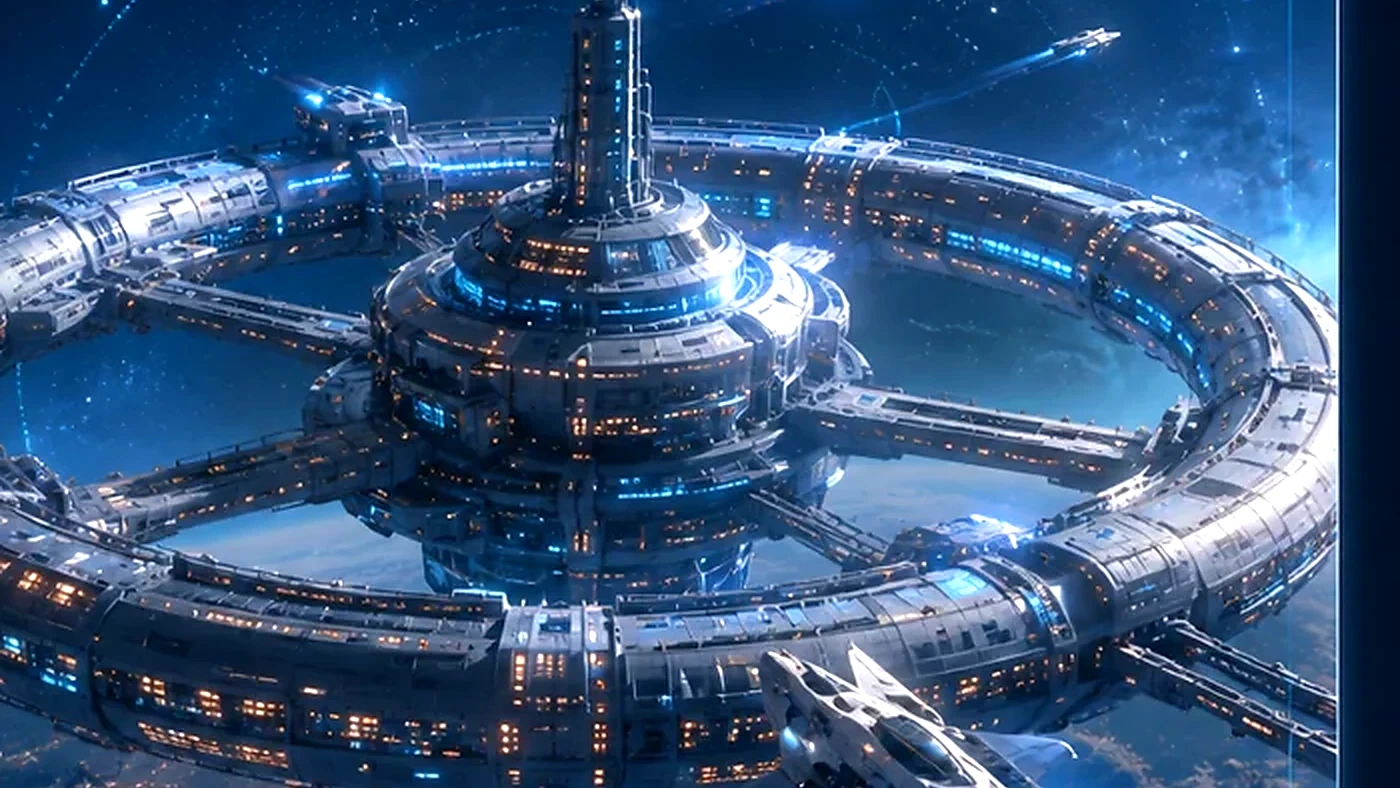
Orbital habitat architecture integrating power, logistics, medicine, industry, agriculture, governance, transportation, research, and long-duration human settlement.

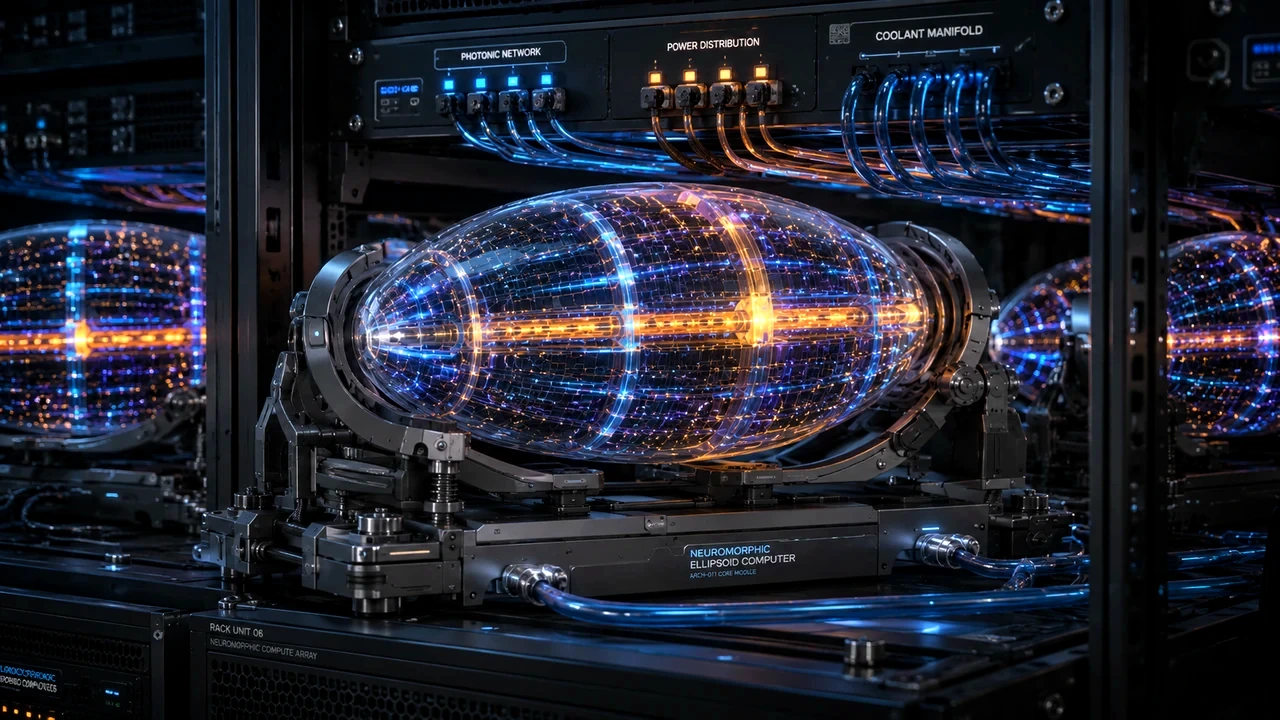
Event-driven cognition, heterogeneous compute abstraction, neuromorphic and photonic pathways, memory, sensor integration, safety governance, and human authority.

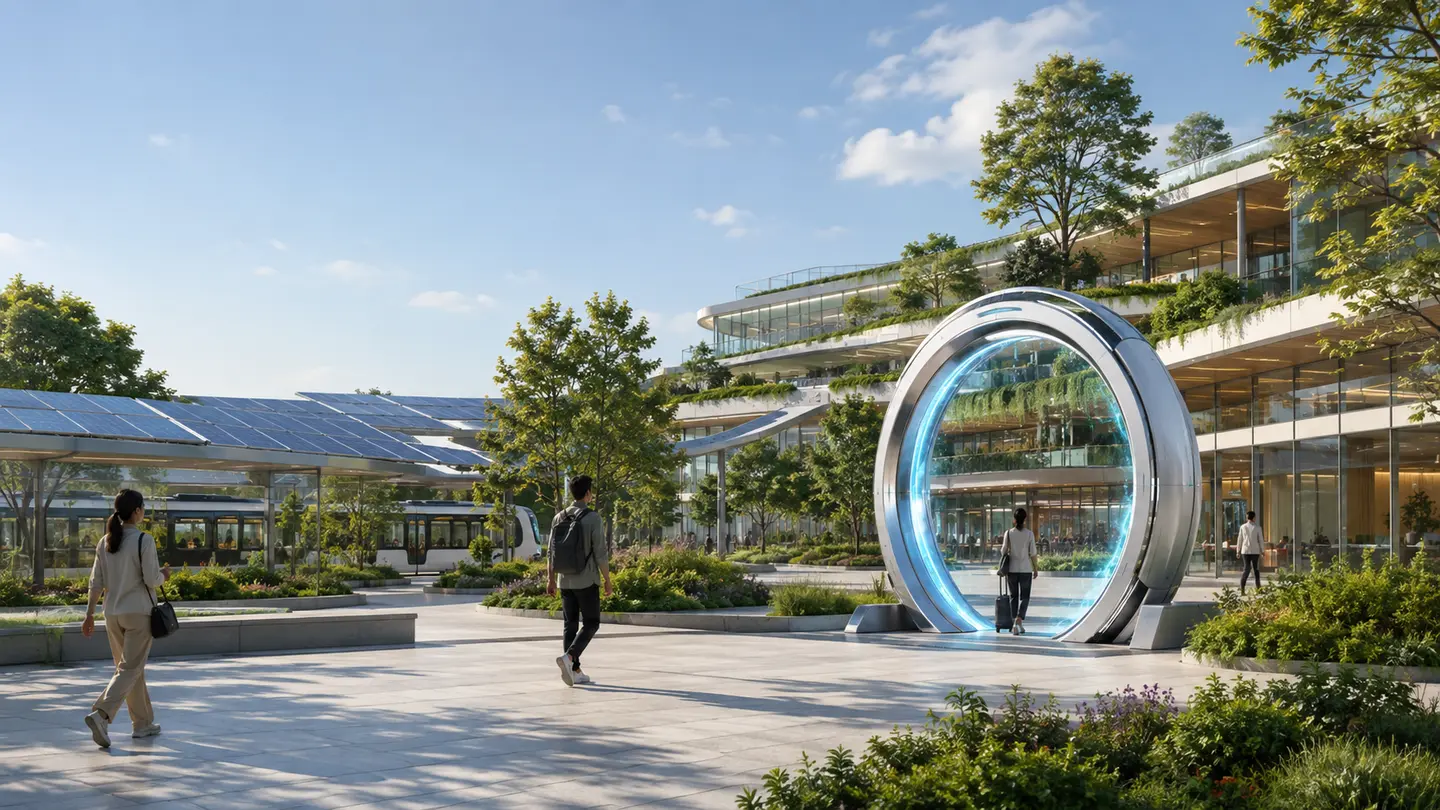
P1–P10 portal families, passenger and cargo networks, global destinations, operator consoles, safety architecture, industrial deployment, and controlled off-world expansion.

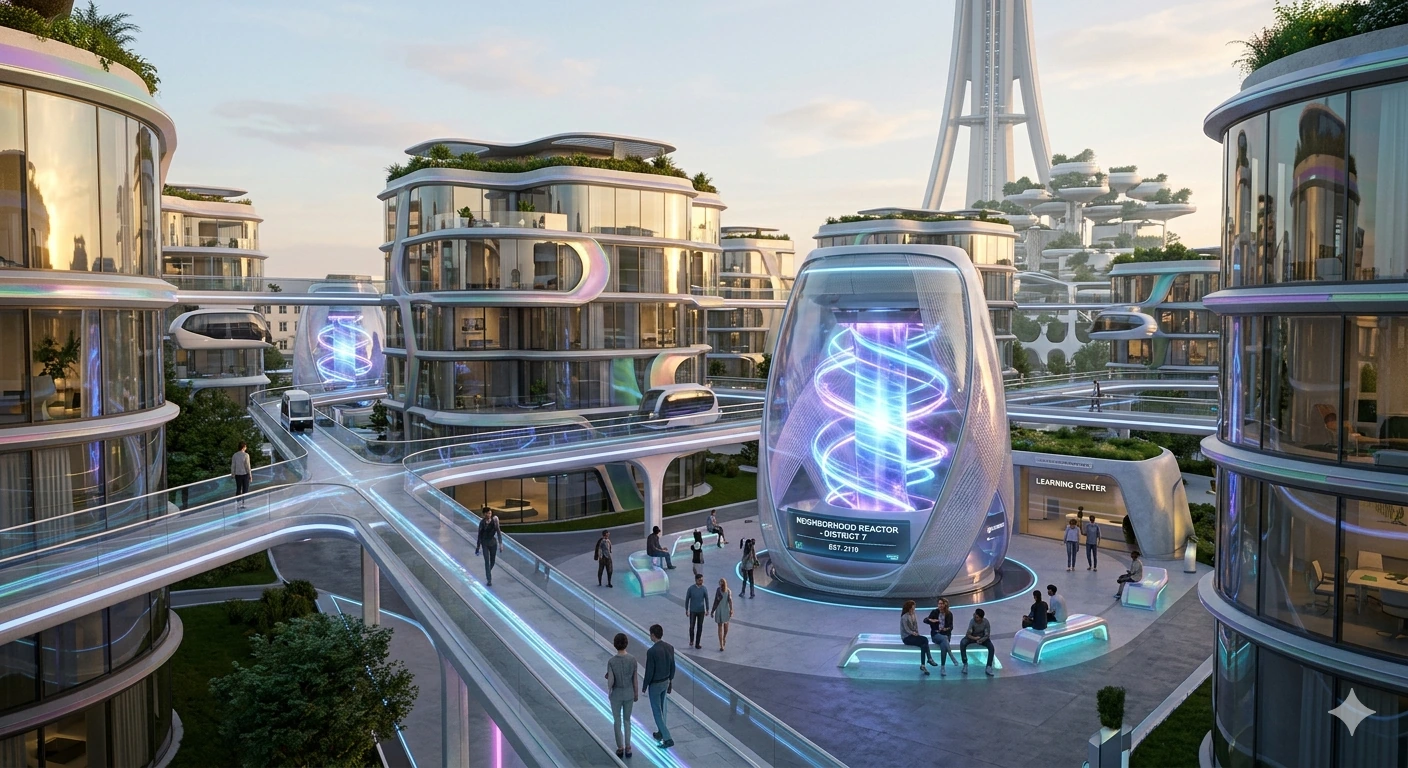
Distributed Energy Nodes, microgrid continuity, passive-safety philosophy, lifecycle stewardship, authorized service architecture, and resilient power for communities and critical infrastructure.

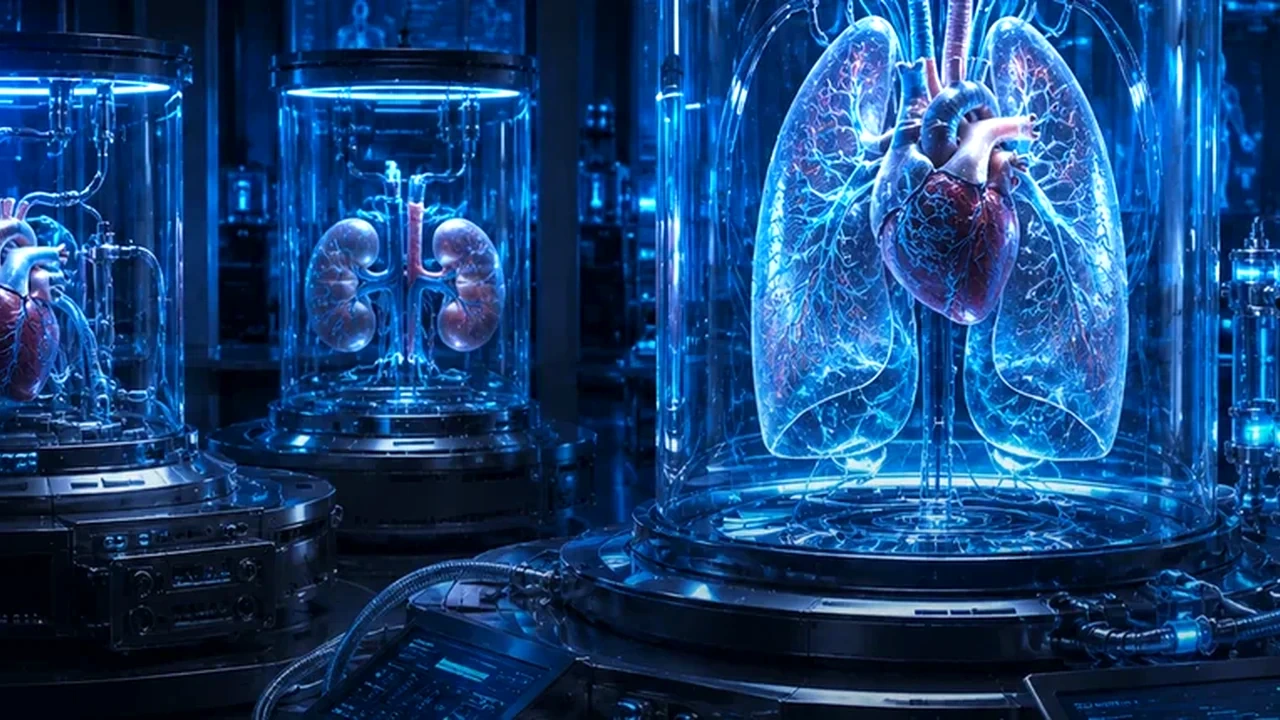
Biofabrication, regenerative medicine, cellular scaffolding, organ assembly, neural interfaces, biomaterials, diagnostics, and enabling clinical-manufacturing systems.

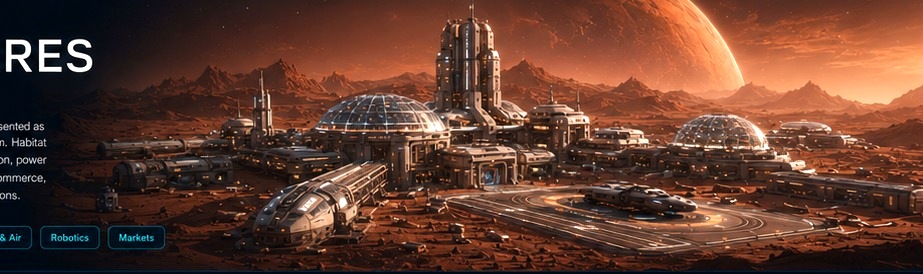
Integrated Mars settlement systems for habitats, power, water, food, transportation, medical response, autonomy, logistics, ISRU, governance, and resilient expansion.

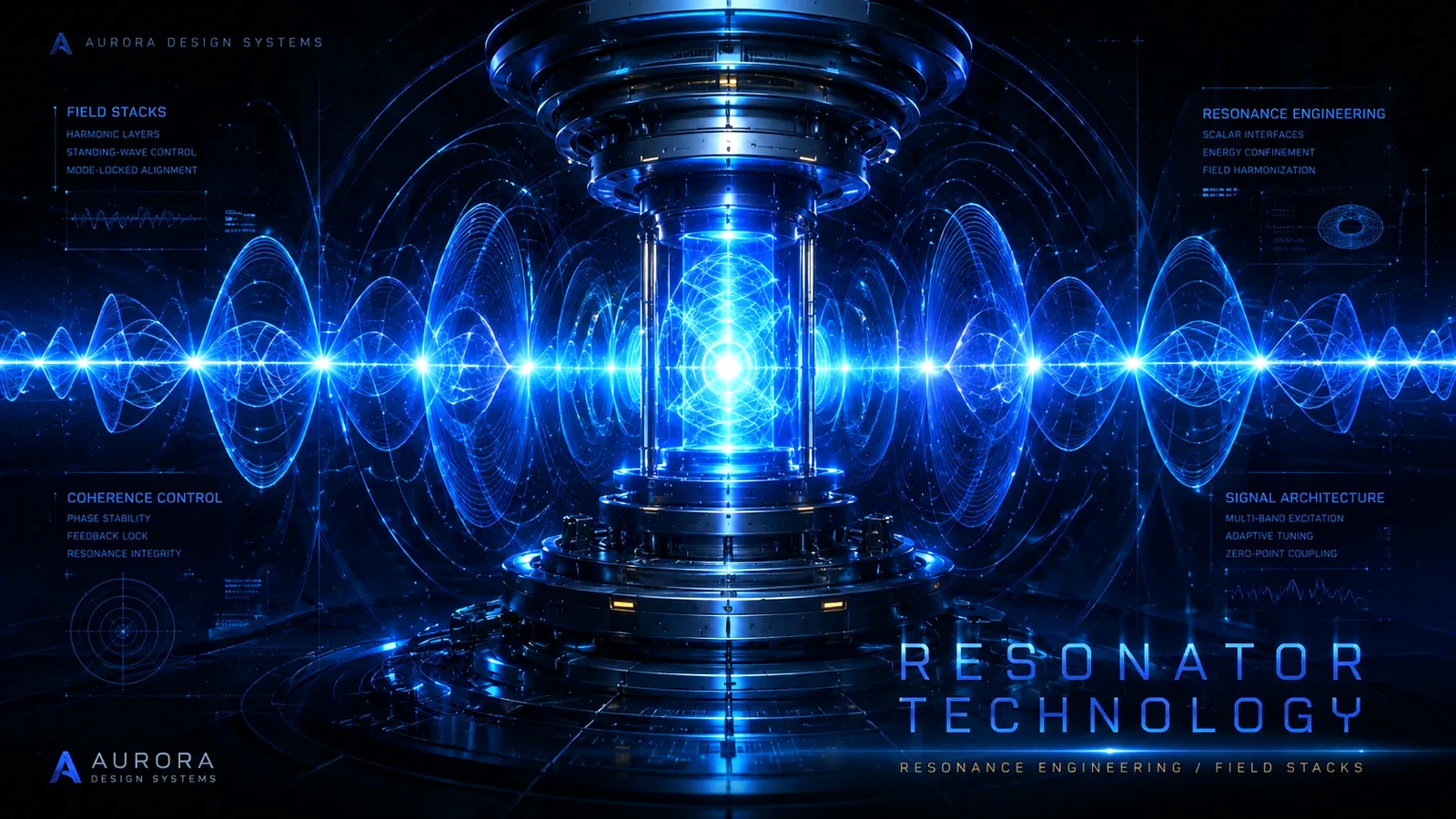
Frequency-domain devices, sensing, photonics, human interfaces, X-series architectures, and public-safe research pathways across the Resonator technology family.

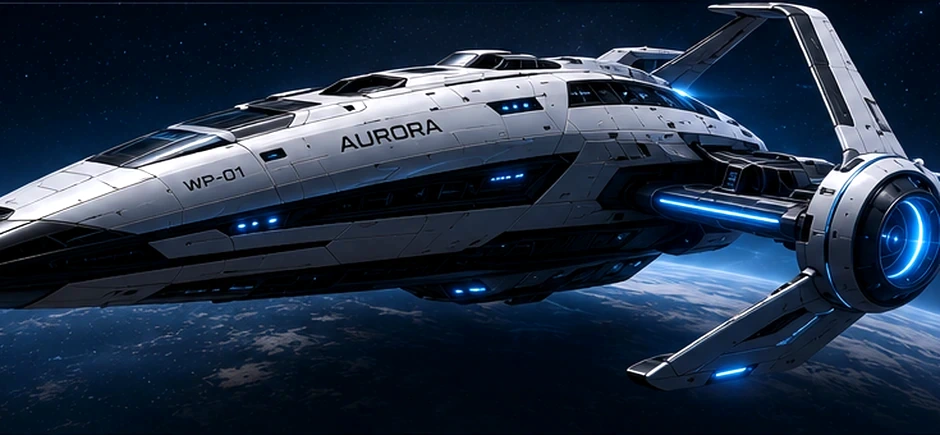
Field-test architecture, staged warp probes, transition monitoring, materials exposure, stability validation, and the roadmap toward an unmanned FTL demonstrator.

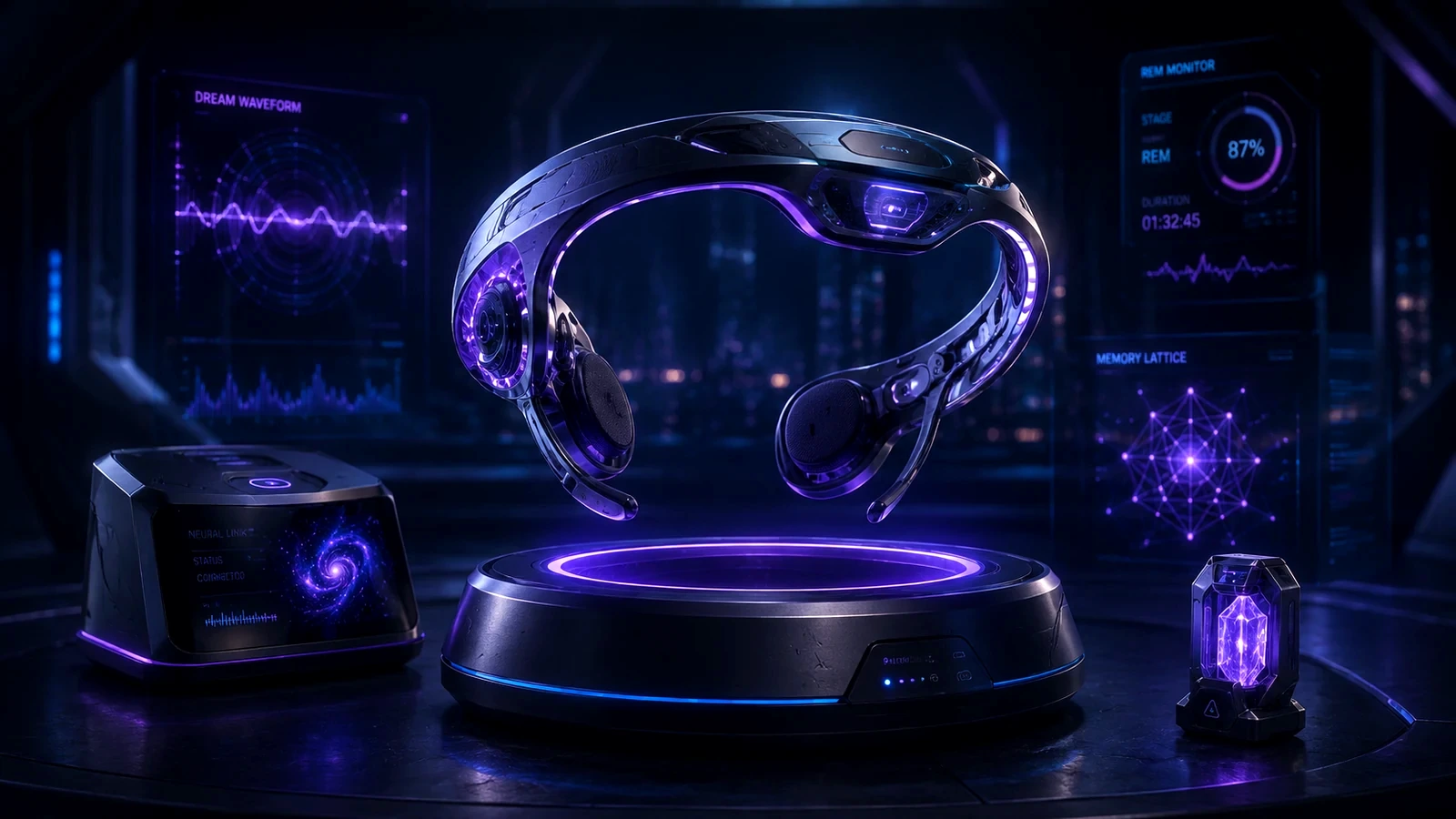
Neural dream capture, reconstruction, DreamShield safety, consent control, edge processing, monitoring, and a Systems-side device architecture gateway.

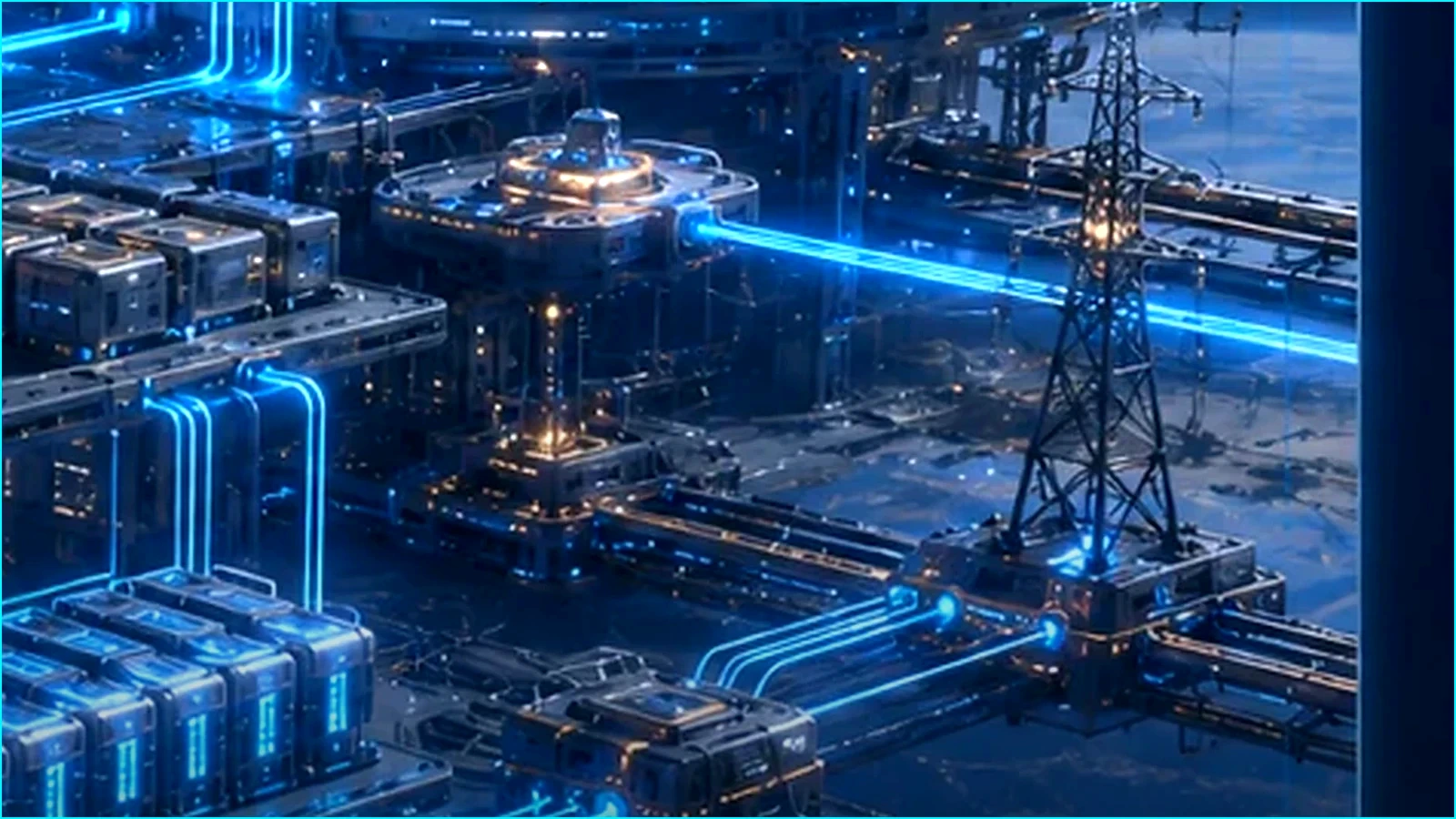
A cross-division gateway for layered power, storage, resilient microgrids, reactors, geothermal, solar, orbital power, planetary-base energy, and safety architecture.
The original division structure remains available below and as a preserved standalone page.
Standalone technical architecture for mechanical, optical, electrical, materials, software/AI/computational, bioengineering & biosynthesis, prototyping, and cross-project engineering development.
Open Engineering Site ↗Artificial intelligence, semantic engineering, neuromorphic systems, photonic computing, indoor navigation, and responsible human-AI engineering frameworks.
Enter Division →Medical-device concepts, biosystems, SVOS, MitoSynthesis™, regenerative technologies, sensory systems, and public medical platform summaries.
Enter Division →Orbital infrastructure, habitats, zero-gravity products, utility systems, and communications architecture for life and work beyond Earth.
Enter Division →Deep-ocean vehicles, ROVs, autonomous underwater systems, oceanographic instrumentation, seafloor infrastructure, subsea robotics, rescue, offshore systems, environmental monitoring, and advanced undersea concepts.
Enter Division →Resilient energy, transportation, planetary restoration, environmental sensing, distributed power research, and infrastructure continuity planning.
Enter Division →Theoretical physics, advanced modeling, systems theory, experimental frameworks, and long-horizon technology foundations.
Enter Division →Knowledge graphs, memory architecture, human-machine interfaces, comprehension frameworks, and learning infrastructure.
Enter Division →Product-facing systems, manufacturable concepts, licensing candidates, and applied commercial hardware.
Enter Division →IP management, licensing framework, business development, strategic partnerships, and rights administration.
Enter Division →