Architecture Role
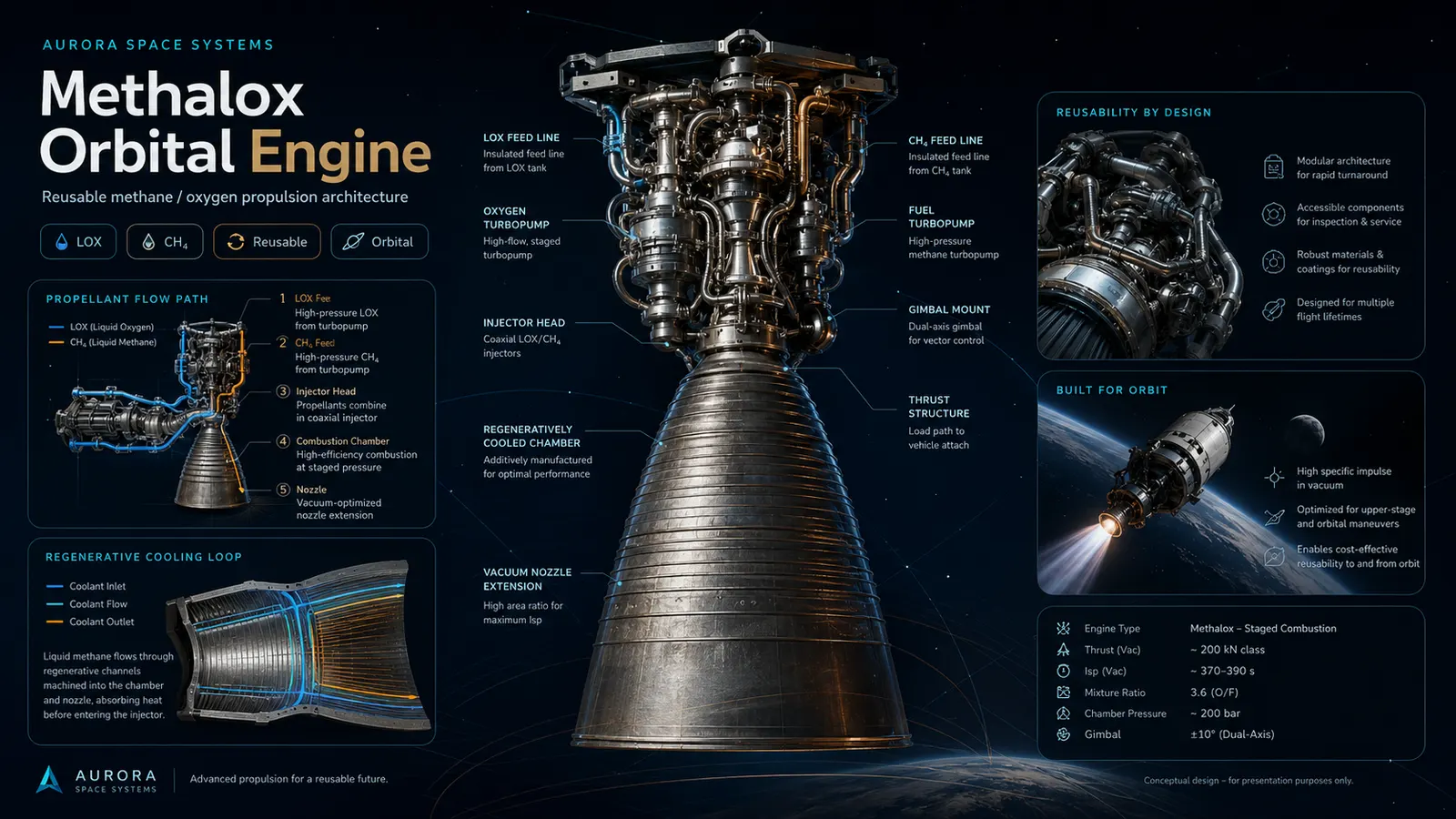
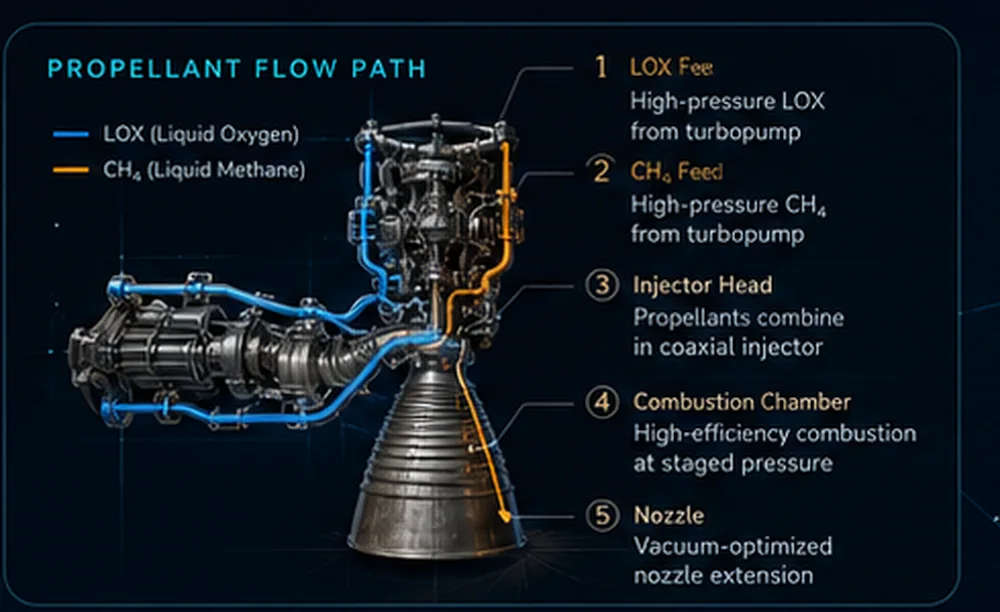
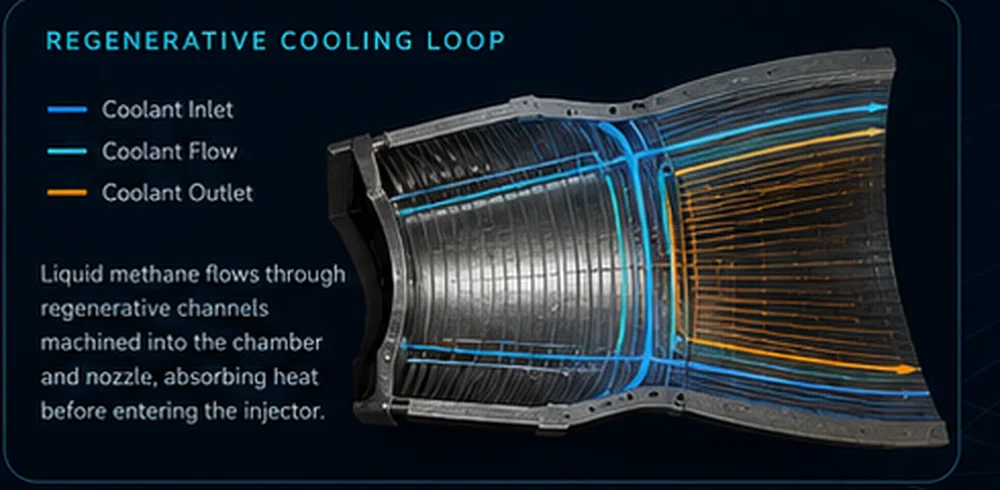
The system overview page is the front door for the methalox architecture. It is deliberately framed at the subsystem and integration level so a propulsion engineer can see that the concept is not just a nozzle sketch. The page shows what must be coordinated before any engine can become real hardware: propellant delivery, turbomachinery packaging, combustion stability, regenerative cooling, thrust load paths, gimbal interfaces, controls, manufacturing access, test strategy, and reusability.
The safest public posture is to show the architecture vocabulary without pretending that the engine has verified performance. That matters for a Blue Origin conversation because experienced engineers will immediately separate credible systems thinking from fantasy numbers. The page therefore avoids fixed thrust, chamber pressure, mixture ratio, and specific impulse claims unless those values are clearly marked as placeholders or remain omitted.
Subsystem Focus
Professional Discussion Frame
For a technical audience, the strongest posture is to discuss interfaces, requirements flow-down, failure modes, manufacturability, inspection access, and verification strategy. That keeps the conversation grounded and prevents the page from sounding like unsupported propulsion claims.