Recovery Infrastructure
Material Recovery Parks
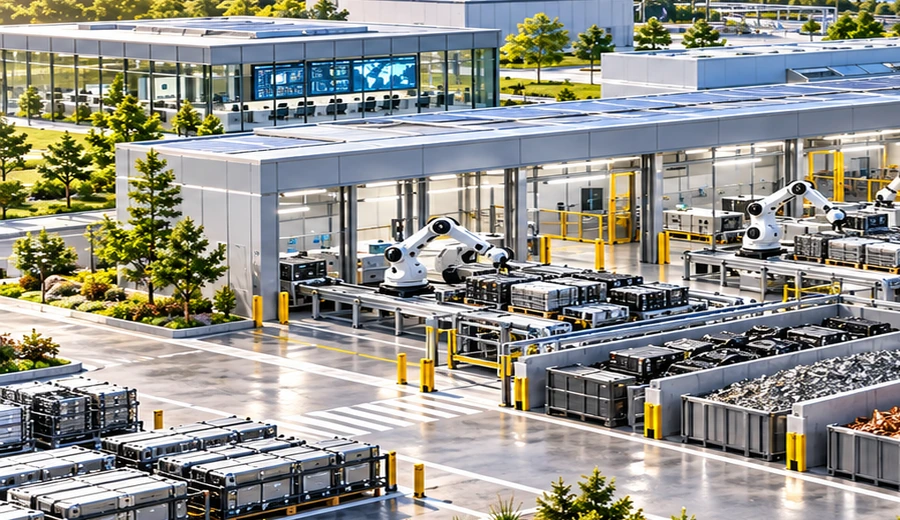
Regional facilities combining sorting, robotics, preprocessing, reuse markets, and recovered industrial feedstocks.
Regional hubsRecovered feedstocks
 AURORA DESIGN SYSTEMSEngineering Systems • Applied Research • Product ArchitectureContact
← Back to Sustainability & Infrastructure
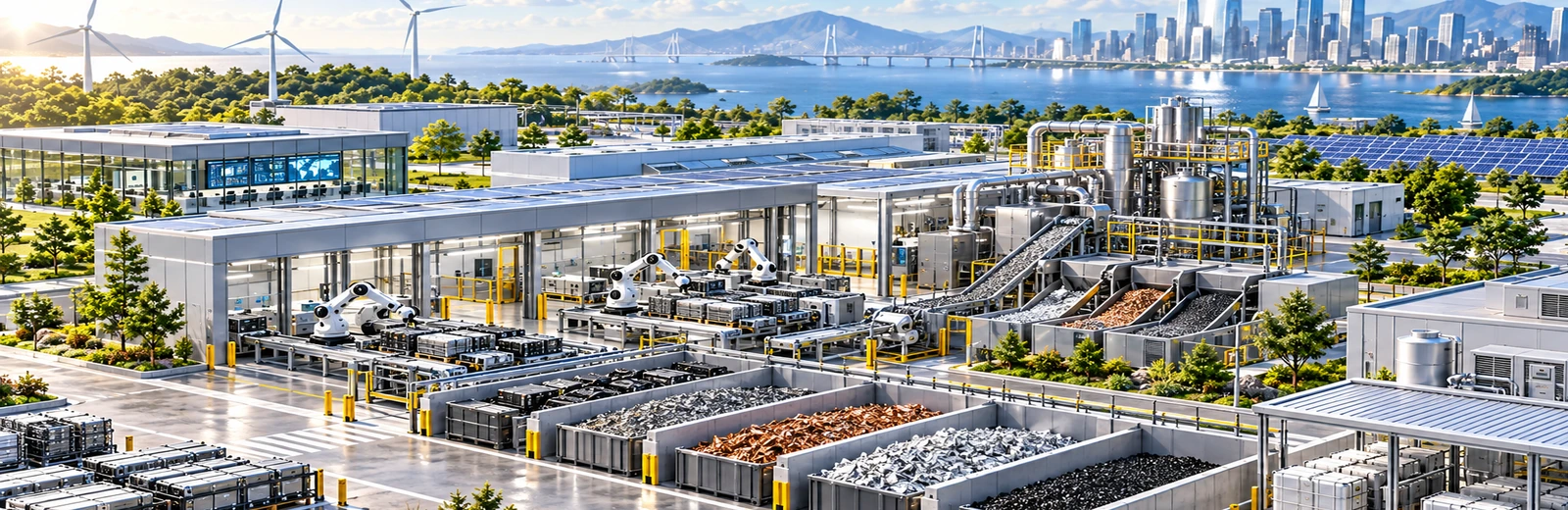
The six existing architecture areas are preserved and upgraded with distinct visual roles rather than replacing the established program structure.
Regional facilities combining sorting, robotics, preprocessing, reuse markets, and recovered industrial feedstocks.
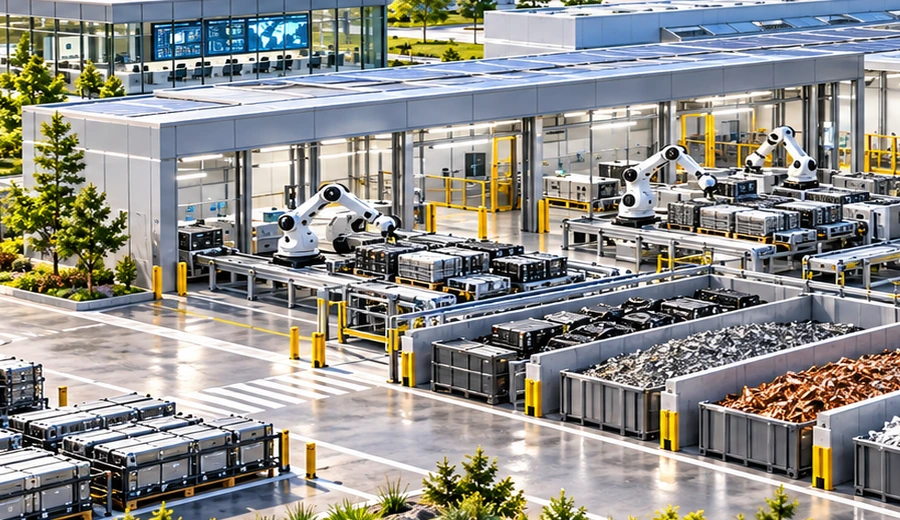
Electronics, motors, circuit boards, wiring, and device streams treated as strategic material inventories rather than landfill burden.
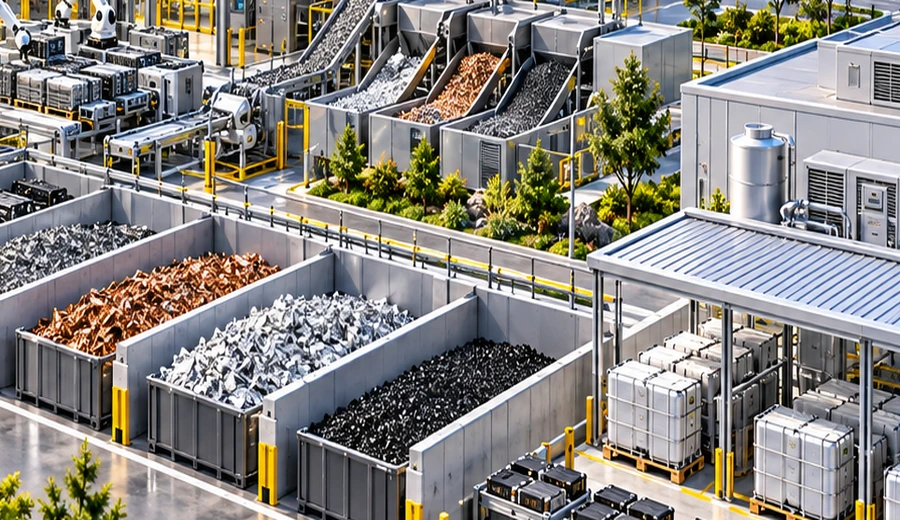
Strategic recovery pathways for batteries, magnets, copper, aluminum, nickel-bearing materials, and other high-value industrial streams.
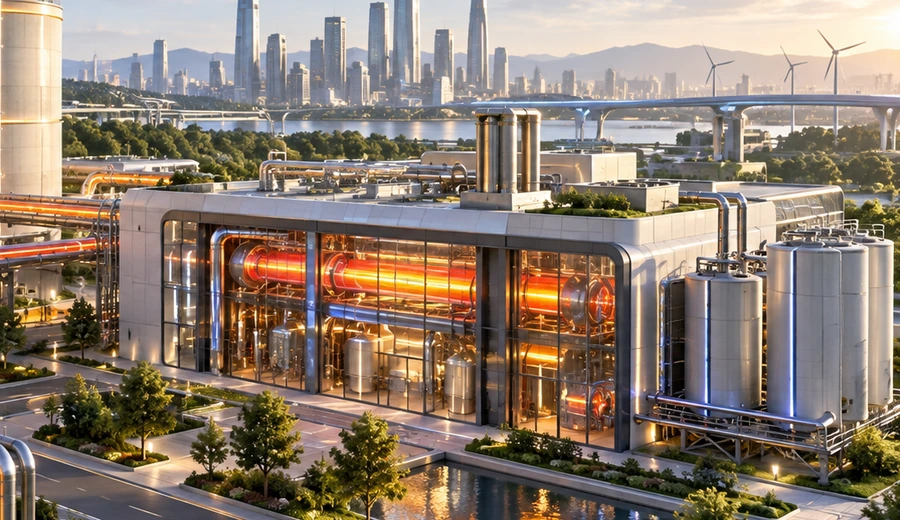
Public-facing concepts for sorting, reuse, mechanical reprocessing, and controlled chemical-recycling pathways without publishing operating recipes.
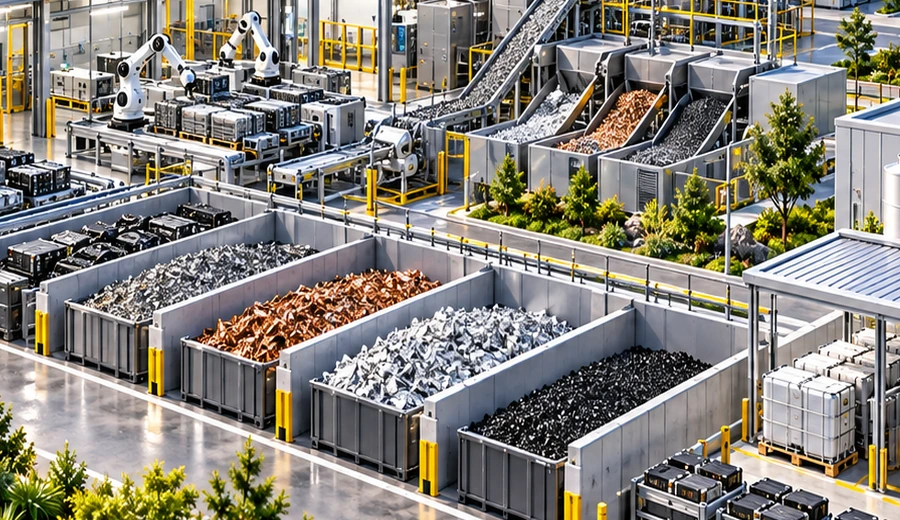
Concrete, steel, aluminum, wood, glass, fixtures, and assemblies returned to useful infrastructure supply chains where practical.
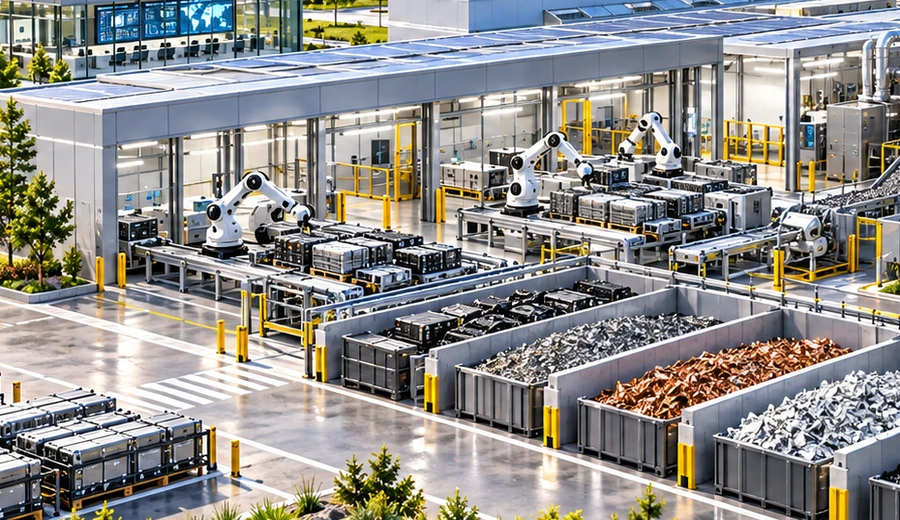
Machine vision, robotics, sensor fusion, and facility automation improve separation quality, throughput, traceability, and worker safety.
Circular infrastructure only works when recovery, logistics, manufacturing, construction, energy, and procurement are designed as one lifecycle system.
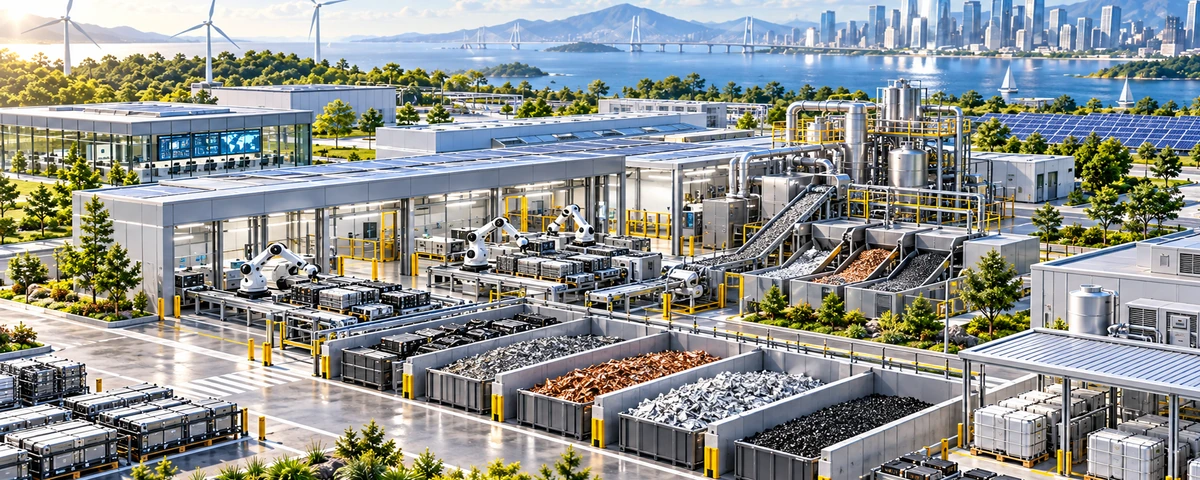
Collection, automated sorting, material characterization, preprocessing, recovered-feedstock staging, and outbound logistics can operate as one coordinated regional platform.
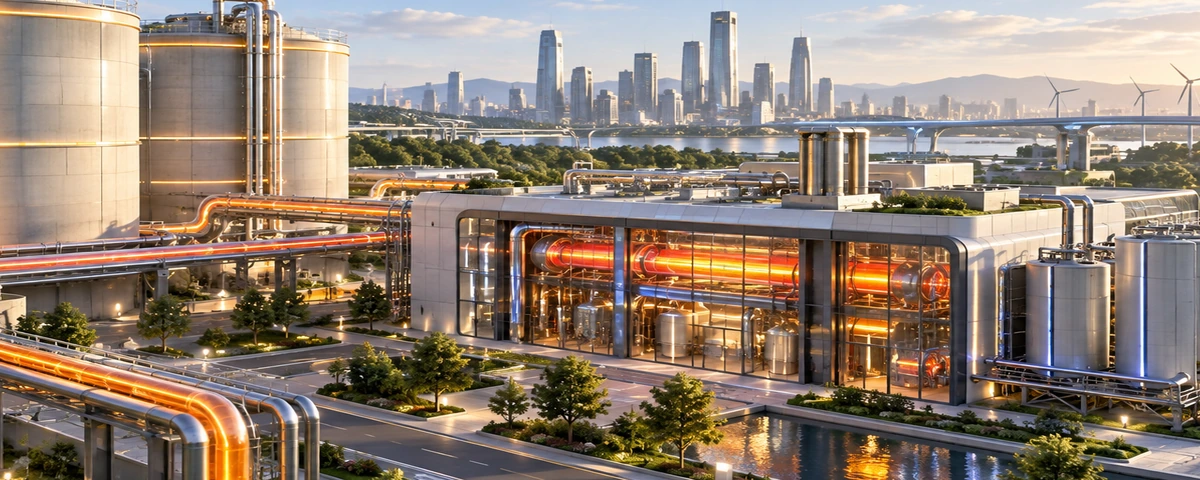
Recovered materials reconnect to manufacturing, construction, battery supply chains, and infrastructure programs rather than ending at the facility gate.
Circular materials connect directly to batteries, transportation, buildings, food systems, and water infrastructure.