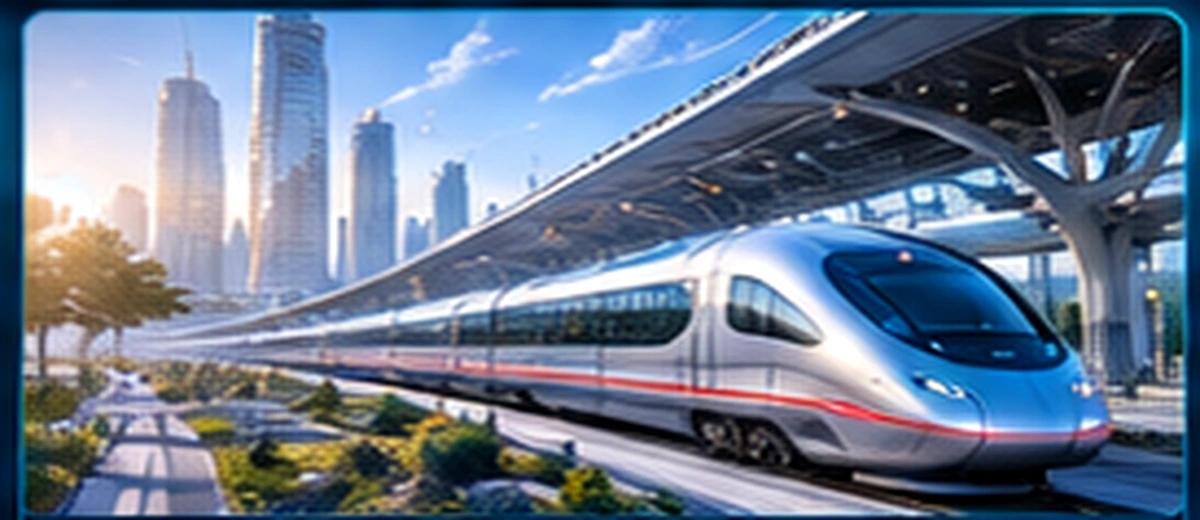
01 / Intercity
High-Speed Rail Systems
Dedicated, high-capacity intercity rail corridors connect major population centers while reducing road and short-haul air demand.
Open High-Speed Rail → AURORA DESIGN SYSTEMSEngineering Systems • Applied Research • Product ArchitectureContact
← Back to Sustainability & Infrastructure
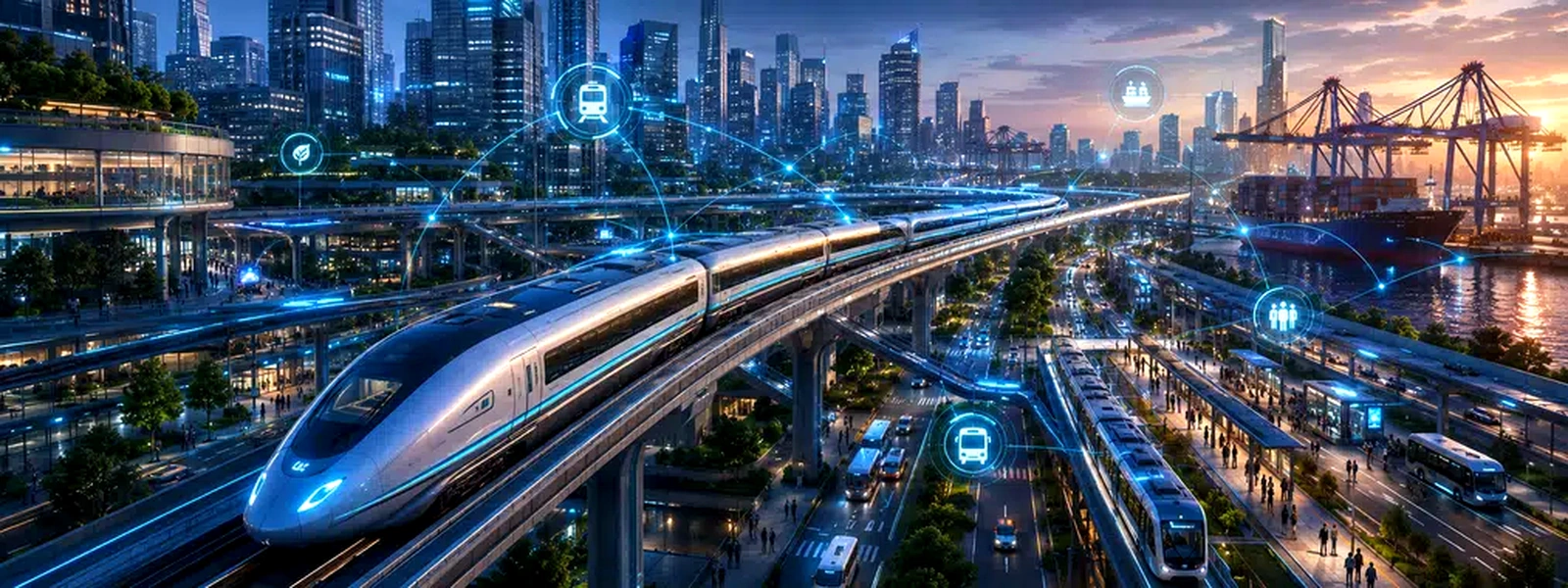
Transportation is treated as a connected infrastructure system: high-speed and regional rail, urban transit, commuter networks, advanced corridors, resilient logistics, and modern ports working together with energy, bridges, housing, and emergency continuity.
The six established Transportation & Mobility branches are preserved and upgraded with clearer visual roles. Portal Planet is no longer presented as an Aurora Design Systems transportation branch.
Dedicated, high-capacity intercity rail corridors connect major population centers while reducing road and short-haul air demand.
Open High-Speed Rail →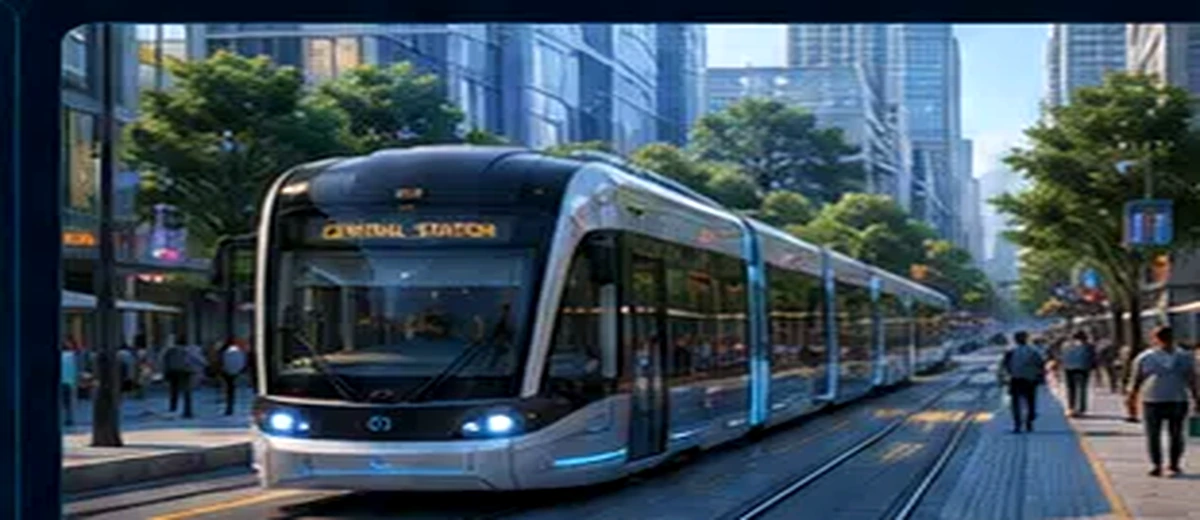
Modern tram and light-rail systems provide visible, frequent service inside dense districts and connect neighborhoods to larger regional networks.
Open Light Rail →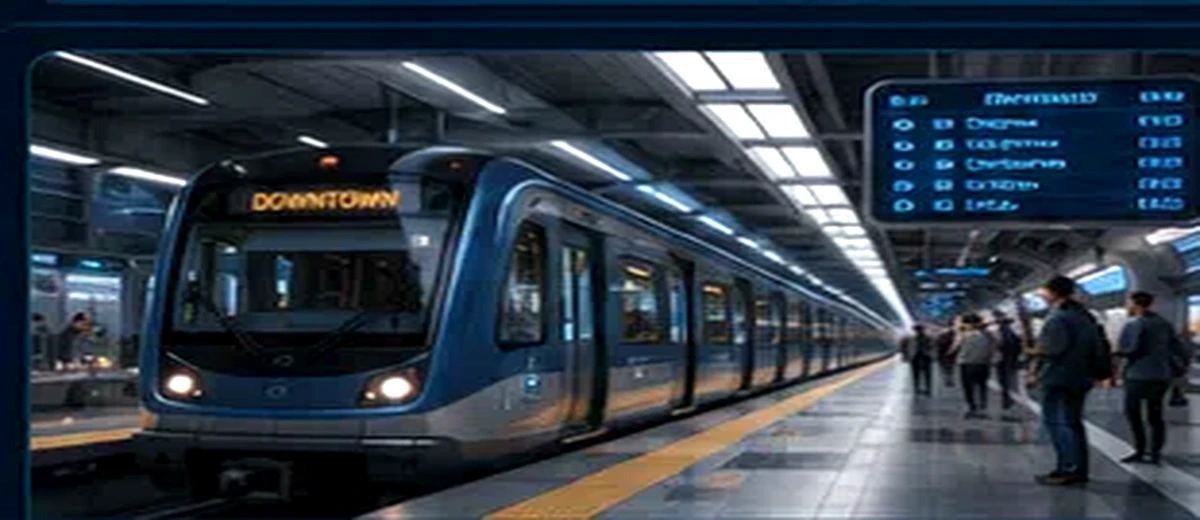
City and suburban rail systems combine dependable service, station modernization, real-time operations, and regional access.
Open Metro & Commuter →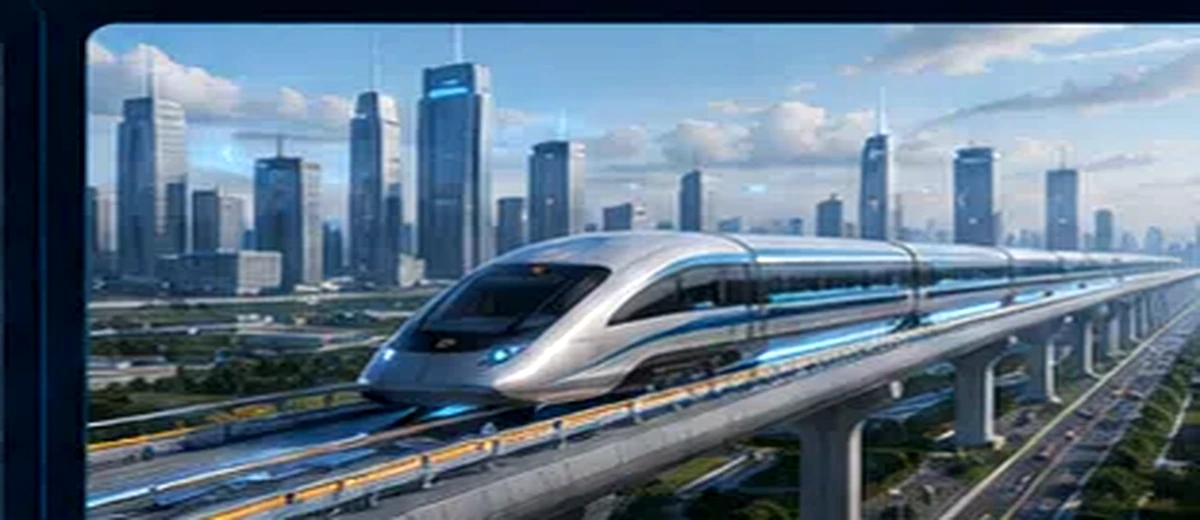
Advanced magnetic-levitation corridors explore very-high-speed regional mobility where demand, alignment, and infrastructure investment justify specialized systems.
Open Maglev →
Passenger, freight, road, rail, and distribution infrastructure are coordinated for redundancy, emergency continuity, and stronger supply chains.
Open Logistics Corridors →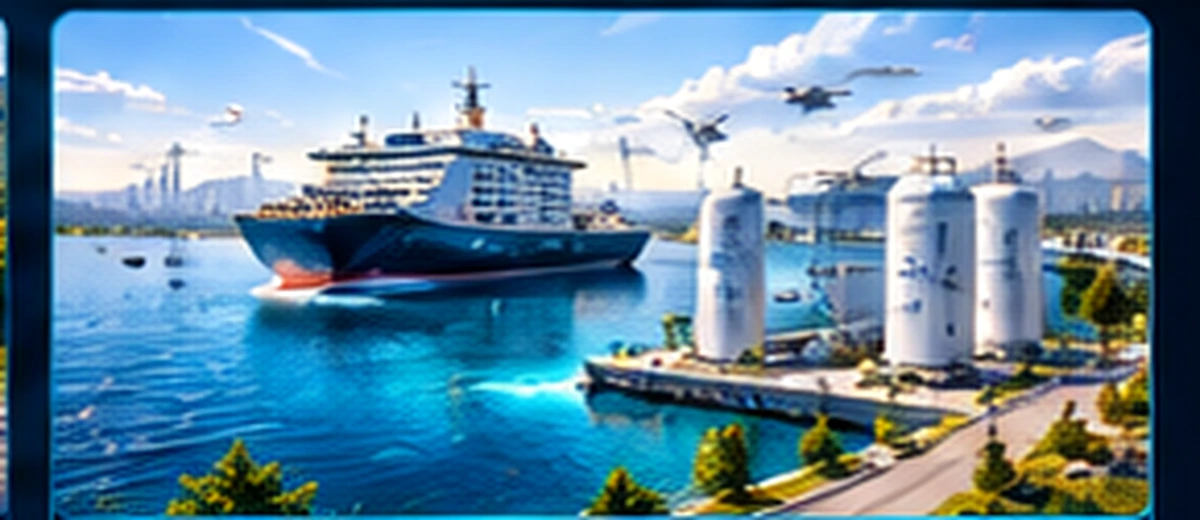
Smart ports connect maritime freight with rail, road, storage, energy, digital operations, and resilient regional logistics networks.
Open Ports & Maritime →Rail, road, ports, freight terminals, pedestrian access, transit hubs, bridges, and critical services perform best when planned as one mobility network rather than isolated assets.
Electric transit, station systems, logistics centers, ports, signaling, charging, communications, and emergency operations all benefit from diversified generation and storage.
Transportation architecture must balance throughput, passenger access, freight movement, redundancy, safety, energy demand, maintenance, right-of-way, environmental impact, and long-term infrastructure cost.