Field Systems
Magnets & Cryogenics
Superconducting coils, structural support, thermal isolation, quench protection, and cryogenic services.
 AURORA DESIGN SYSTEMSEngineering Systems • Applied Research • Product ArchitectureContact
Fusion is a systems-engineering field, not a single machine. Confinement physics must work together with magnets, pulsed power, diagnostics, plasma-facing materials, fuel handling, heat extraction, controls, maintenance, safety, and a credible path to useful energy.
ADS 43.9 • Phase 5 • Layout Rev 1.3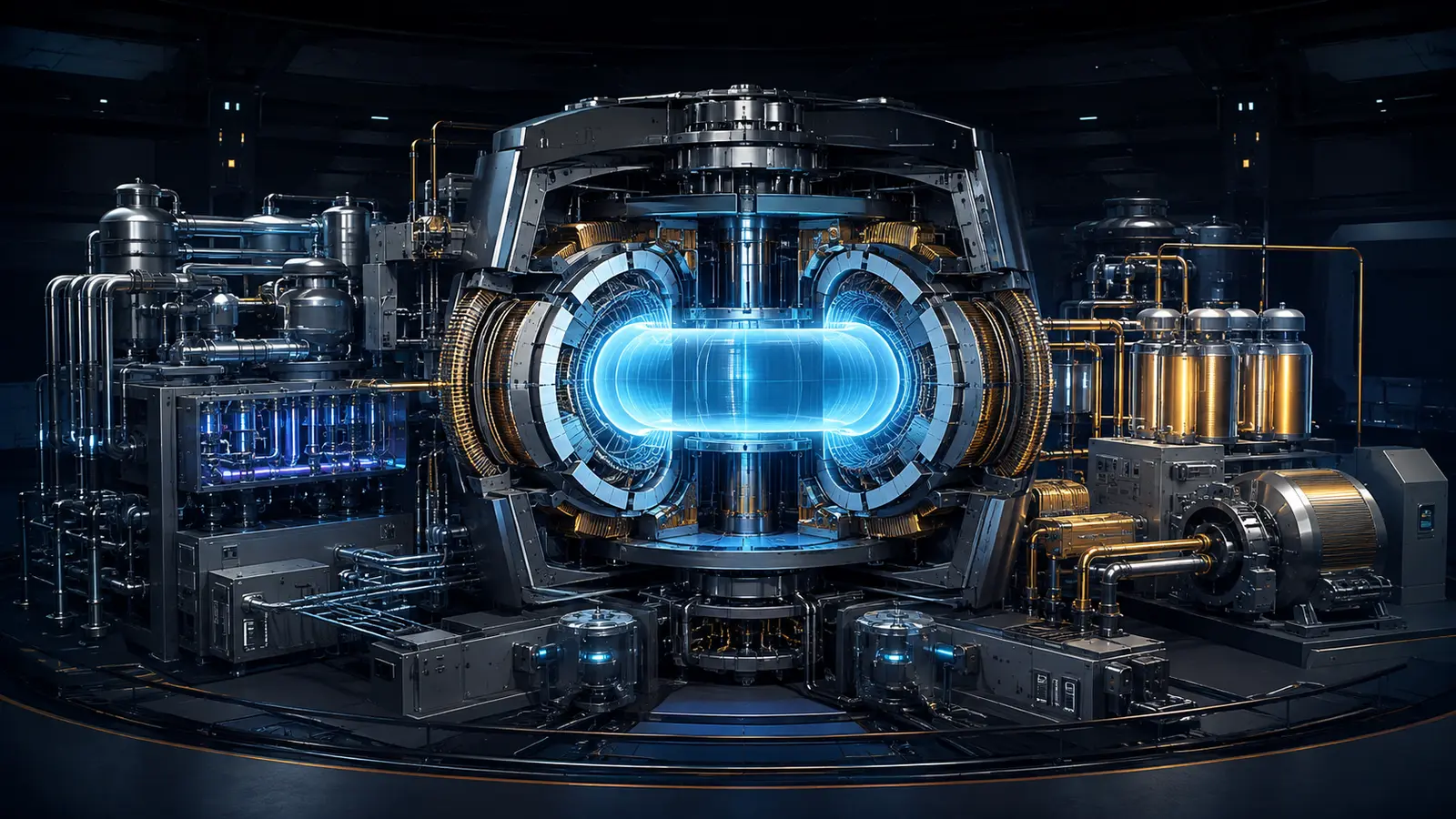
These branches preserve the prior Aurora fusion architecture: magnetic confinement, inertial confinement, magneto-inertial or pulsed fusion, advanced fusion research, and full power-plant integration.
Tokamaks and stellarators hold plasma with magnetic fields.
Research / demonstrationOpen system →Lasers or pulsed drivers compress small fusion targets.
Experimental researchOpen system →Magnetized plasma is rapidly compressed by a pulsed driver.
Public researchOpen system →Mirrors, compact toroids, pinches, and other frontier concepts.
Frontier researchOpen system →Fuel, blankets, heat conversion, maintenance, safety, and grid systems.
Enabling R&DOpen system →Wider cards provide a readable view of eight device and plant families plus an advanced compact-stellarator design portfolio.
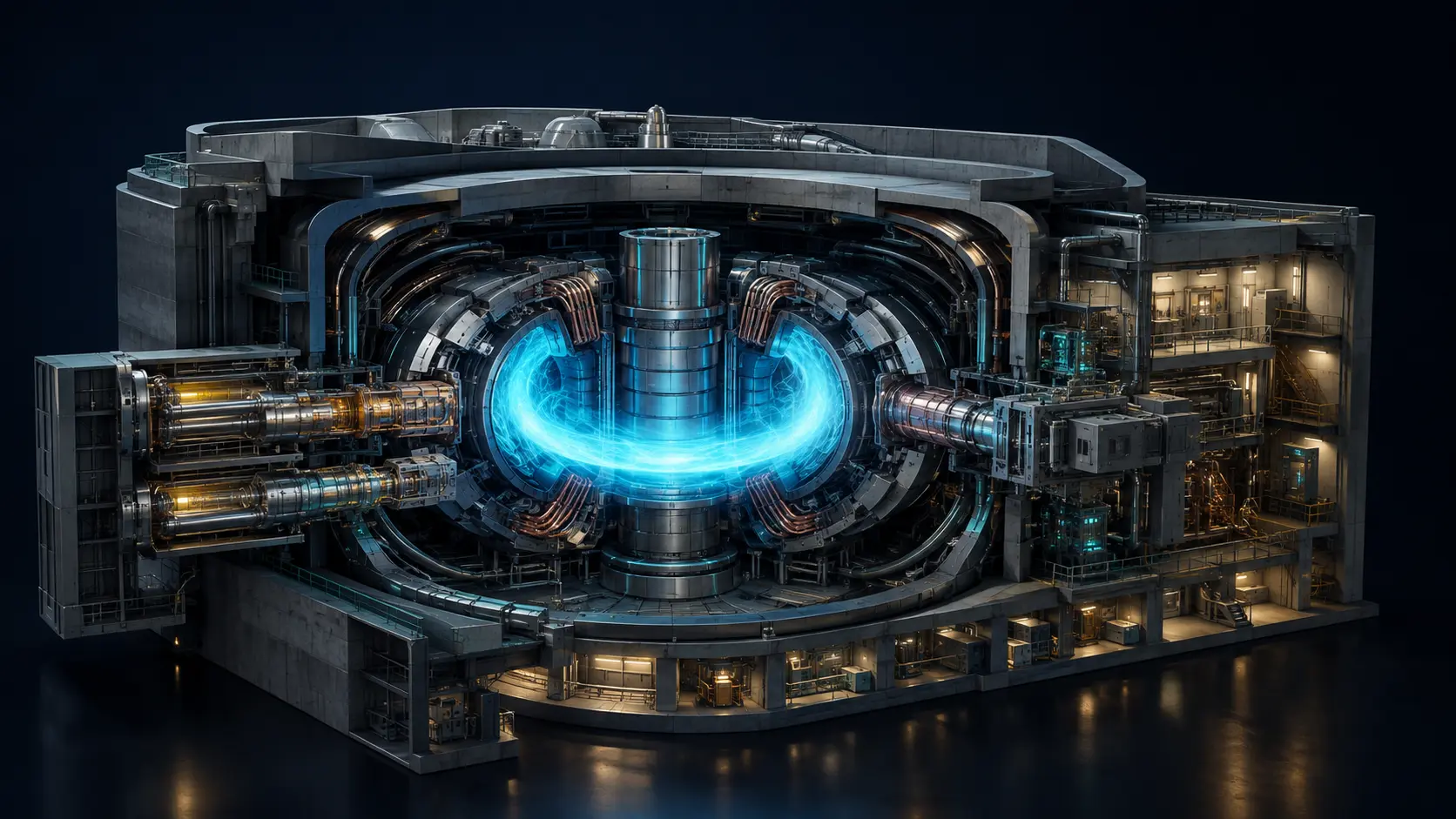
Tokamaks use an axisymmetric toroidal magnetic configuration, combining external field coils with substantial plasma current.
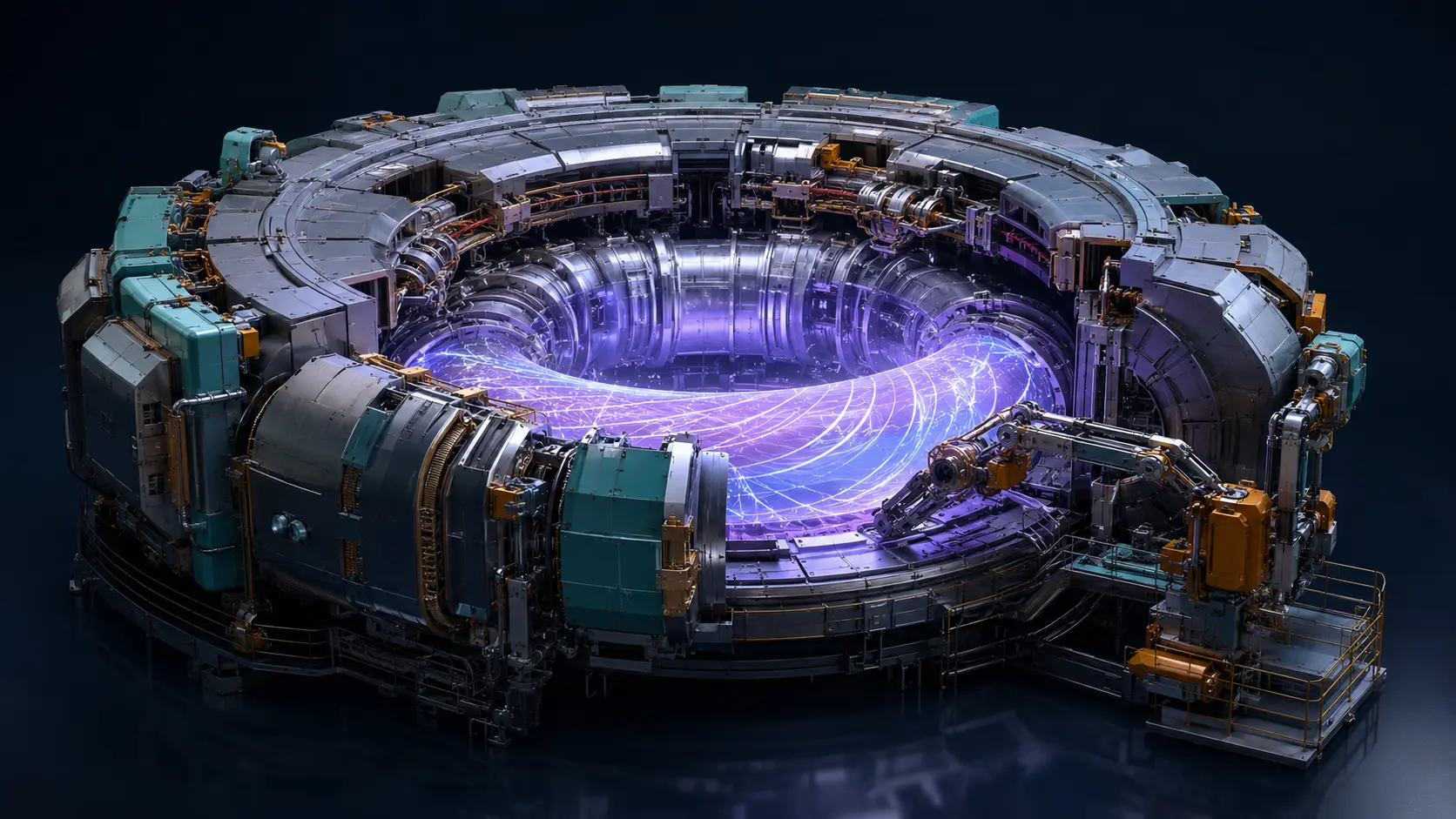
Stellarators use three-dimensional external magnetic fields to create rotational transform without relying on the same large toroidal plasma current used by a tokamak.
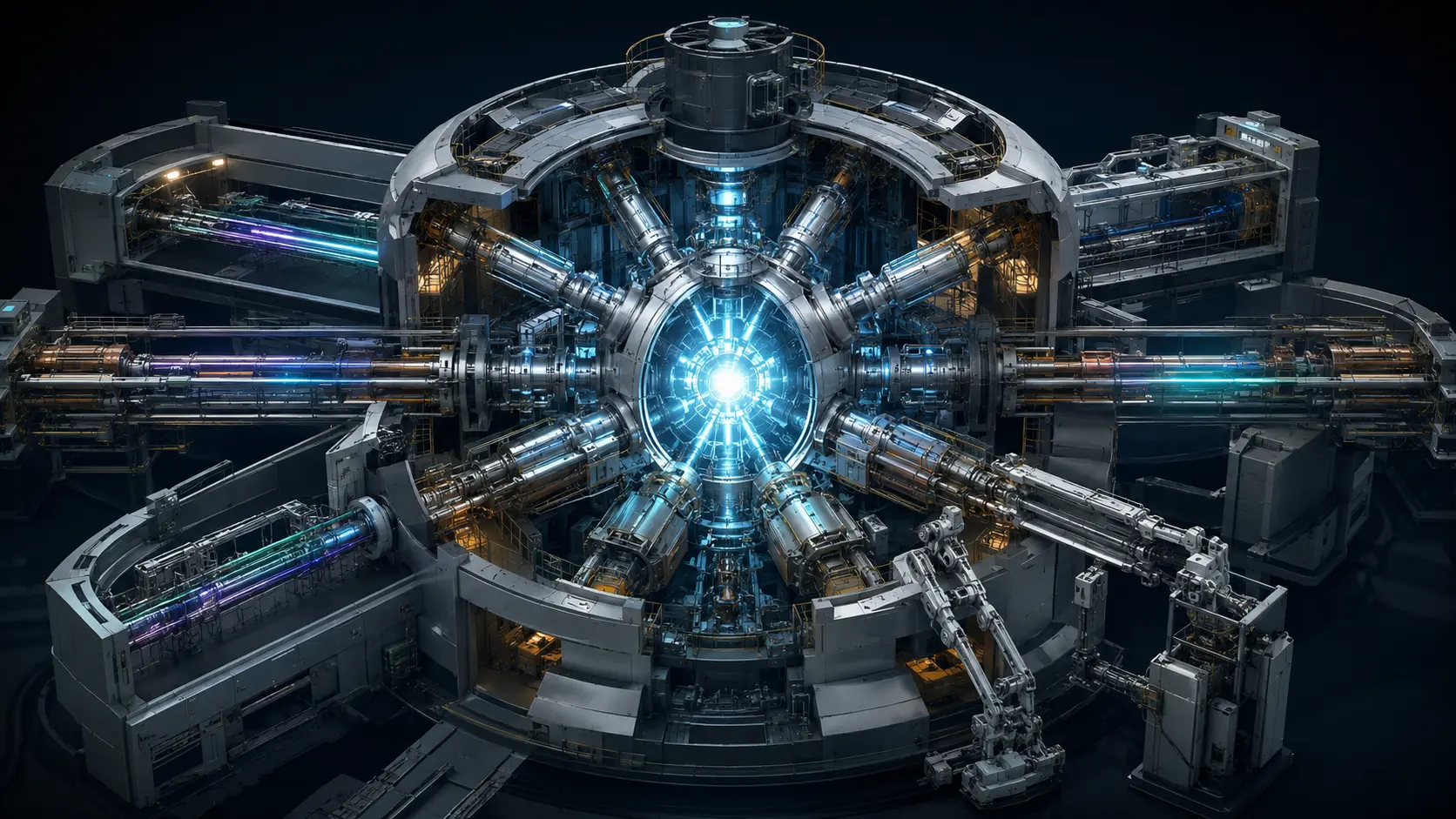
Inertial confinement uses intense drivers to compress and heat small targets for extremely brief fusion events.
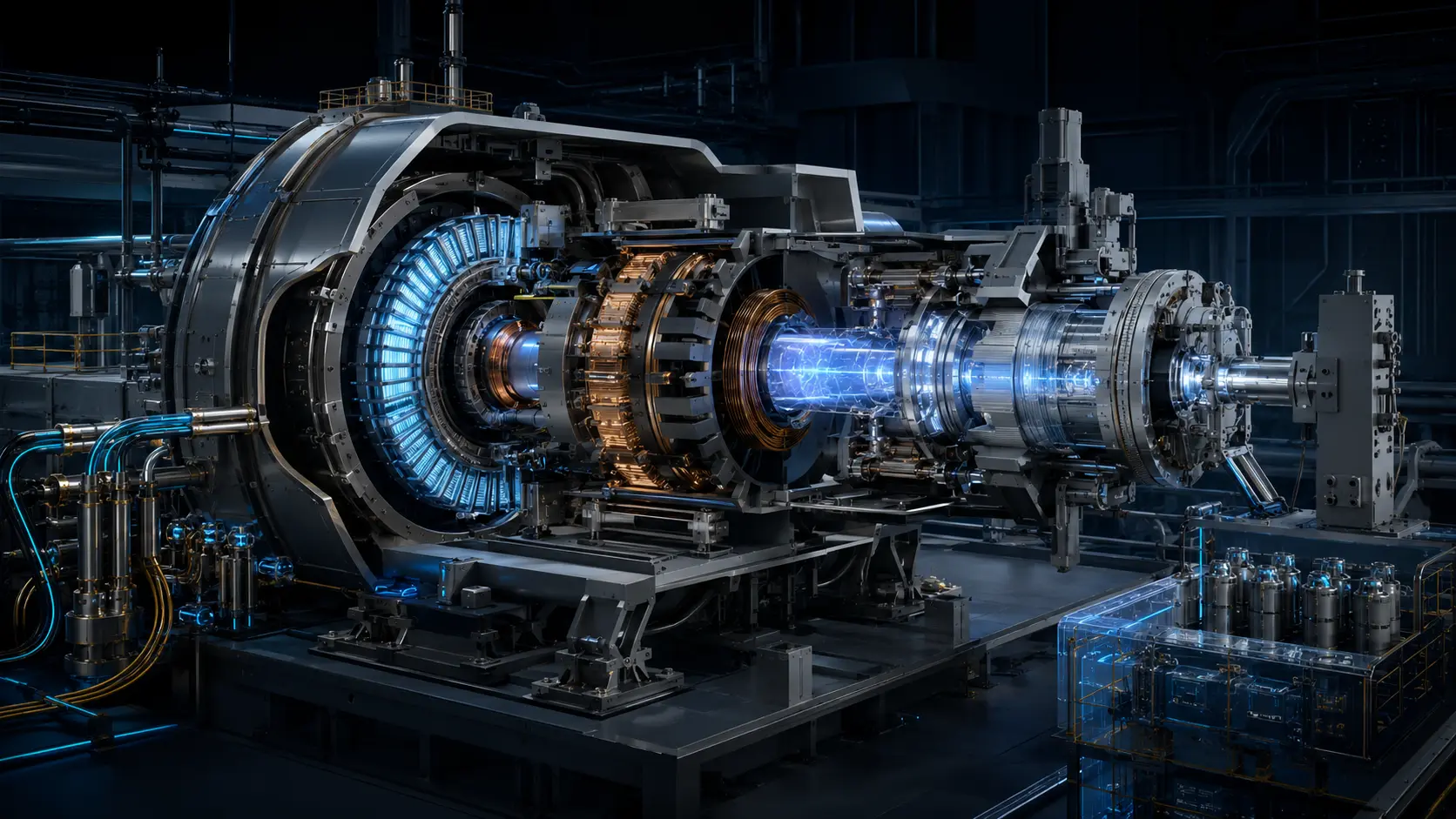
Magneto-inertial fusion spans hybrid concepts that first magnetize a plasma and then compress it rapidly with a liner, field, projectile, or other pulsed driver.
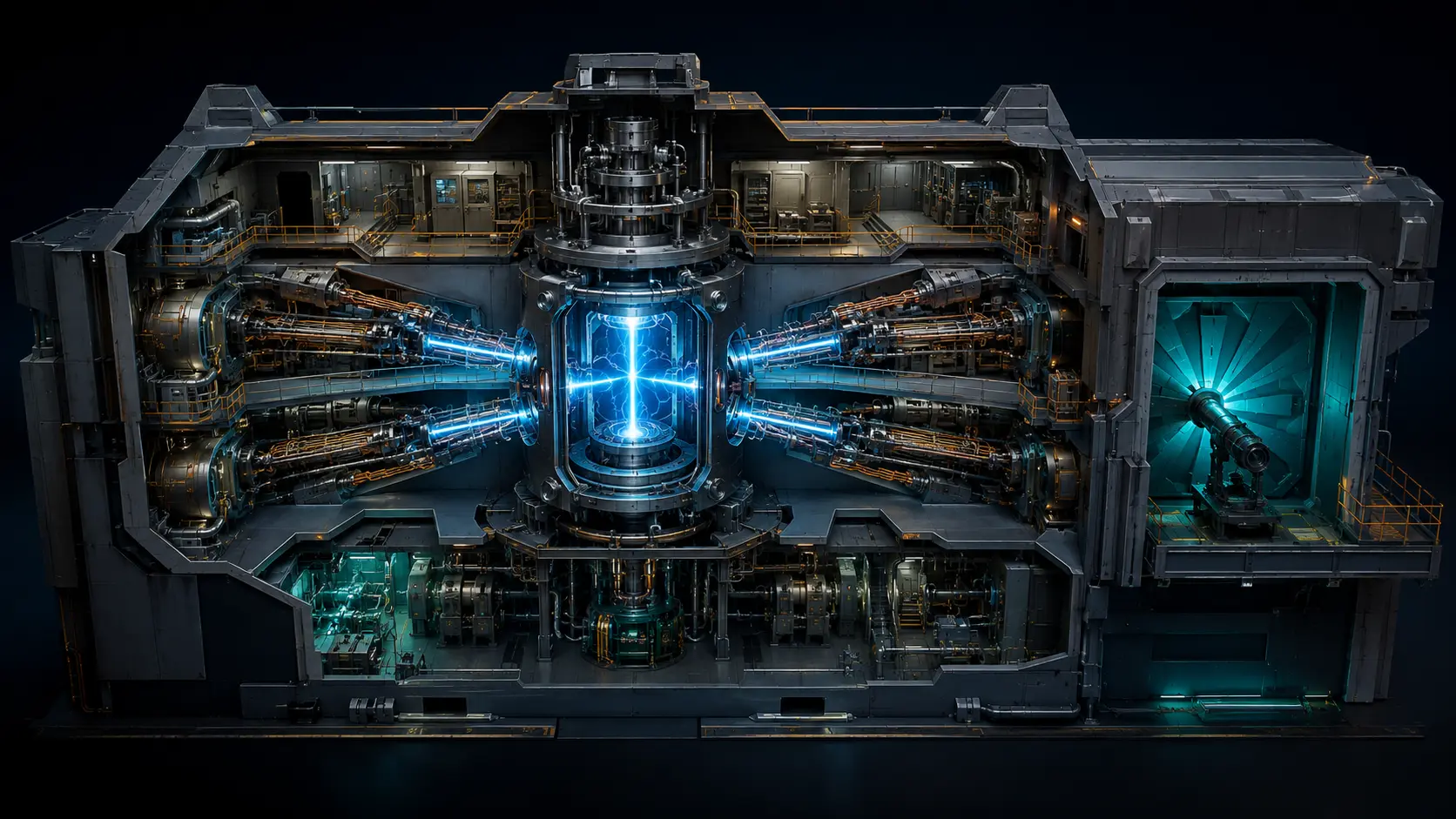
Z-pinch systems pass a large current through a plasma or liner so the resulting magnetic field compresses the load.
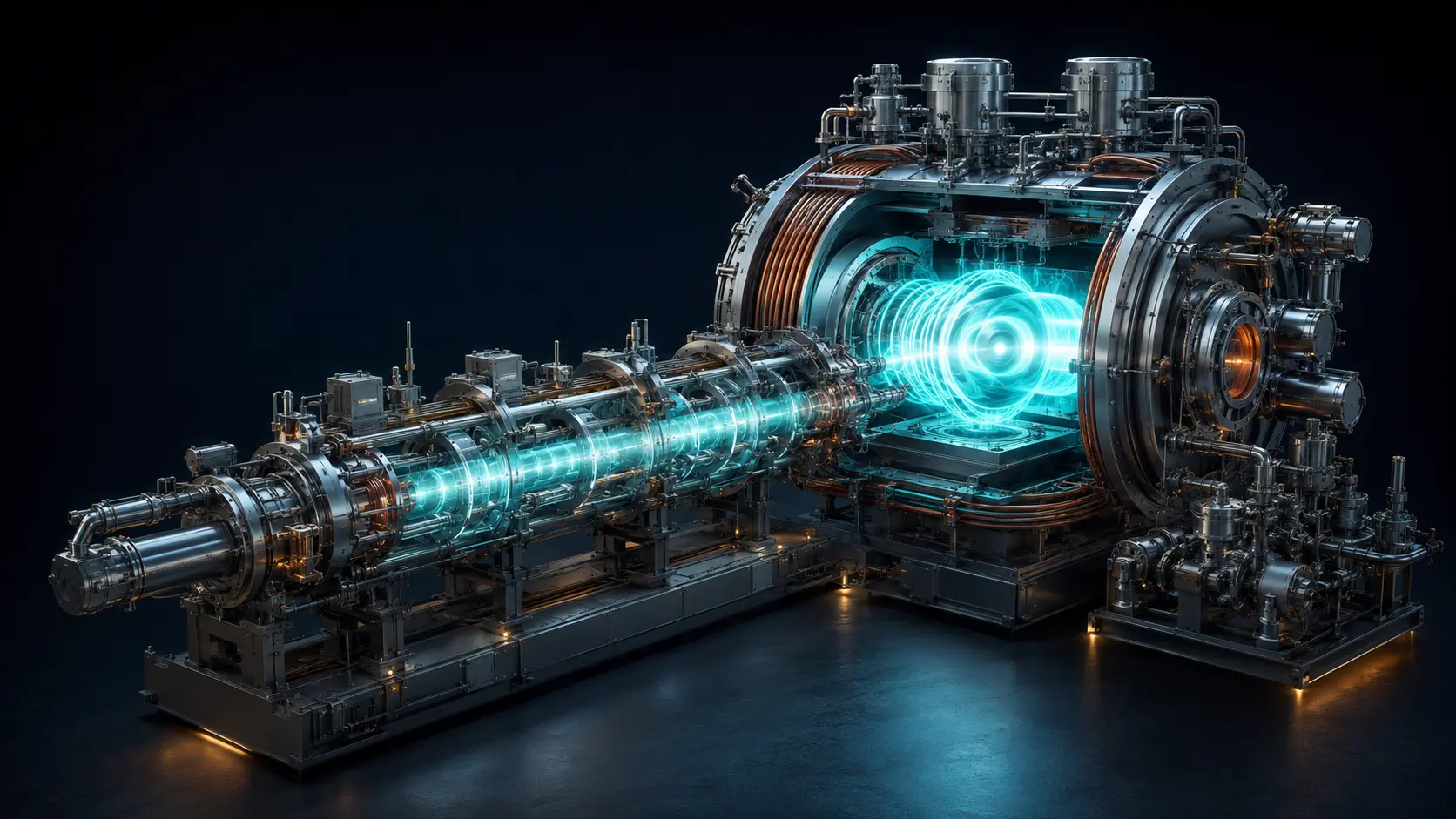
Field-reversed configurations and spheromaks are compact-toroid plasmas with substantial self-organized magnetic structure.
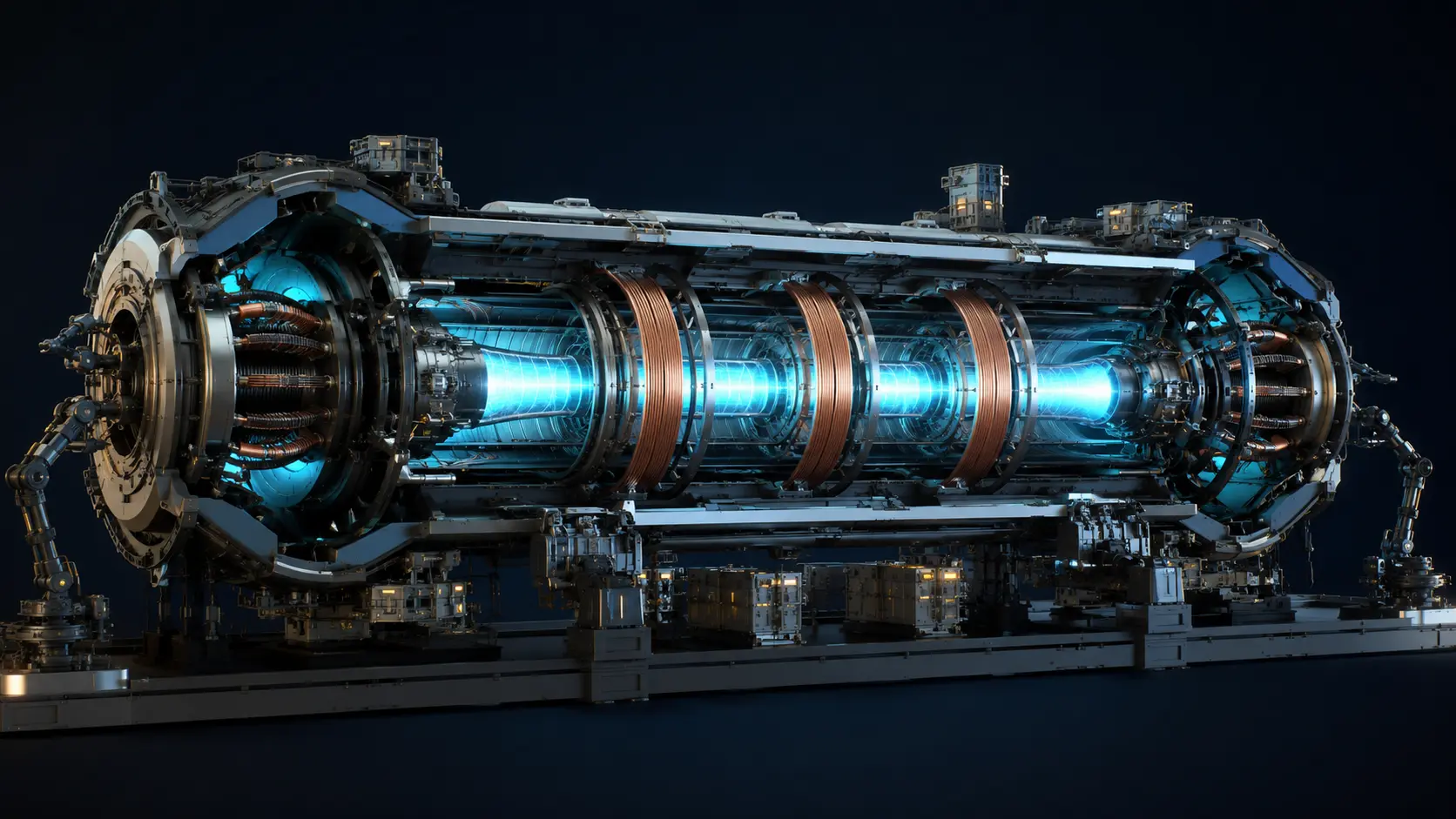
Magnetic mirrors confine plasma in an open-ended linear magnetic system whose field strength increases toward the ends.
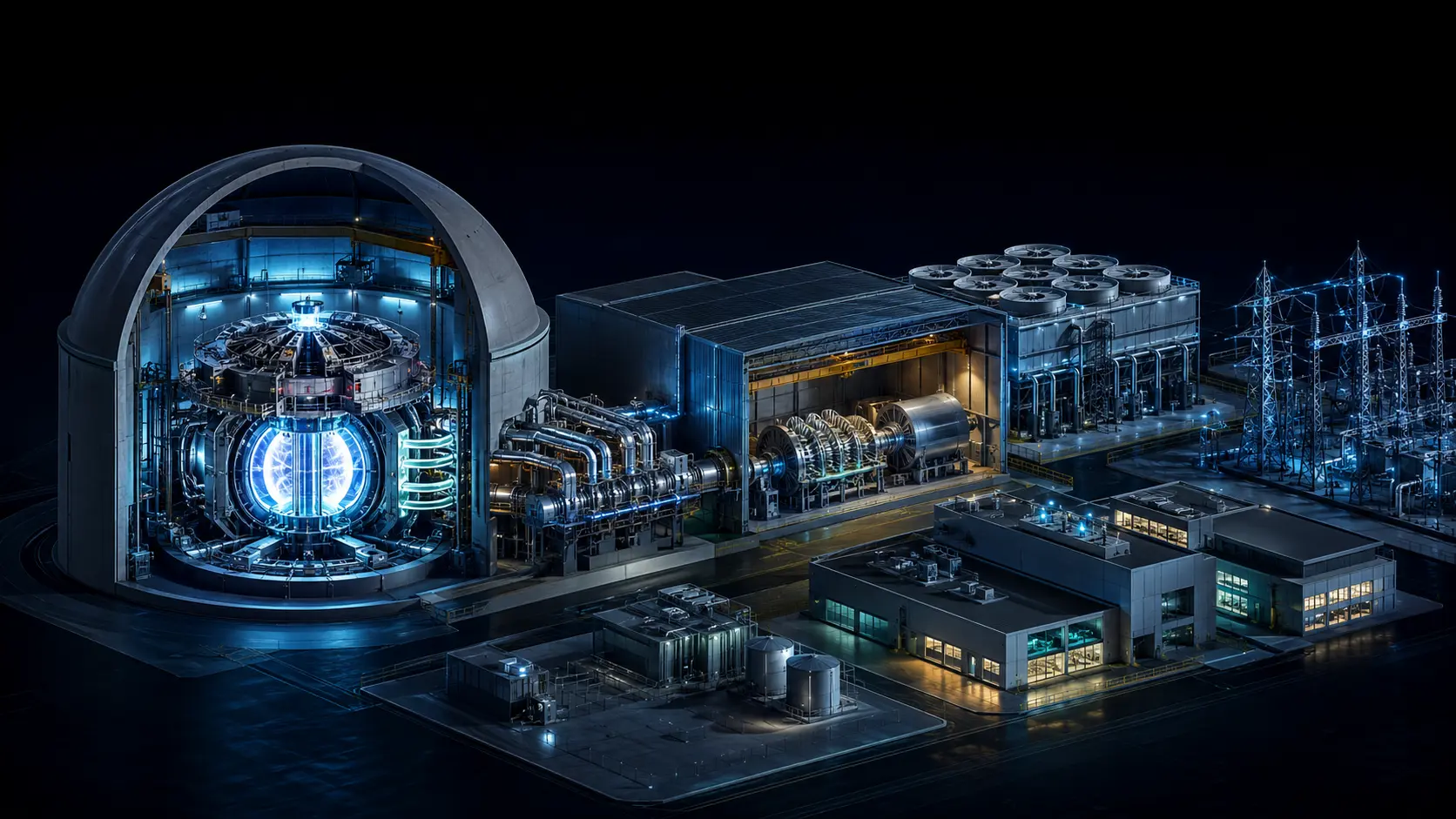
A fusion power plant is an integrated energy facility, not only a plasma device.
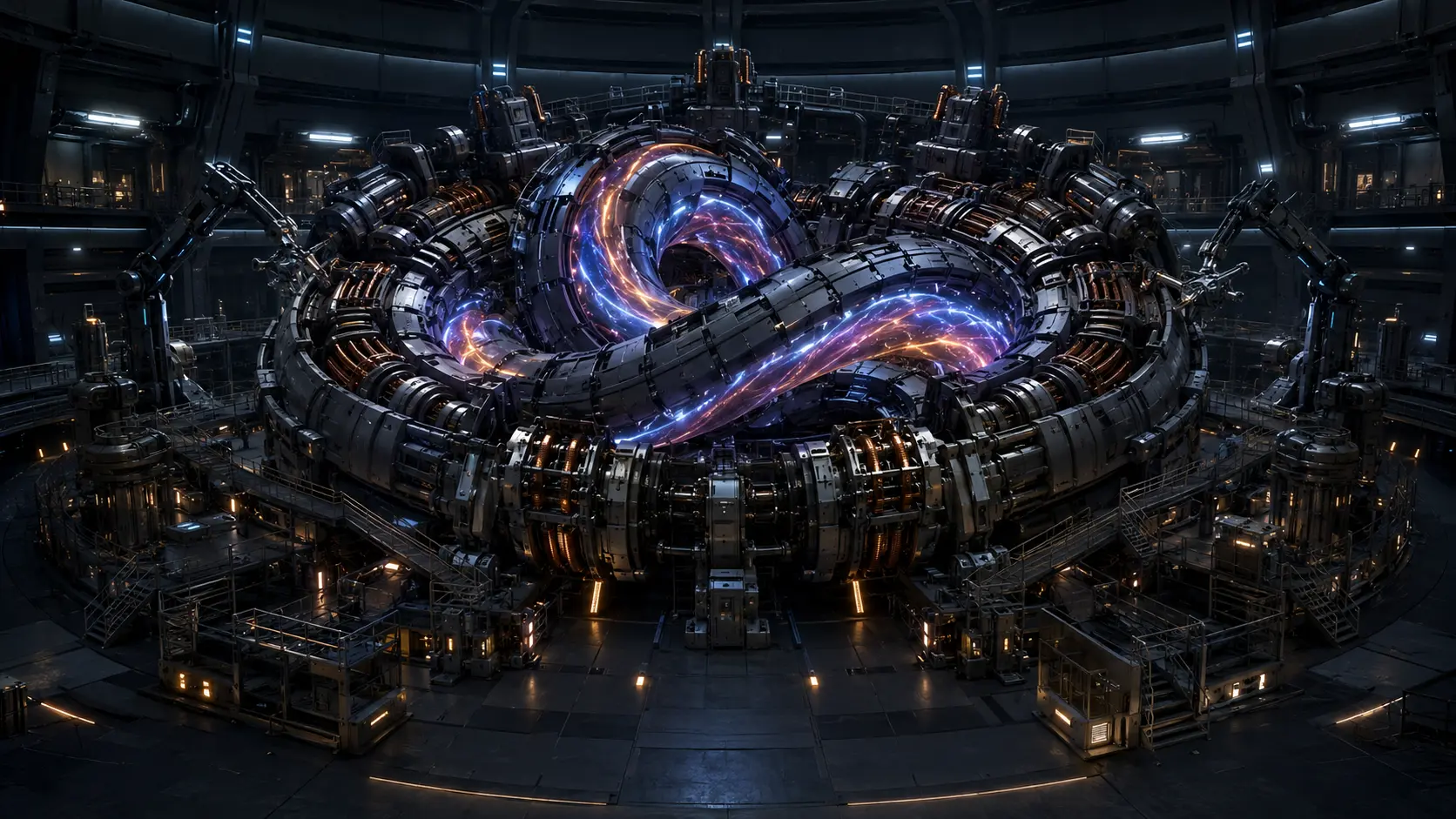
Six design studies explore optimized magnetic fields, modular coils, high-field materials, and maintenance-oriented stellarator layouts.
Stellarator studies explore whether optimized three-dimensional magnetic fields, high-field materials, modular coils, and remote maintenance can support smaller steady-state fusion systems.
Superconducting coils, structural support, thermal isolation, quench protection, and cryogenic services.
Plasma initiation, heating, current drive, imaging, spectroscopy, and real-time state measurement.
Plasma-facing materials, neutron environment, shielding, heat capture, maintainability, and component life.
Public-level treatment of fuel supply, tritium stewardship, inventory control, recovery, and containment.
Heat transport, balance of plant, conversion efficiency, grid connection, and residual-heat management.
Human authority, machine protection, remote handling, inspection, replacement planning, and safe shutdown.
Fusion results should be described by the evidence actually achieved: plasma performance, energy delivered to the target or plasma, total facility energy, repeatability, component lifetime, fuel-cycle closure, maintainability, and net electricity exported to a grid are different milestones. This page makes no claim that any fusion family is presently a commercially mature power source.
Architecture groupings and future concepts do not establish a licensing pathway or safety finding. Apply the exact reactor, material inventory, mission, site, regulator, safeguards, and emergency-planning basis before making deployment claims.
Public claim boundary: No “inherently safe,” “waste-free,” “unregulated,” “no emergency plan,” licensed, commercially ready, or guaranteed-performance claim is authorized.