
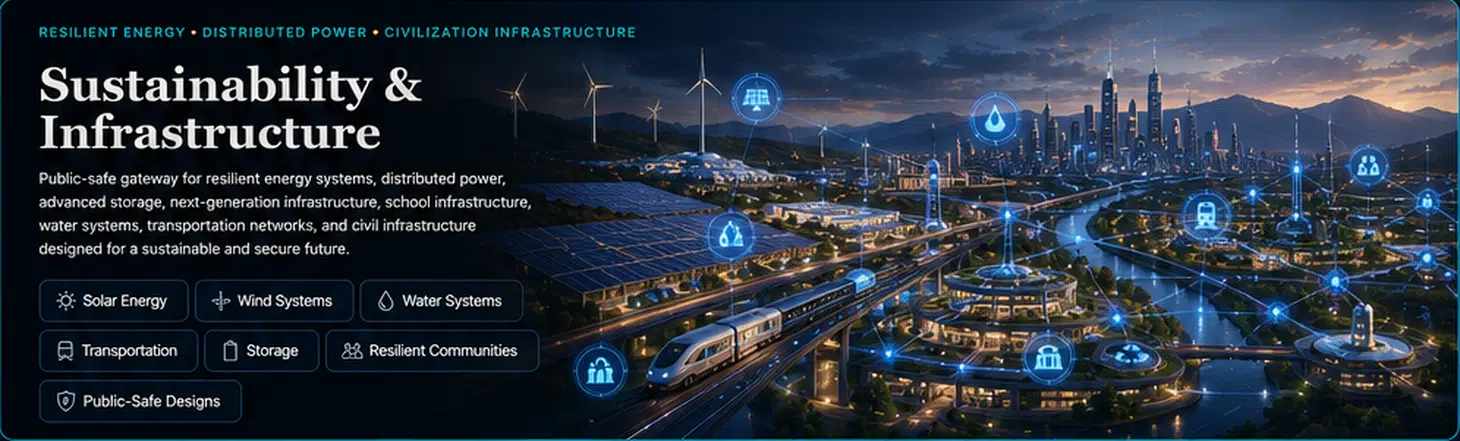
Sustainability & Infrastructure
Permanent communities and public continuity
Housing, schools, health, shelter, and essential local services.
Diverse generation, storage, and grid resilience
Complementary systems rather than one universal energy source.
Resource security without linear waste
Recover water, protect food production, and circulate material value.
Protect communities and keep essential networks moving
Fire defense, material recovery, transportation, and durable structures.
Controlled research and the complete public map
Public-safe classification with implementation details kept offline.
Utility-Scale Solar Energy
Vast, high-efficiency solar infrastructure in arid zones with advanced tracking, transmission corridors, storage pairing, and optional solar-plus-storage for a resilient clean energy future.
Open Section →
Advanced Wind & Alternative Wind Systems
Next-generation wind approaches including vortex masts, rooftop capture, tree-like micro-wind forms, airborne concepts, and low-profile systems for distributed clean power.
Open Section →
Distributed Solar & Agrivoltaics
Solar canopies and agrivoltaic systems that integrate clean energy with food production, land stewardship, shade, water efficiency, and resilient local infrastructure.
Open Section →
Next-Generation Desalination Plants
Co-located with micro-reactor, geothermal, solar, or waste-heat systems to deliver resilient potable water production, brine management, and future-ready drought infrastructure.
Open Section →
Smart Water & Wastewater Grids
AI-monitored closed-loop urban water systems featuring decentralized filtration, real-time contaminant tracking, wastewater recovery, and storm-surge management.
Open Section →
Transportation & Mobility
High-speed rail, urban light rail, metro modernization, maglev corridors, and resilient multimodal transit systems that connect cities and strengthen national mobility infrastructure.
Open Section →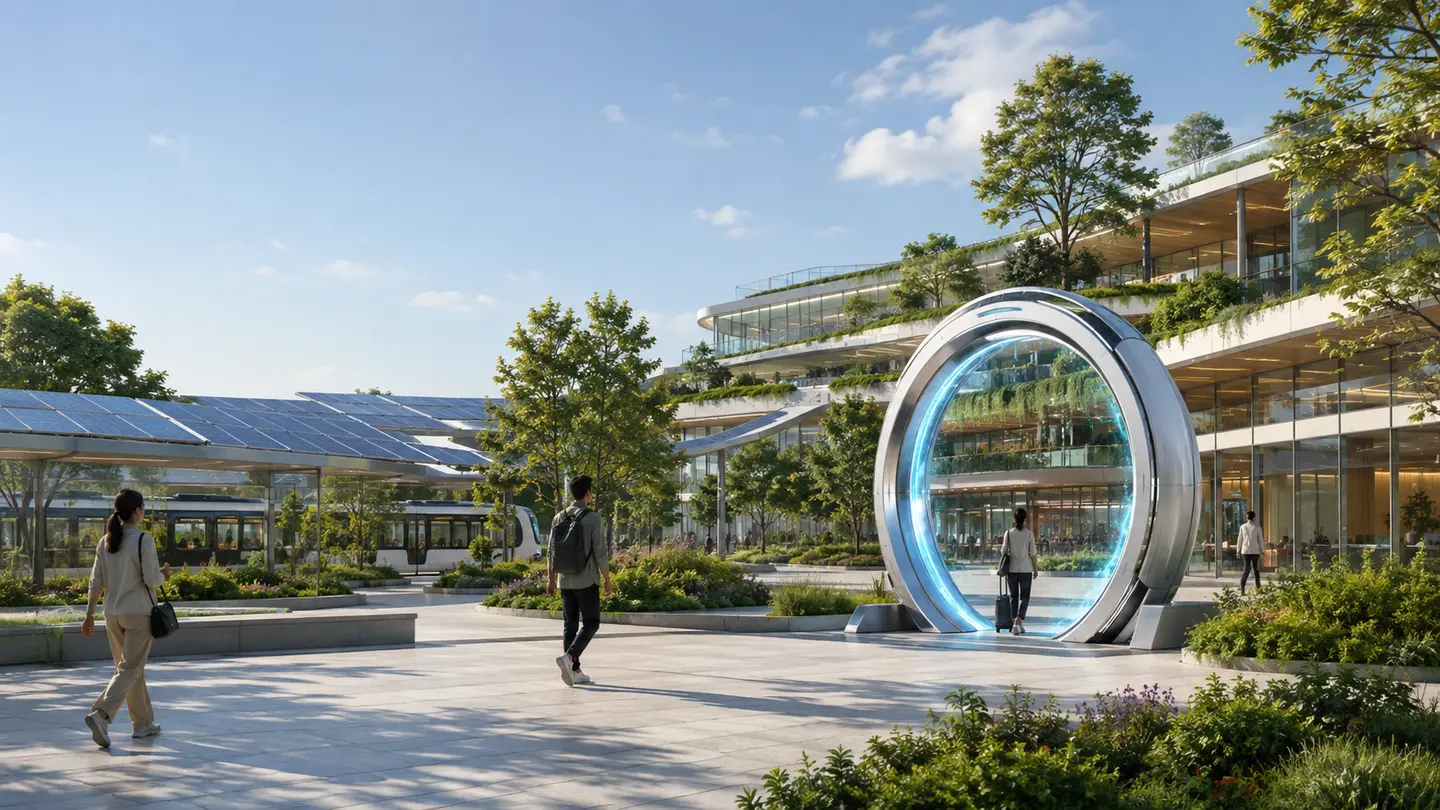
Portal Planet
A visionary transportation infrastructure exploring passenger, cargo, emergency, global, and future off-world mobility—with human time, safety, access, and resilient public systems at its center.
Open Portal Planet →
Advanced Energy Storage
Modular energy-wall banks, thermal batteries, peak-load buffering, emergency reserves, and grid-stabilization concepts for resilient communities and industrial sites.
Open Section →
Reactor Programs
Commercial and advanced fission families, experimental fusion pathways, compact systems, grid integration, safety, maturity, and lifecycle accountability.
Open Reactor Programs →
Next-Generation School Infrastructure
Modern learning environments with smart classrooms, digital learning furniture, healthy indoor air, sustainable energy systems, secure campuses, and future-ready facilities.
Open Section →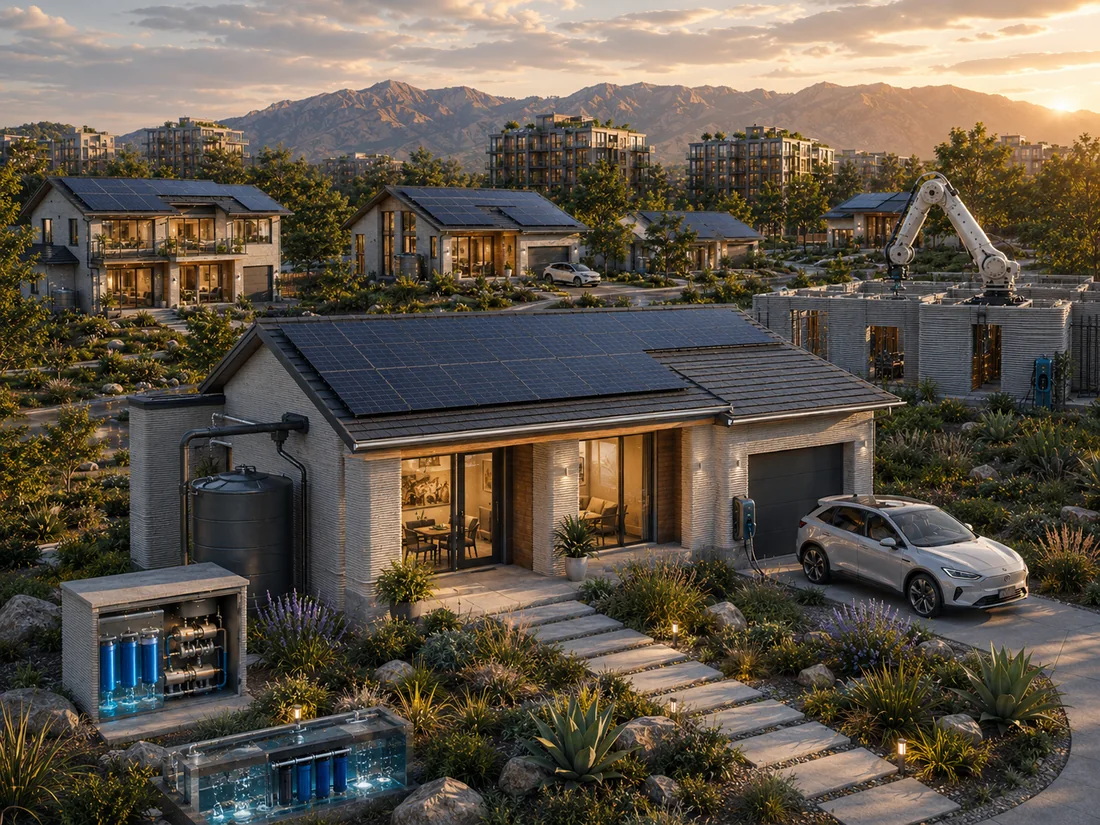
Advanced Automated & 3D-Printed Housing
Resilient automated housing with multiple family-size models, rapid construction, integrated water treatment and partial reuse, solar-ready roofing, durable materials, and lower lifecycle-cost targets.
Open Section →
Next-Generation Bridge Systems
Durable, intelligent bridge designs with advanced materials, structural health monitoring, resilient transport corridors, and future-ready infrastructure for public mobility.
Open Section →
Circular Waste & Material Recycling
Advanced automated facilities using specialized chemical processing and head-end engineering to break down complex materials and create closed-loop resource recovery pipelines.
Open Section →
Distributed AgTech & Food Hubs
Climate-resilient vertical farms and automated hydroponic networks integrated into community centers, water systems, and year-round food security architecture.
Open Section →
Civic & Emergency Health Hubs
Hardened community medical and shelter networks operating on microgrid islands, designed to remain functional during macro-grid failures and climate disruptions.
Open Section →
Geothermal Systems
Deep-earth heat, AI-monitored thermal fields, district heating, infrastructure conduits, and resilient thermal-energy pathways.
Open Section →
Global Sustainable Housing
Permanent 2,000-square-foot housing baseline, quarter-acre preferred lots, hybrid 3D printing, factory utility cores, regional production hubs, and complete community infrastructure.
Open Section →
Global Atmospheric Resilience Network
Restoration-first Earth-system observation, Digital Earth Twin modeling, climate and biosphere restoration, pre-event risk-reduction research, and the Gaia Safeguard Doctrine.
Open GARN →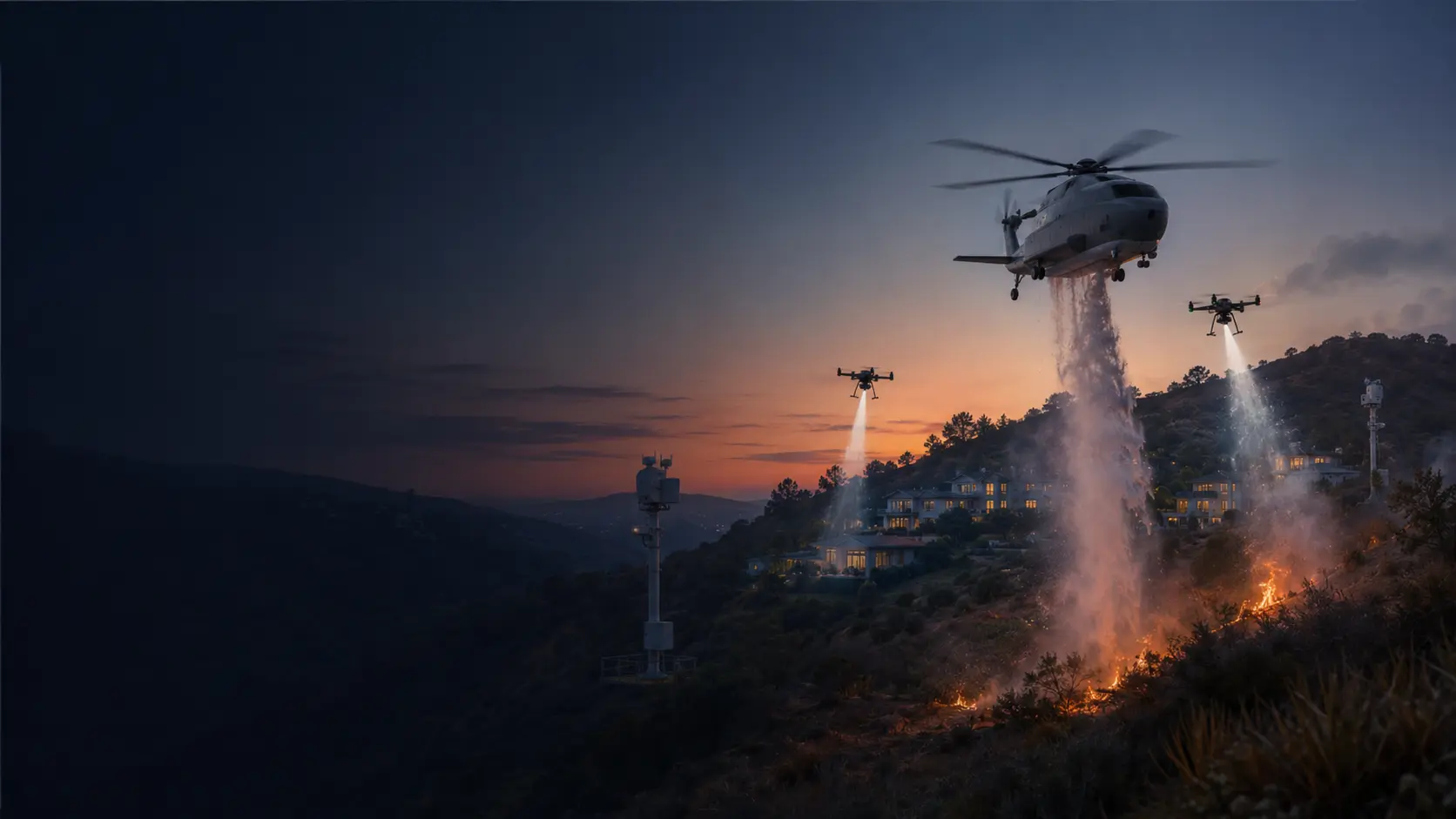
Aurora FIREBREAK
Integrated fire prevention, early detection, matched suppression, autonomous initial attack, fire-responsive buildings, and ecological recovery.
Open FIREBREAK →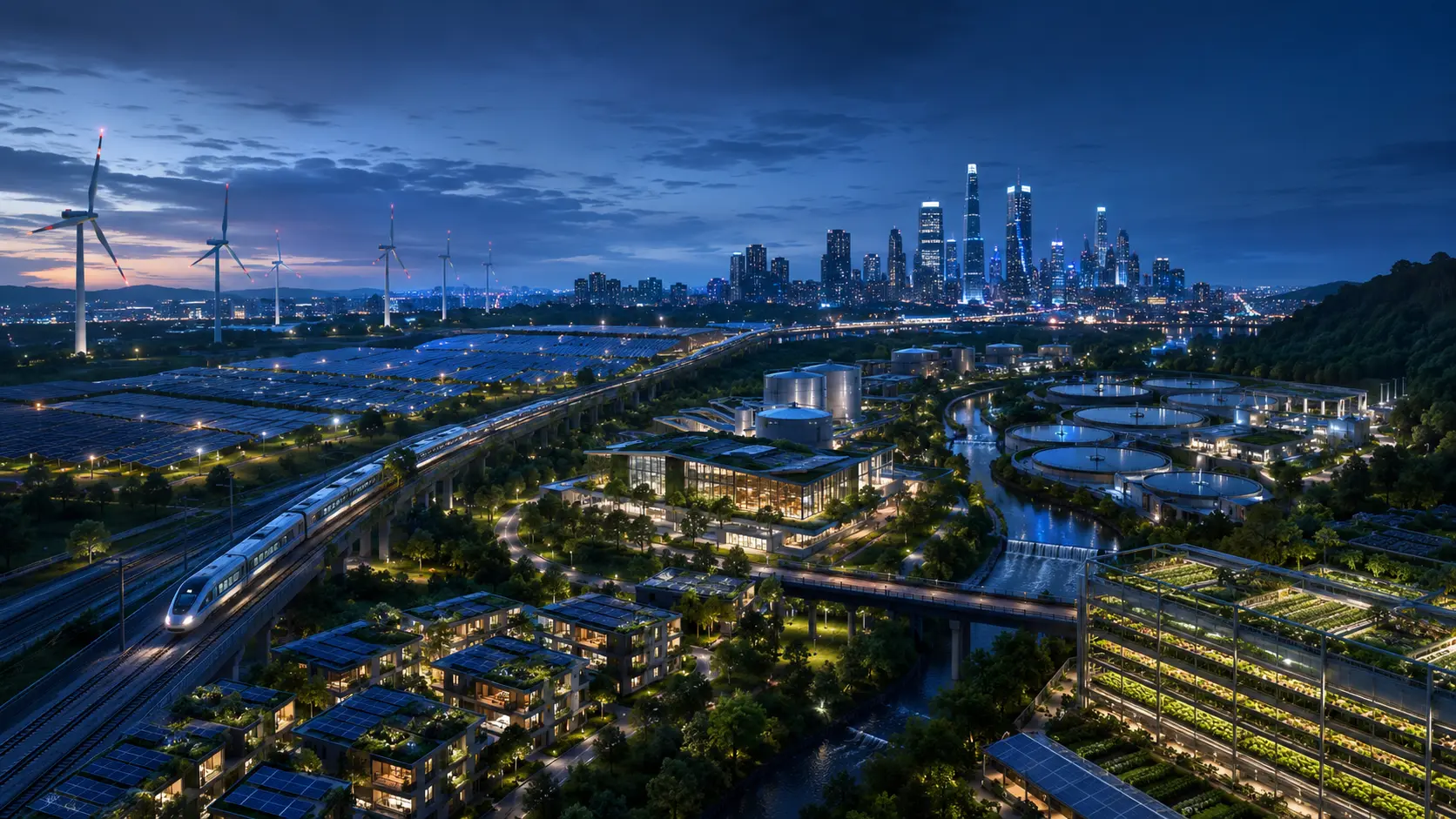
Sustainability Project Directory
A complete public navigation map for every Sustainability page, including reactor classifications, school infrastructure systems, transportation branches, and the global housing program.
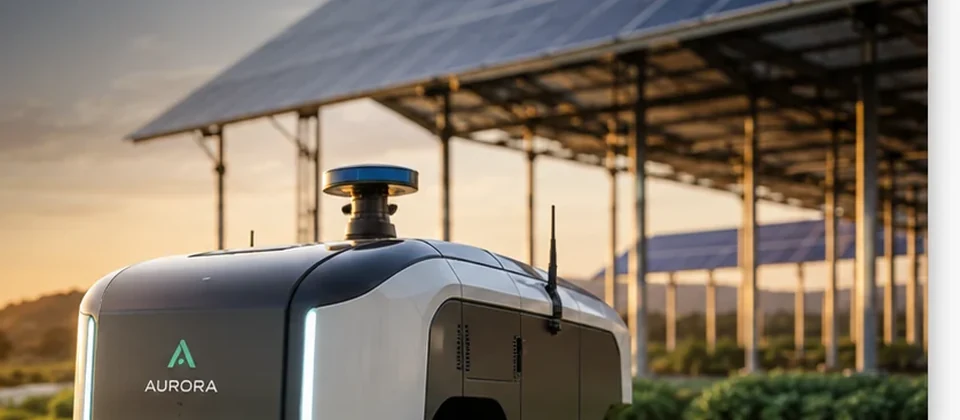
Agricultural Systems
AI-guided agriculture from home gardens to industrial farms, integrating precision weed and crop protection, autonomous robotics, plant-level water and nutrient delivery, fleet coordination, and safety-first operation.
Open Section →Ocean Sustainability & Monitoring
Environmental observatories, reef and ecosystem sensing, pollution and microplastic monitoring, hypoxia sensing, carbon-cycle measurement, offshore-renewable inspection, and long-duration ocean climate instrumentation.
Earth Rescue & Disaster Response Systems
A public-safe resilience focus for floods, storms, earthquakes, wildfire evacuation, remote-access rescue, emergency logistics, temporary power and water, autonomous reconnaissance, communications restoration, and rapid recovery. The emphasis is civilian rescue, infrastructure continuity, and life safety—not tactical or weaponized operations.
Infrastructure Boundary
Public concept gateway for resilient energy, water, transportation, food security, material recovery, and civic infrastructure systems.
Technology landscape summaries, public-safe infrastructure concepts, renewable energy architecture, water-security architecture, mobility concepts, recycling and AgTech concepts, project navigation, and non-operational design exploration.
Political advocacy, proprietary implementation details, reactor internals, fuel-cycle specifics, control logic, desalination operating recipes, CAD, or operating procedures.