
Commercial experience is strong evidence for some families, but it does not license a new plant or erase site-specific requirements.
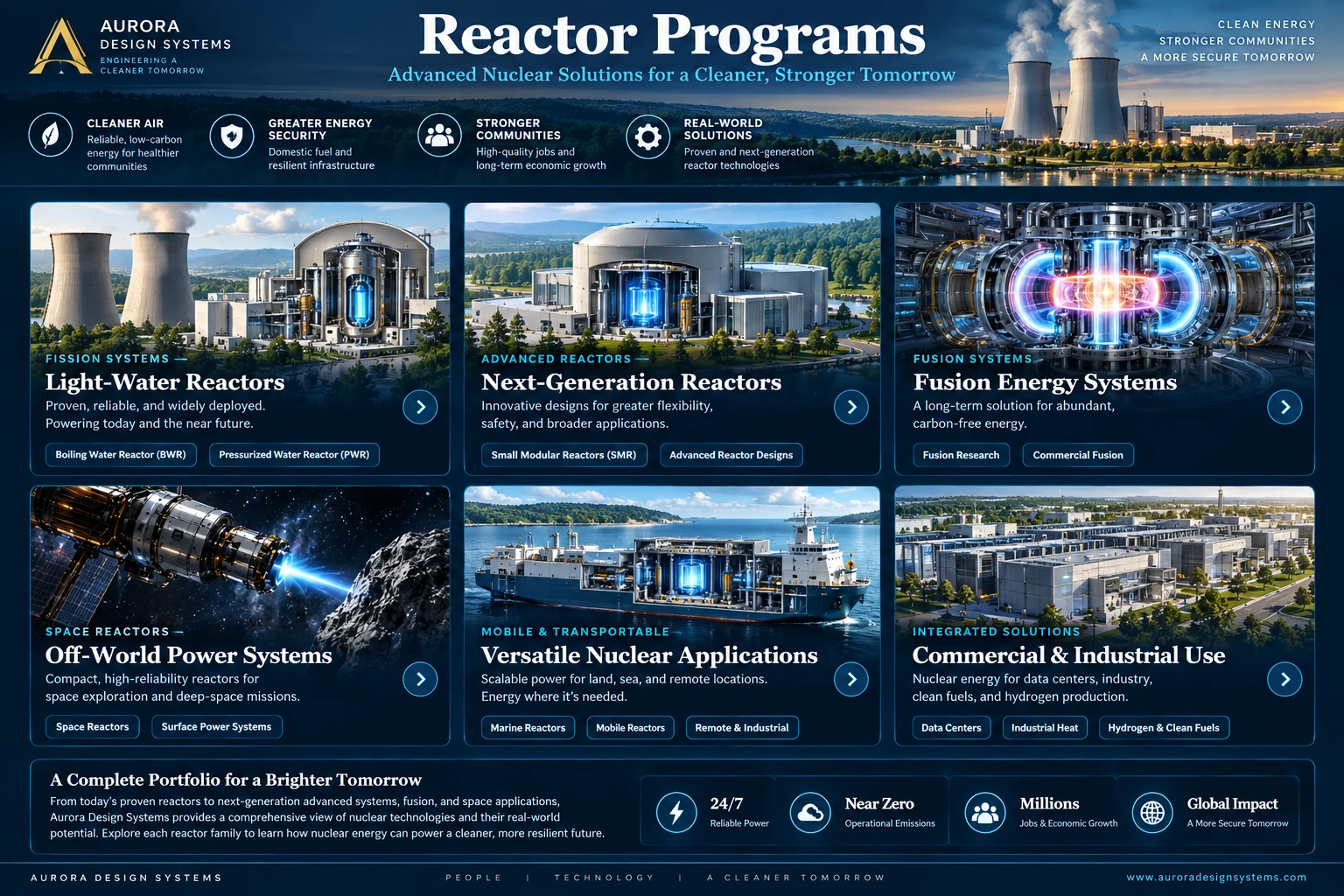
Fission Portfolio • Established + Advanced
Fission Reactor Systems
Commercial light-water reactors, modular plants, coated-particle fuel systems, and advanced coolant families organized by maturity and architecture.
Phase 4 • Technical Education
Learn the engineering language
The Reactor Programs branch now includes standardized system walkthroughs and controlled technical vocabulary on the detailed technology pages. Use the master glossary to compare terms across fission, advanced reactors, specialized systems, and fusion.
Technology Directory
Fission families
Open a daughter page for the detailed public-safe system architecture, maturity context, engineering challenges, and safety boundary.
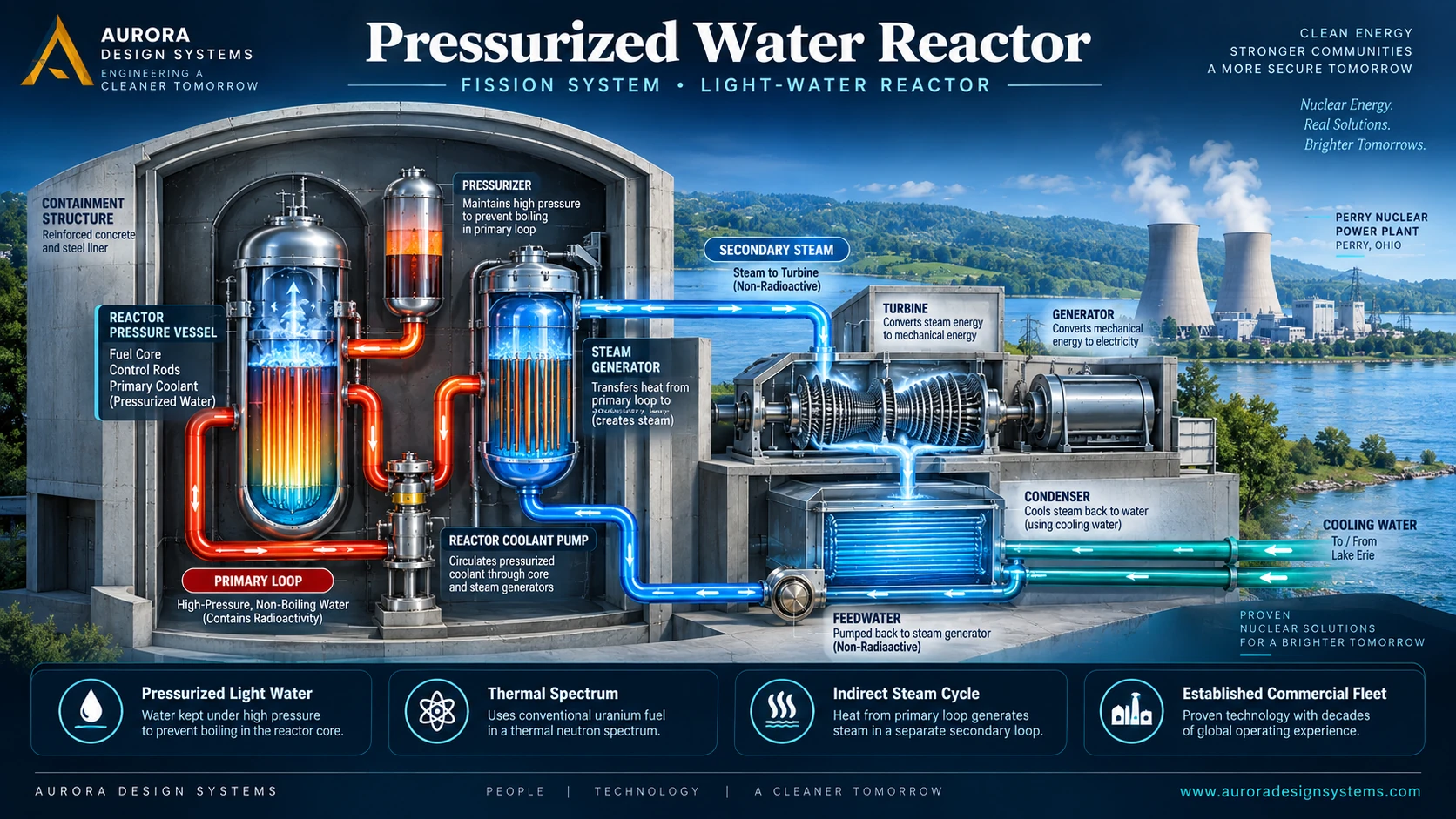
PWR
Pressurized Water Reactor
Established light-water reactor with a separate secondary steam loop.
Open technology →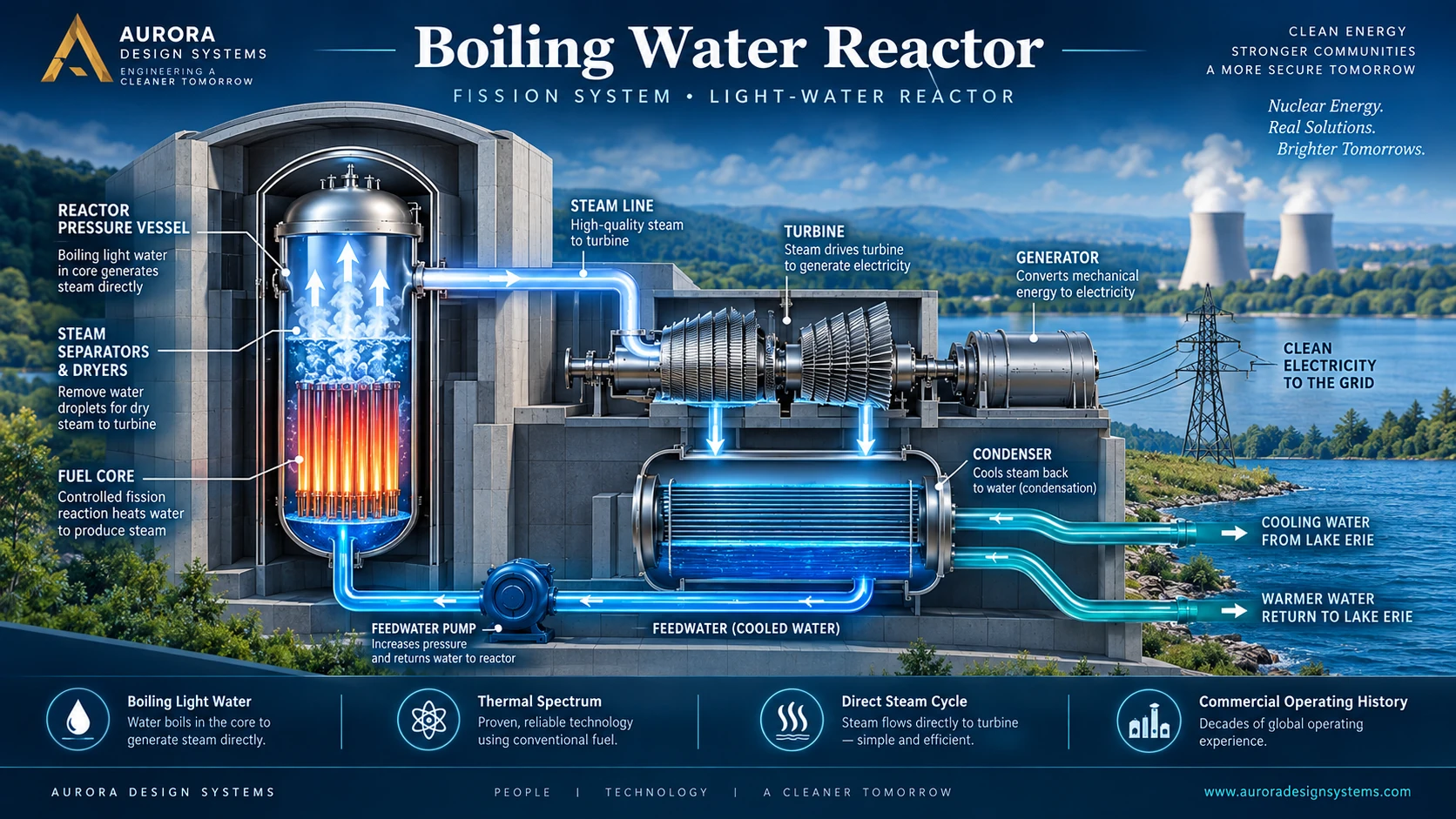
BWR
Boiling Water Reactor
Direct-cycle light-water reactor that produces steam inside the vessel.
Open technology →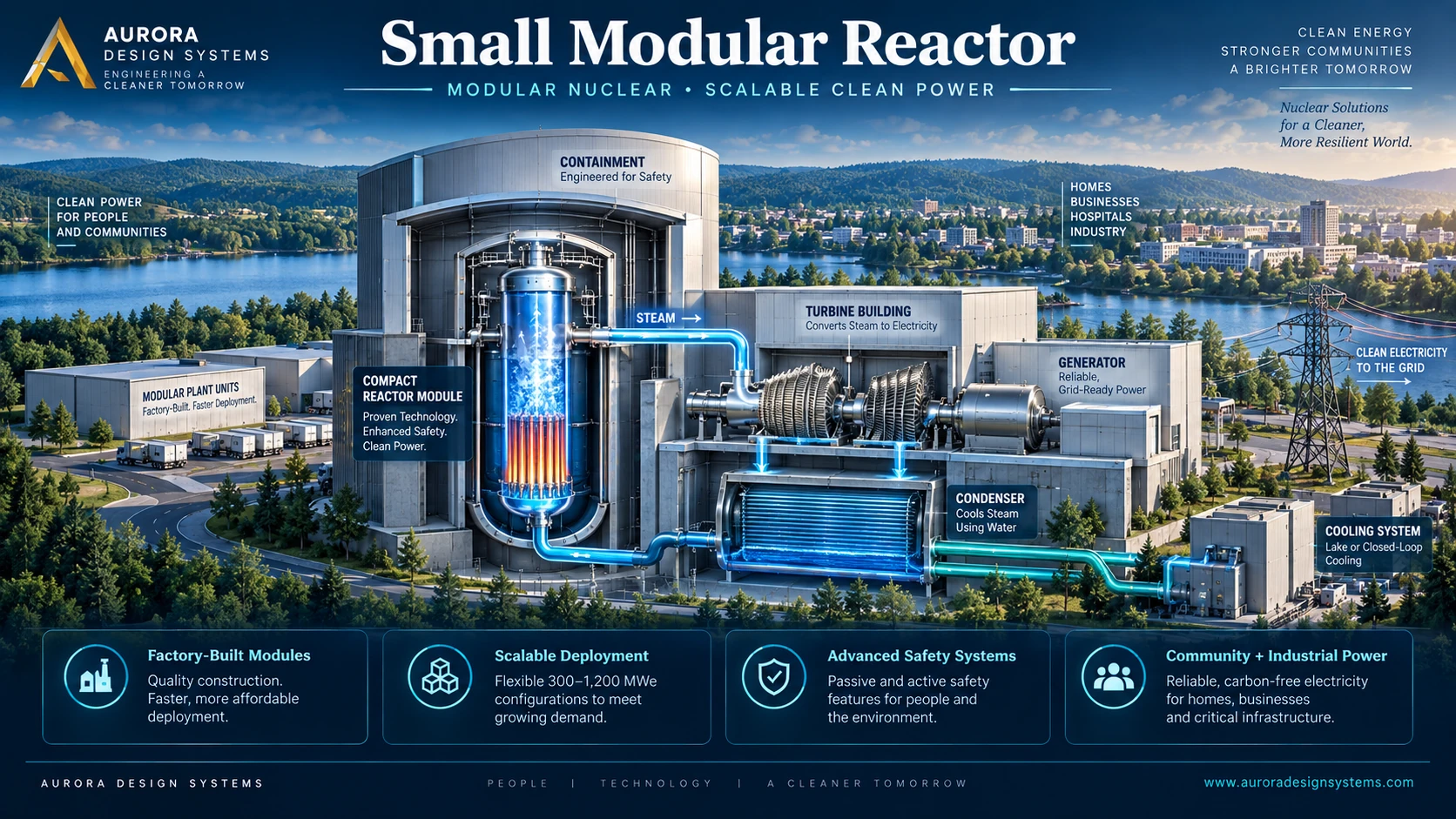
SMR
Small Modular Reactor
Modular plant class spanning several reactor technologies and deployment models.
Open technology →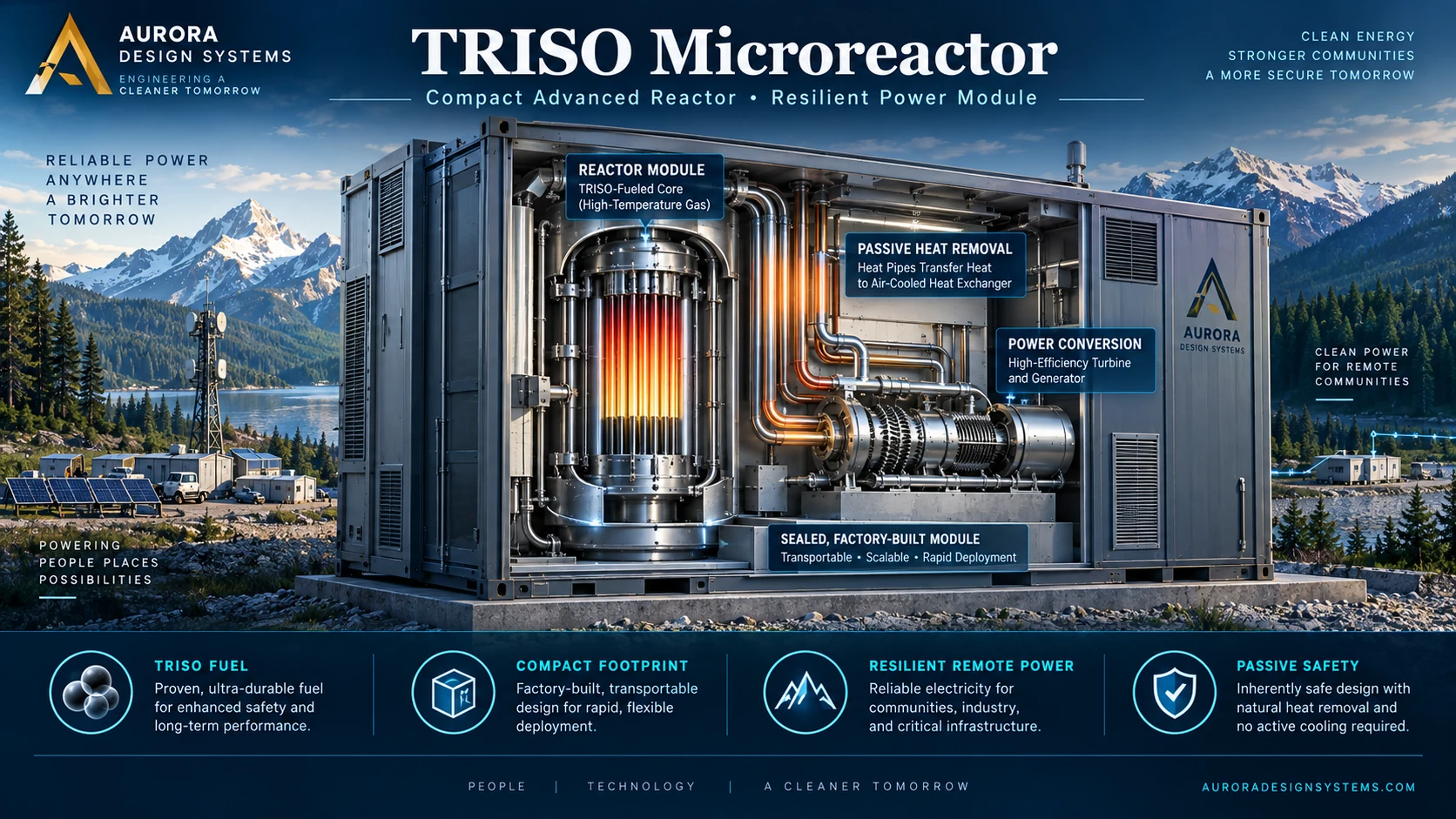
TRISO
TRISO-Fueled Microreactor
Compact reactor pathway using coated-particle fuel and design-specific heat transport.
Open technology →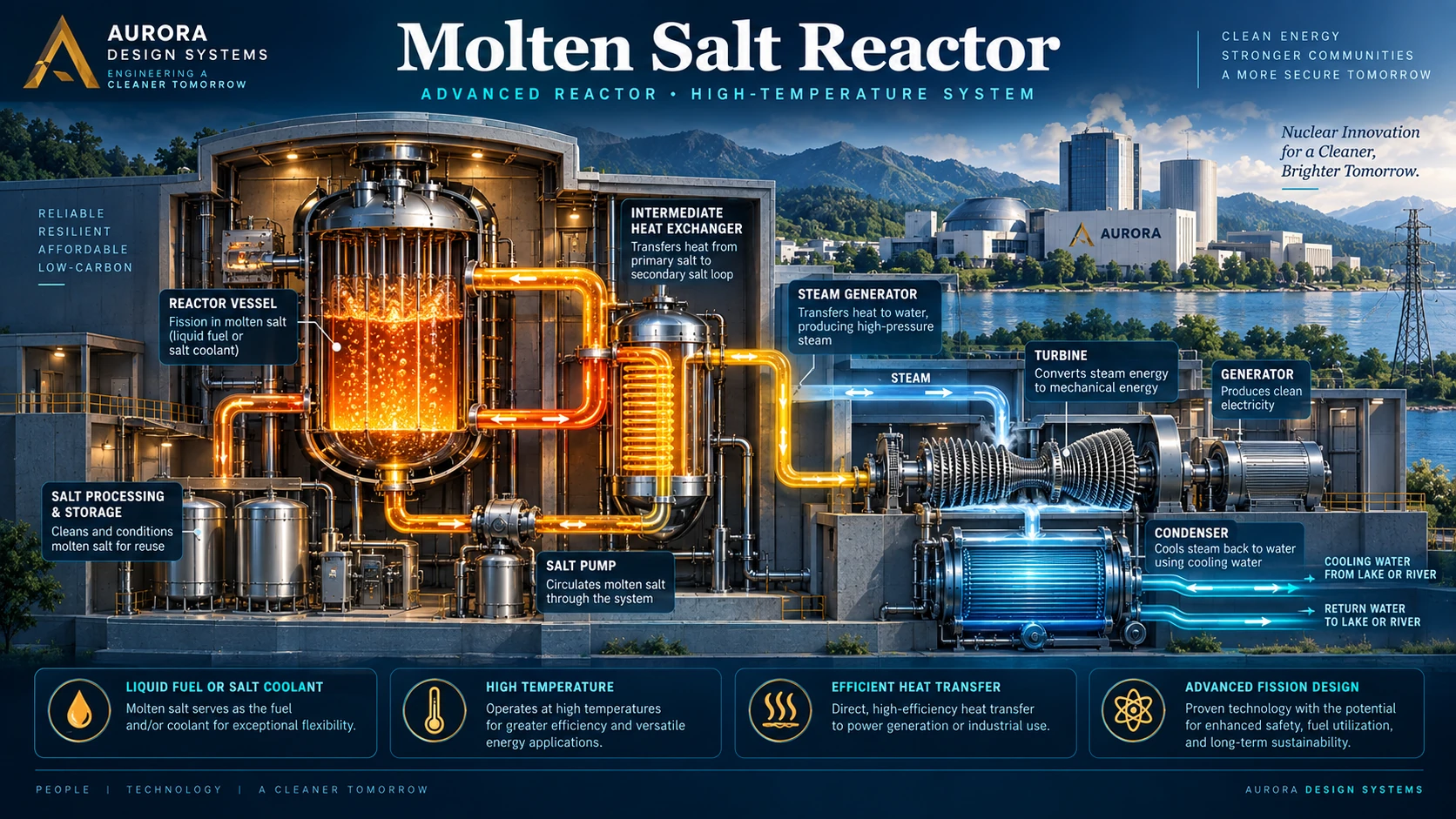
MSR
Molten Salt Reactor
High-temperature salt systems in which molten salt carries heat and may also contain fuel.
Open technology →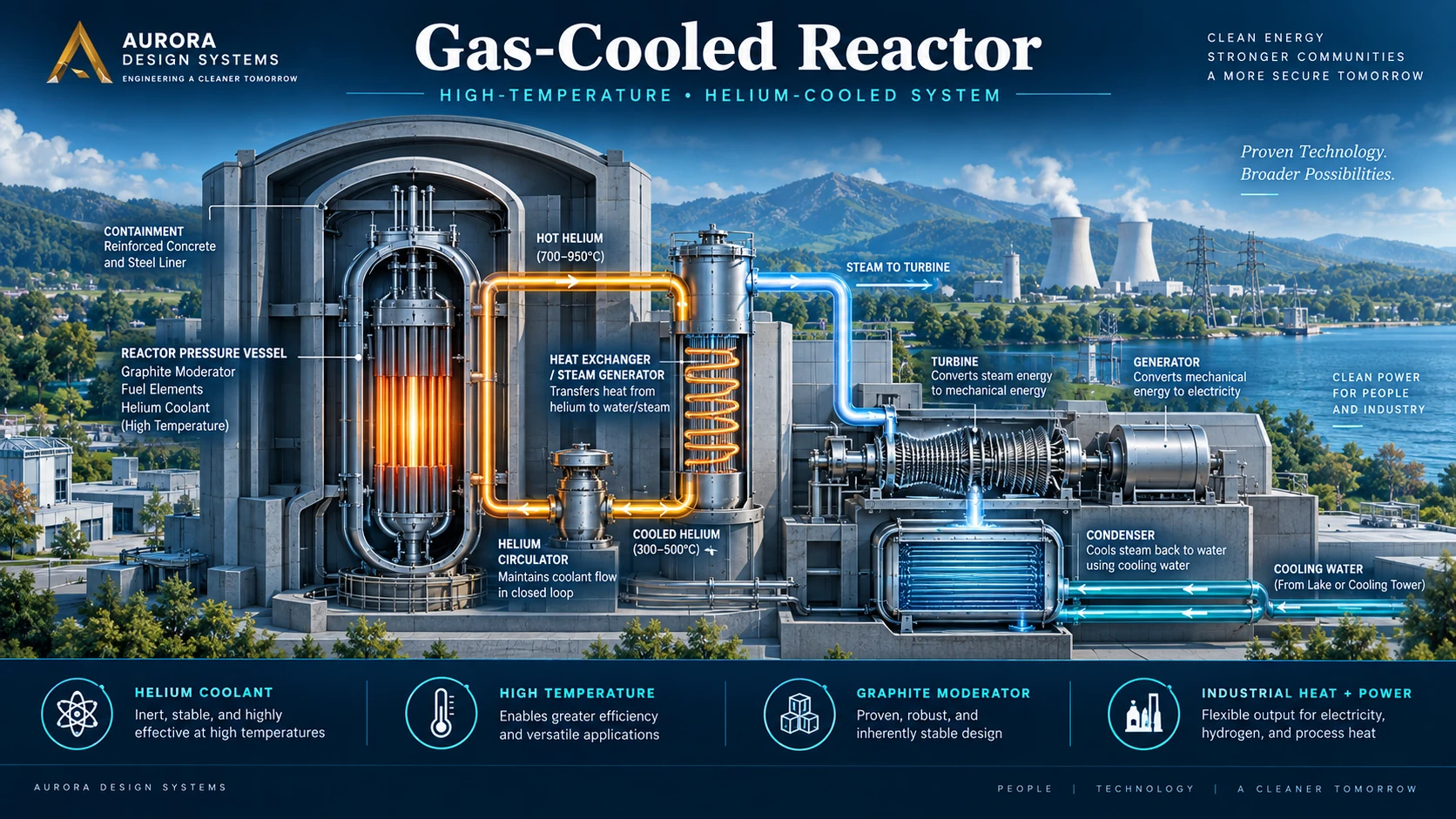
GCR / AGR
Gas-Cooled Reactor
Gas-cooled family spanning established carbon-dioxide systems and advanced helium concepts.
Open technology →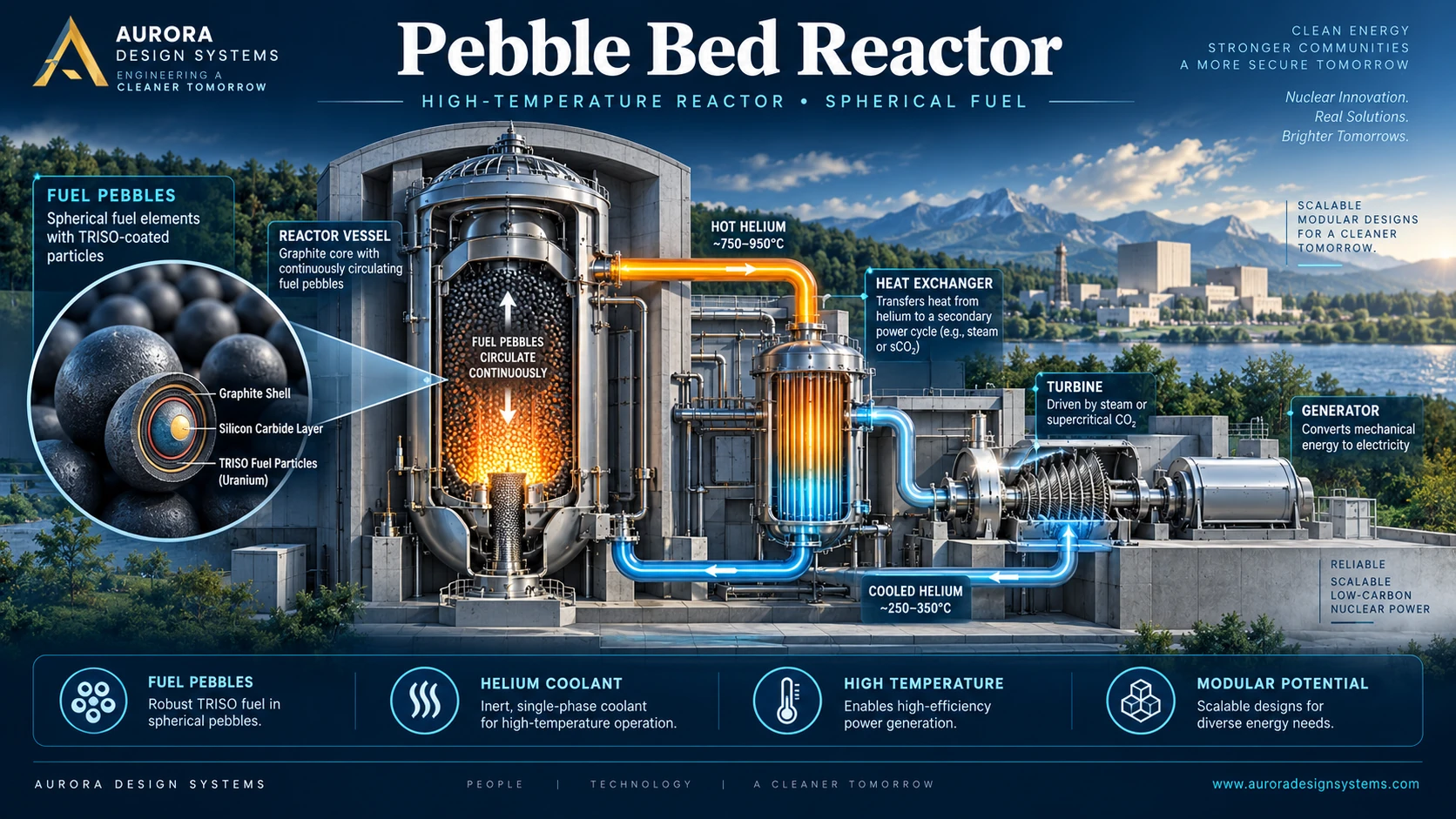
HTGR
Pebble-Bed Reactor
High-temperature gas-cooled architecture using spherical TRISO-bearing fuel elements.
Open technology →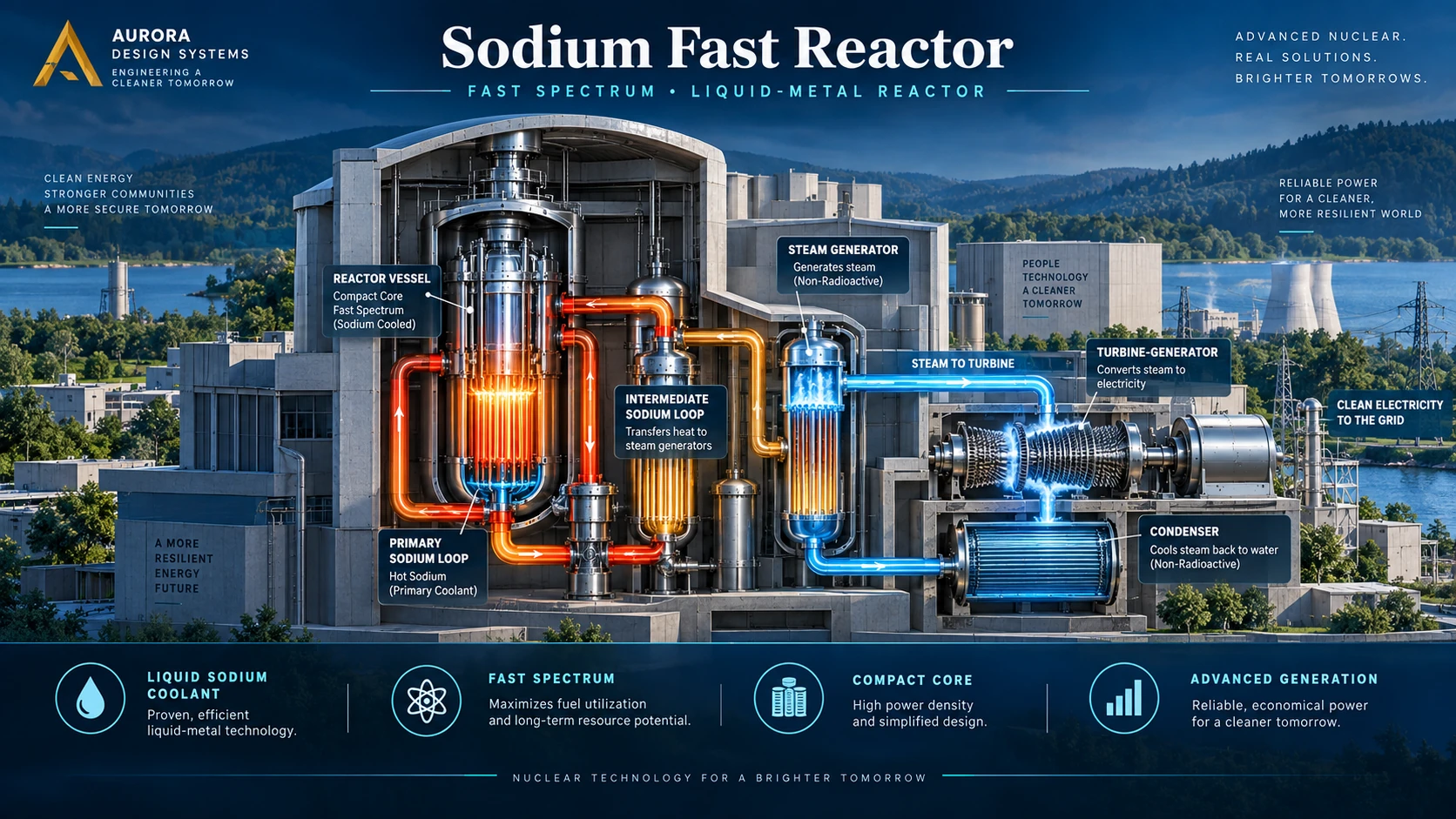
SFR
Sodium-Cooled Fast Reactor
Fast-spectrum reactor family using liquid sodium for primary heat transport.
Open technology →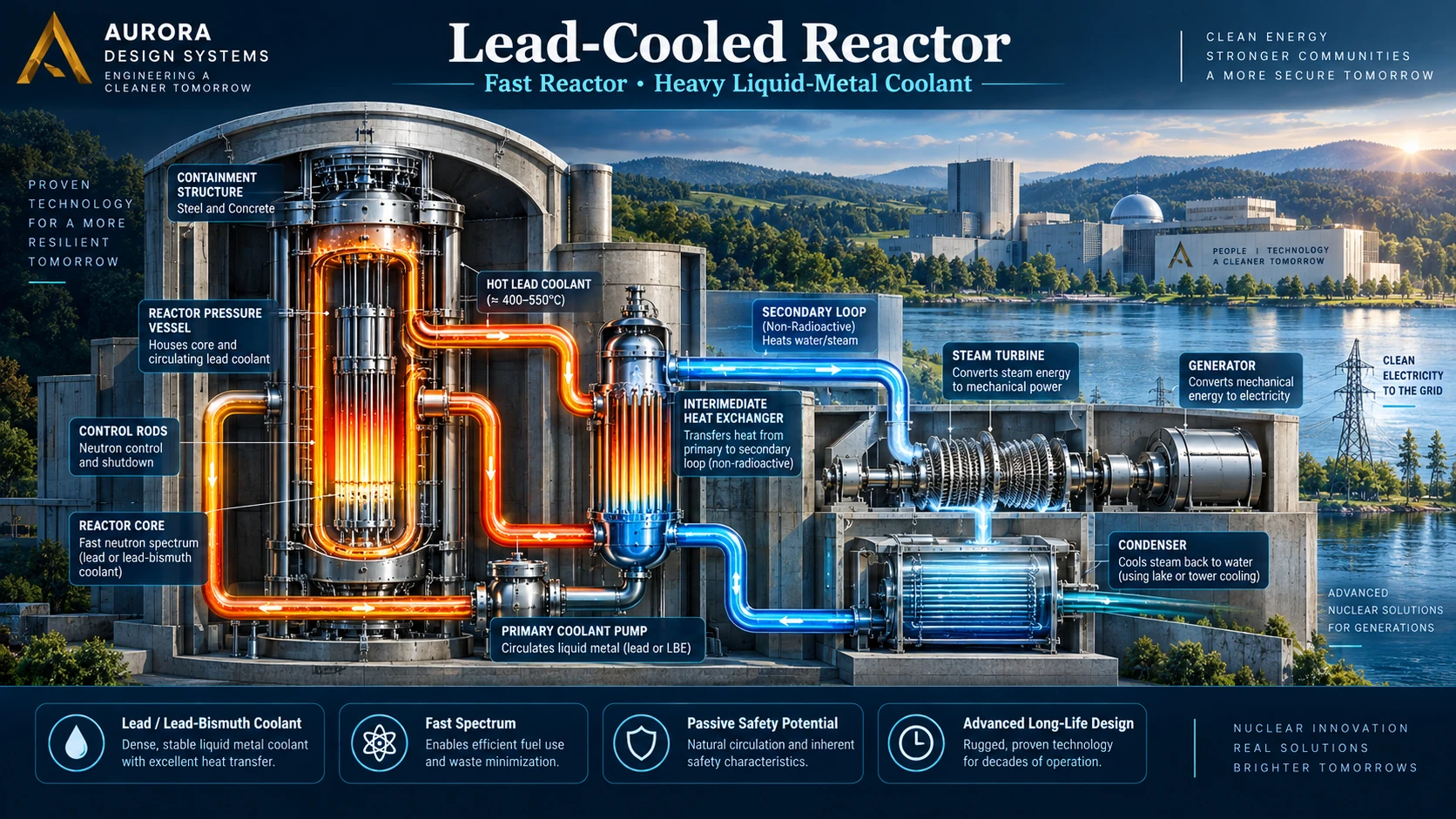
LFR
Lead-Cooled Fast Reactor
Fast-spectrum reactor concepts using lead or lead-bismuth coolant.
Open technology →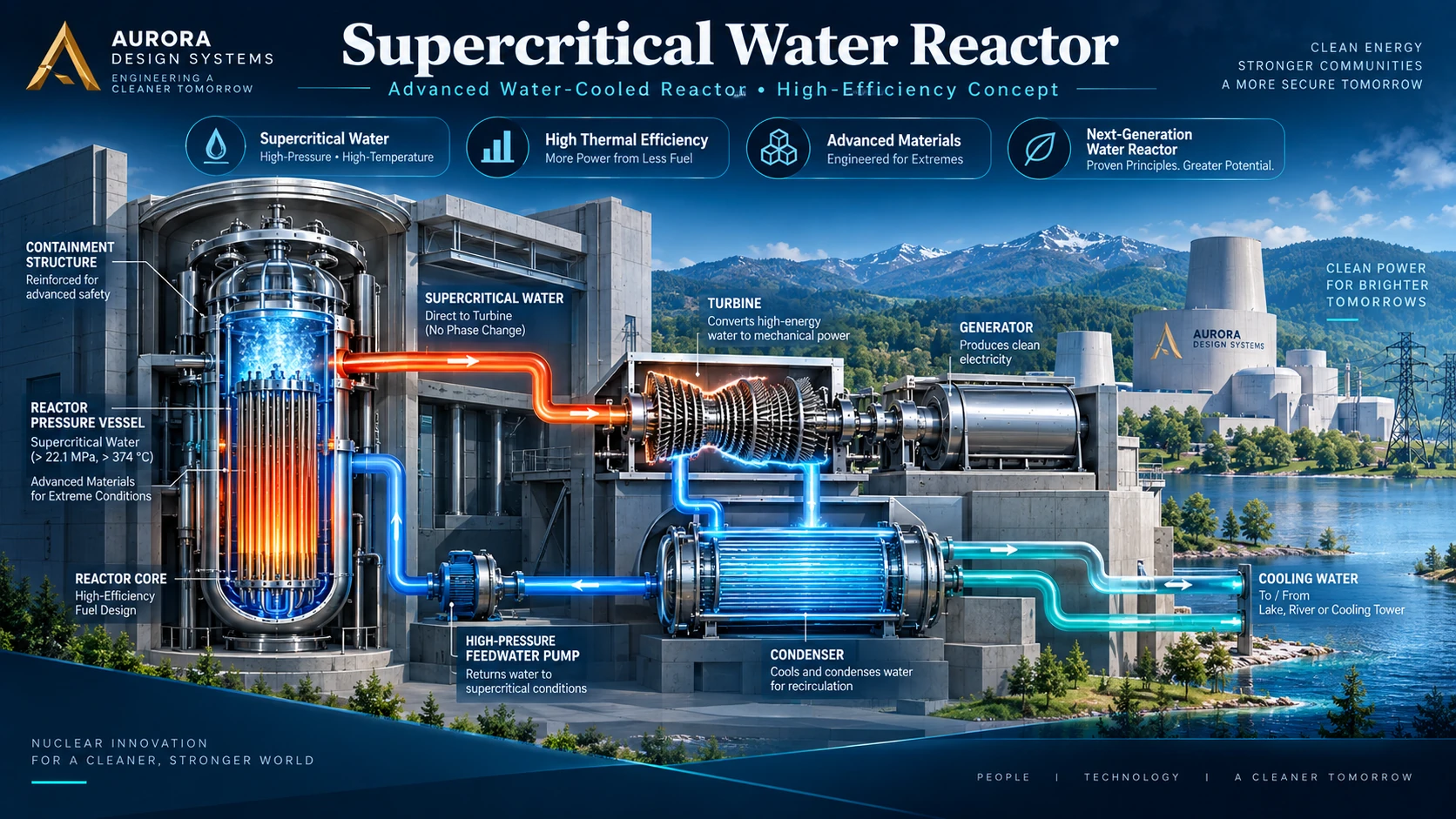
SCWR
Supercritical Water Reactor
Advanced water-cooled concept studying high-efficiency supercritical cycles.
Open technology →Phase 5 · Lifecycle + Public Trust
Fission safety is a lifecycle system, not one component
Established and advanced fission families face different hazards and maturity levels, but all require a traceable safety case, an applicable licensing route, material and fuel accountability, environmental review, emergency preparedness, waste planning, and decommissioning.
Parts 50, 52, and 53 can support U.S. advanced-reactor applications; microreactor Part 57 remains proposed.
Advanced fuel forms may change storage and disposal challenges; they do not make radioactive material or end-of-life obligations disappear.
Phase 7 • Release Certification & Production Integration
Release certification
This page has passed the Reactor Programs Phase 7 branch-level release review for internal routing, asset references, canonical metadata, maturity and terminology controls, source-authority links, accessibility essentials, responsive markup, and release traceability.
Production boundary: this certification covers the Reactor Programs branch package. Parent-site shared CSS, navigation, search, logo, and global assets remain controlled by the Aurora website root and must already exist in production. Live deployment is not implied until the package is uploaded and the production URLs are rechecked.